


In any environment, gloves are an indispensable piece of personal protective equipment. Nitrile gloves are renowned for their excellent chemical resistance and ability to protect the hands from harmful substances, making them highly impactful in fields such as healthcare, chemical handling, laboratories, and testing. In this article, we will explore nitrile gloves and their special chemical resistance properties in detail, ensuring you gain a thorough understanding of these gloves.

What are Nitrile Gloves?
ニトリル手袋 are made from nitrile rubber, which is polymerized from acrylonitrile and butadiene. The production process involves adding vulcanizing agents, stabilizers, accelerators, and pigments, followed by molding, vulcanization, washing, and drying steps. After these processes, the gloves are demolded to form their final shape.
Understanding Chemical Resistance
In the application of gloves, chemical resistance primarily refers to permeability resistance, corrosion resistance, and dissolution resistance, which quickly assess whether the gloves effectively protect the hands from harmful chemicals.
Permeability resistance refers to whether chemicals can penetrate the glove material at the molecular level. The lower the permeability, the better the glove’s protection after prolonged exposure.
Corrosion resistance refers to the physical or chemical changes that occur in the glove material upon contact with chemicals, which can lead to material degradation, corrosion, and cracking. The higher the corrosion resistance, the better the chemical protection.
Dissolution resistance indicates whether the glove material will dissolve or soften upon contact with certain solvents and organic chemicals. A good chemical-resistant glove will maintain its strength and structure even when exposed to such chemicals.

Specific Chemical Resistance of Nitrile Gloves
Nitrile gloves are famous for their excellent chemical resistance and are widely used in various chemical work environments. Understanding their resistance to specific chemicals is essential. Below is an overview of nitrile gloves’ resistance to common chemicals:
Acidic Chemicals
Nitrile gloves offer excellent resistance to moderate acids like sulfuric acid, hydrochloric acid, acetic acid, and nitric acid. However, their resistance to strong acids and bases is relatively poor, and prolonged exposure may lead to glove penetration or damage. For handling strong acids and bases, specialized chemical gloves are recommended.
Alkaline Chemicals
Similar to acids, nitrile gloves provide excellent resistance to most weak alkalis and medium-strength alkalis like sodium hydroxide and potassium hydroxide. They effectively prevent the penetration of these chemicals, protecting the hands from corrosion. However, for strong alkalis, it is advisable to use specialized gloves.
Solvents
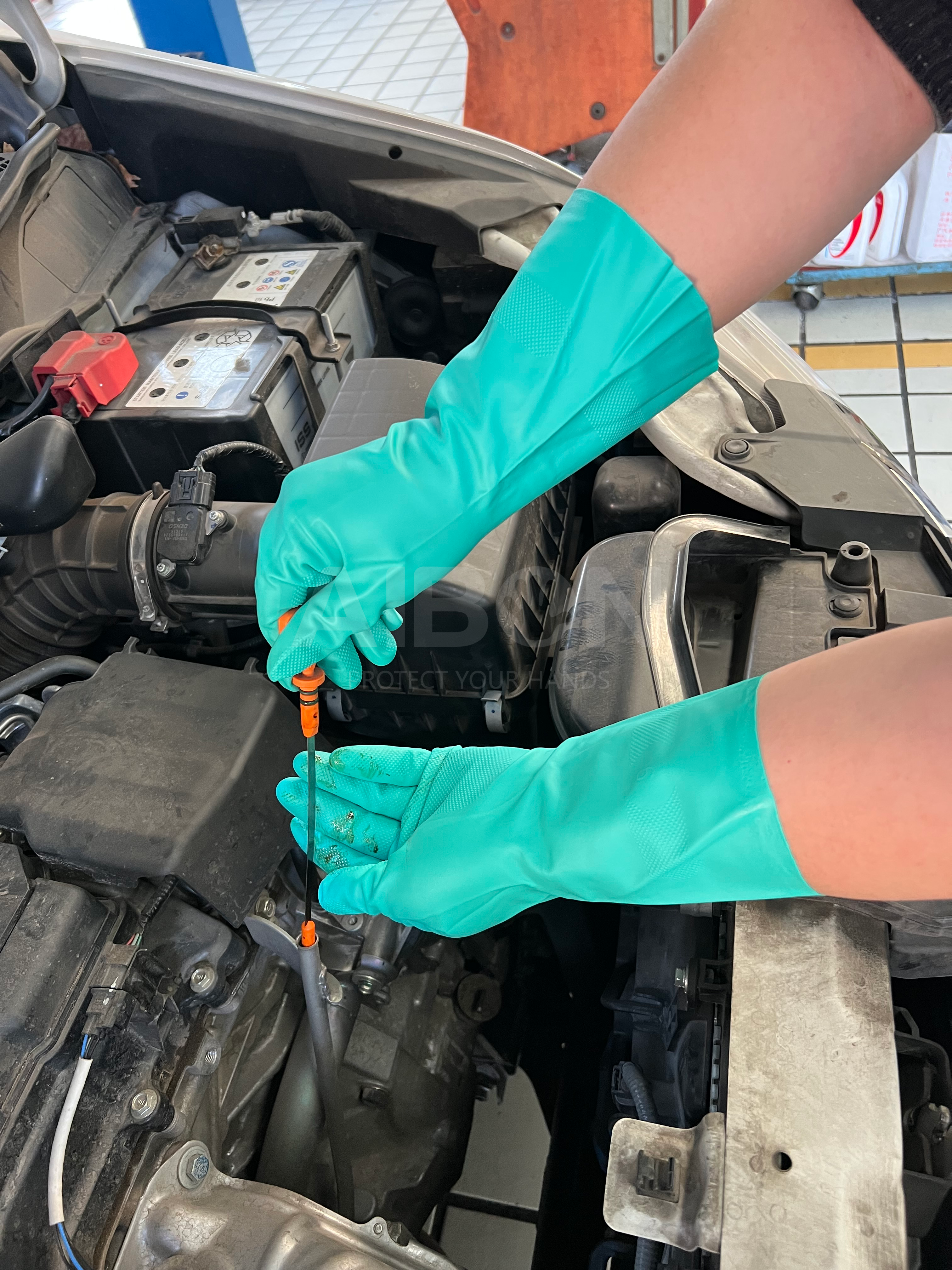
Nitrile gloves have strong resistance to common solvents like gasoline, diesel, acetone, toluene, and ethyl acetate. However, long-term exposure to these solvents can impact the glove’s structure, leading to a loss of protective function.
Greases and Oils
Nitrile gloves have excellent resistance to mineral oils, vegetable oils, lubricants, and other oil-based chemicals. They effectively prevent grease penetration and maintain the glove’s physical properties.
Gases and Vapors
While nitrile gloves offer excellent protection against liquid chemicals, they are less effective against volatile gases like chlorine and ammonia, which can penetrate through the tiny pores in the gloves. For such chemicals, additional protective measures are recommended.
Biological Agents and Body Fluids
Nitrile gloves provide excellent protection against bacteria, viruses, blood, body fluids, saliva, and other biological agents, effectively preventing the transmission of microorganisms through the hands.

Best Practices for Using Nitrile Gloves in Chemical Environments
Choose the Right Nitrile Gloves
First, assess the potential hazards in your work environment and select the appropriate nitrile gloves that provide complete protection for your specific needs. Choose the glove thickness and size that best fits your requirements. Generally, thicker gloves offer stronger protection, but they may reduce flexibility and comfort. Always check if the gloves meet relevant protection standards and certifications for chemical resistance.
Inspect the Integrity of Nitrile Gloves Before Use
Before using nitrile gloves, check for any holes, cracks, or defects. If any issues are found, replace the gloves immediately. Avoid overstretching or tearing the gloves during wear.
Proper Wear of Nitrile Gloves
Before wearing gloves, wash and dry your hands thoroughly to prevent water or contaminants from getting inside the gloves, which could affect their protective performance. Ensure that the glove cuffs fit snugly around your wrists and avoid contact with your face, eyes, or other body parts to minimize the risk of cross-contamination.
Replacement and Disposal of Nitrile Gloves
Nitrile gloves should be replaced regularly to avoid performance degradation. After use, dispose of the gloves according to local environmental safety regulations. Never discard gloves carelessly, as this can impact both the environment and public health.
結論
In summary, nitrile gloves are the preferred choice for many due to their exceptional chemical resistance. When selecting nitrile gloves, it’s crucial to consider the types and concentrations of chemicals they will come into contact with, ensuring optimal protection. For more information or inquiries about nitrile gloves, feel free to お問い合わせ! Aibon will be happy to provide further assistance!
手袋のサイズの測り方 – 出典:AIBON
ラテックス手袋– 出典:AIBON
安全手袋– 出典:AIBON
作業用手袋– 出典:AIBON
 English
 Spanish
 Hindi
 Portuguese
 German
 Russian
 French
 Korean
 Japanese