


Whether in daily household cleaning or in food-related environments such as the catering industry, whether dishwashing gloves should be worn is often a question that most people subconsciously think about. Please rest assured, in the following content we will comprehensively answer this question for you and help you clearly understand all the details.
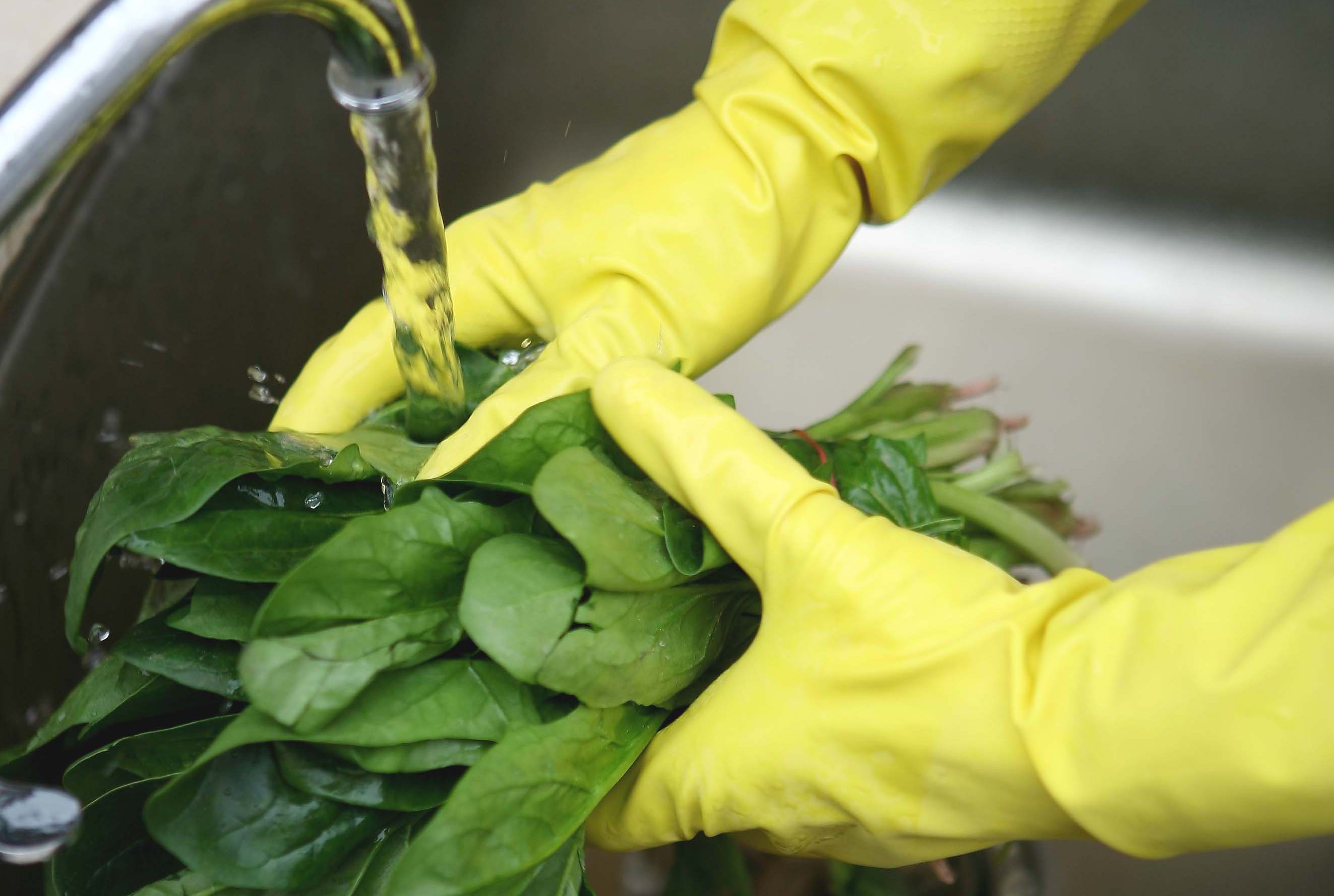
Should You Wear Dishwashing Gloves?
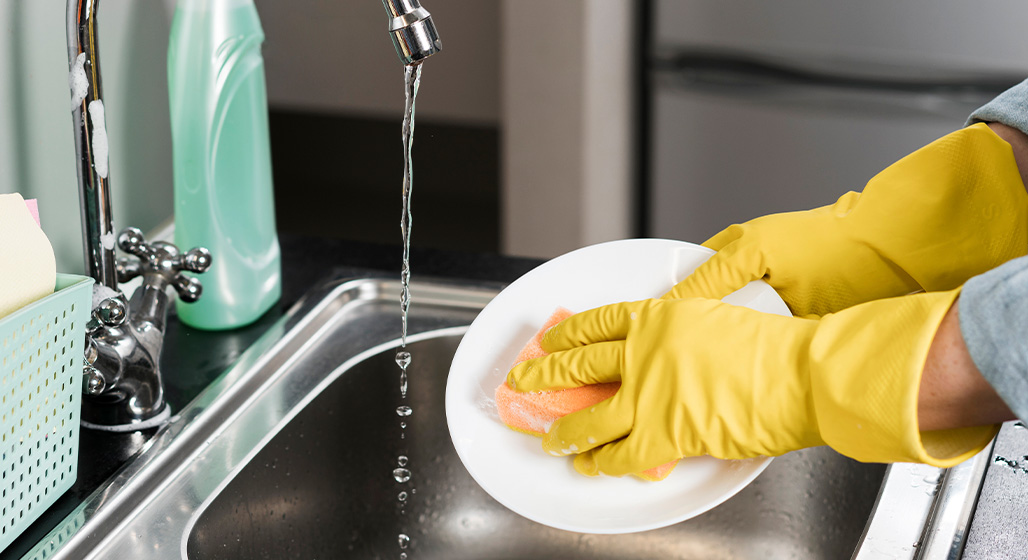
In most cases, it is still recommended to wear dishwashing gloves, because no matter the environment, dishwashing gloves play a vital role in protecting hands, improving hygiene and food safety, and enhancing work efficiency.

Why Is It Recommended to Wear Dishwashing Gloves?
Protect Hand Skin
Disinfectants, dishwashing liquids, cleaning agents, and other chemical solvents can remove stains and sterilize effectively, but at the same time, they also strip away the natural oils from the skin on your hands. Long-term exposure and use can lead to dry, rough, and peeling skin, while also causing irritation such as itching, rashes, redness, and swelling, especially for people with sensitive skin.
Wearing dishwashing gloves can effectively reduce the damage caused by chemicals to your hands, ensure hand safety, prevent unnecessary accidents and trouble, and reduce the risk of skin damage, especially during winter or in environments where frequent dishwashing weakens the skin barrier.
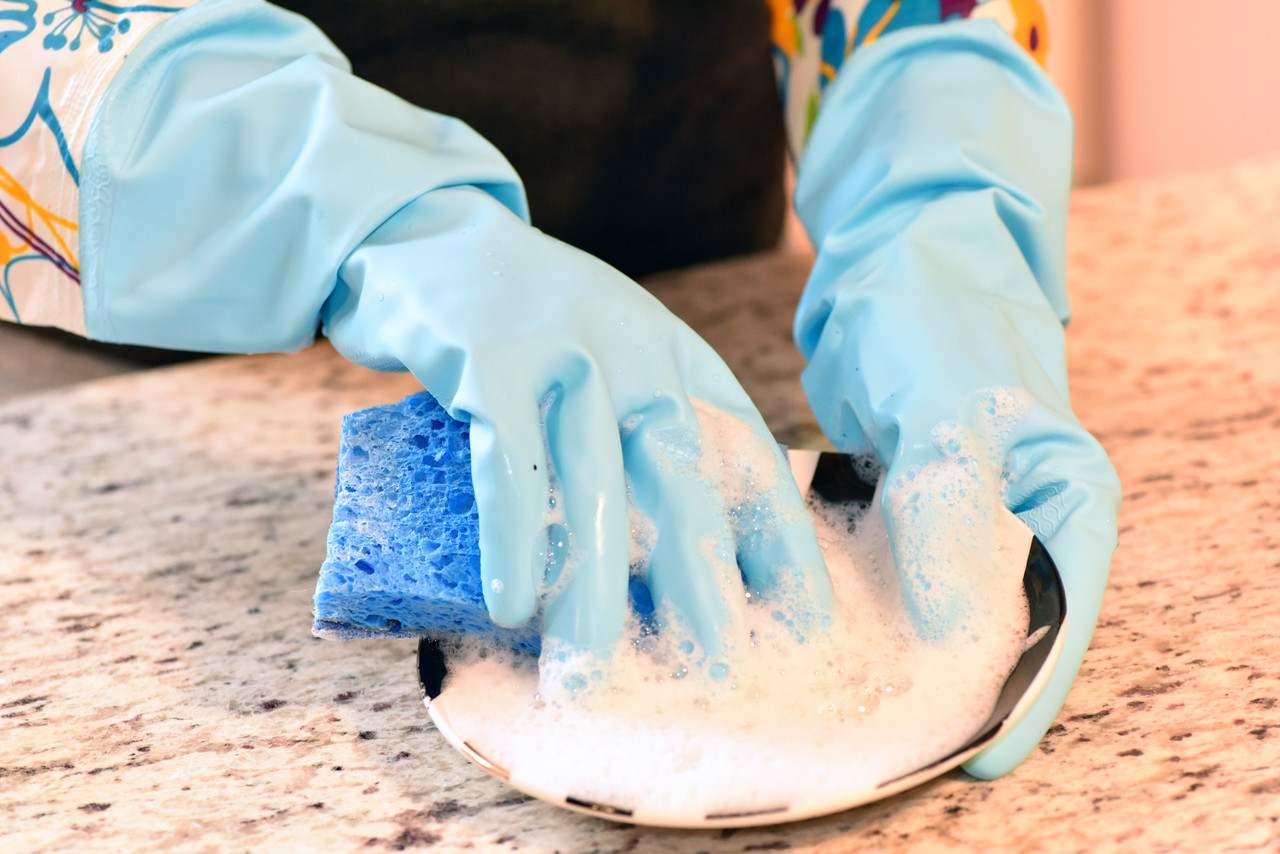
Improve Hygiene and Food Safety
Wearing dishwashing gloves that meet international food contact safety standards can effectively prevent the growth of bacteria, separate hands from food, reduce the risk of cross-contamination, and ensure food safety and hygiene.
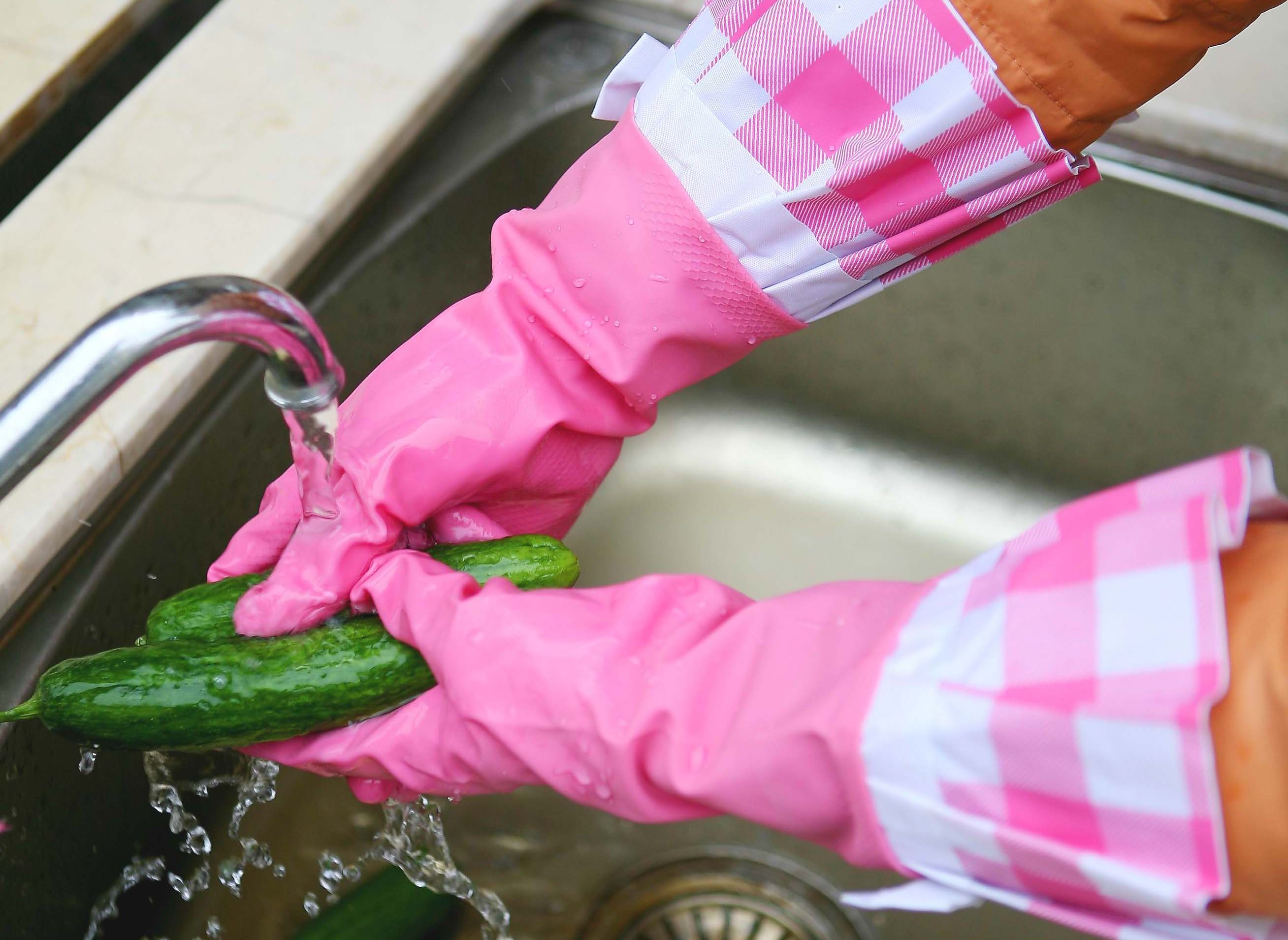
Prevent Burns from High Temperatures
At present, most businesses on the market are accustomed to using high temperatures for sterilization. To avoid burns, skin redness, moisture loss, and sensitivity, dishwashing gloves should be worn to effectively resist high-temperature damage and improve comfort during use.
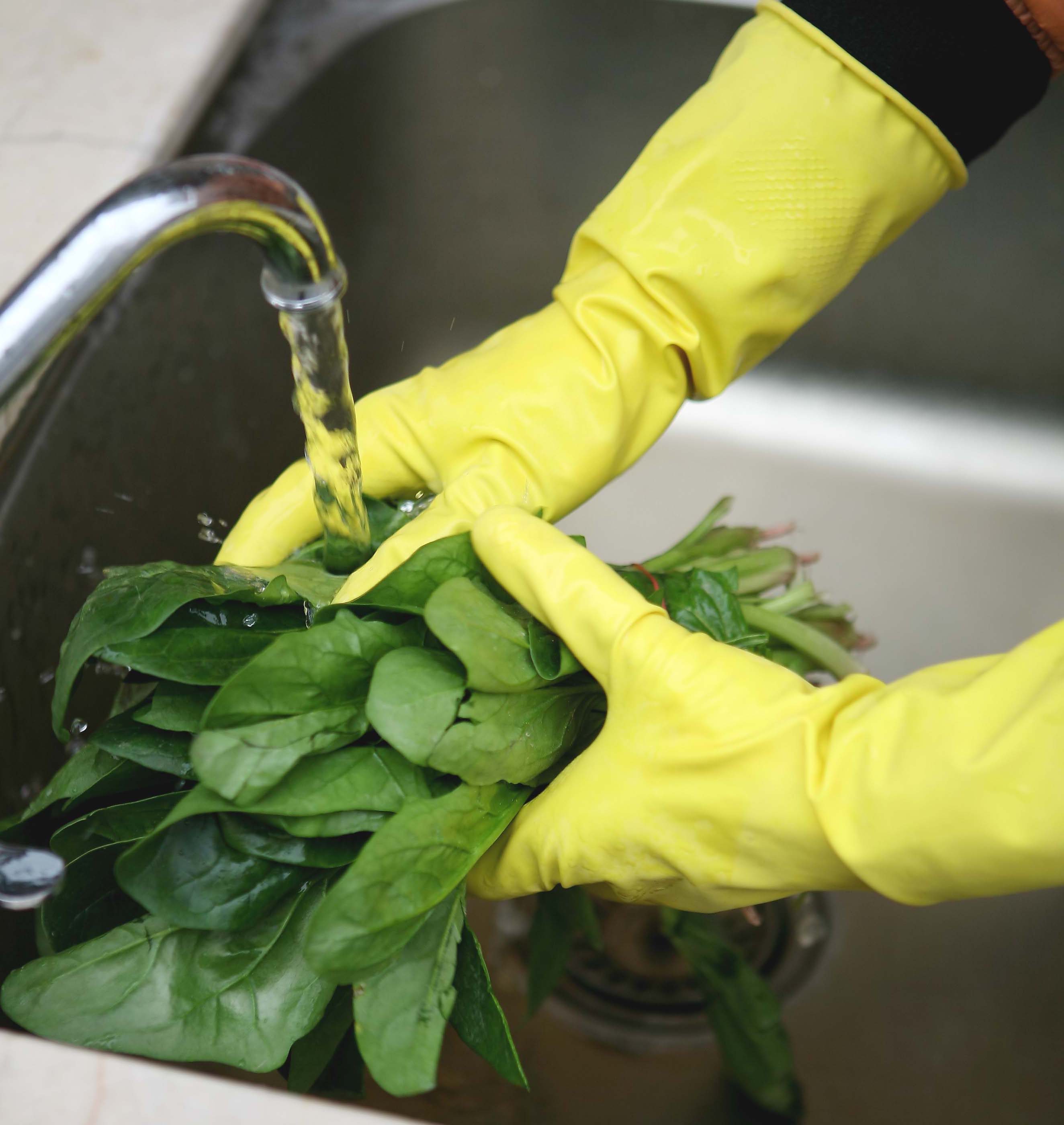
Prevent Grease and Odor Residue
Since prolonged contact with food is often required, wearing dishwashing gloves can effectively prevent grease from sticking to the hands and reduce odor residue, avoiding discomfort caused by long-term cleaning and improving work efficiency.
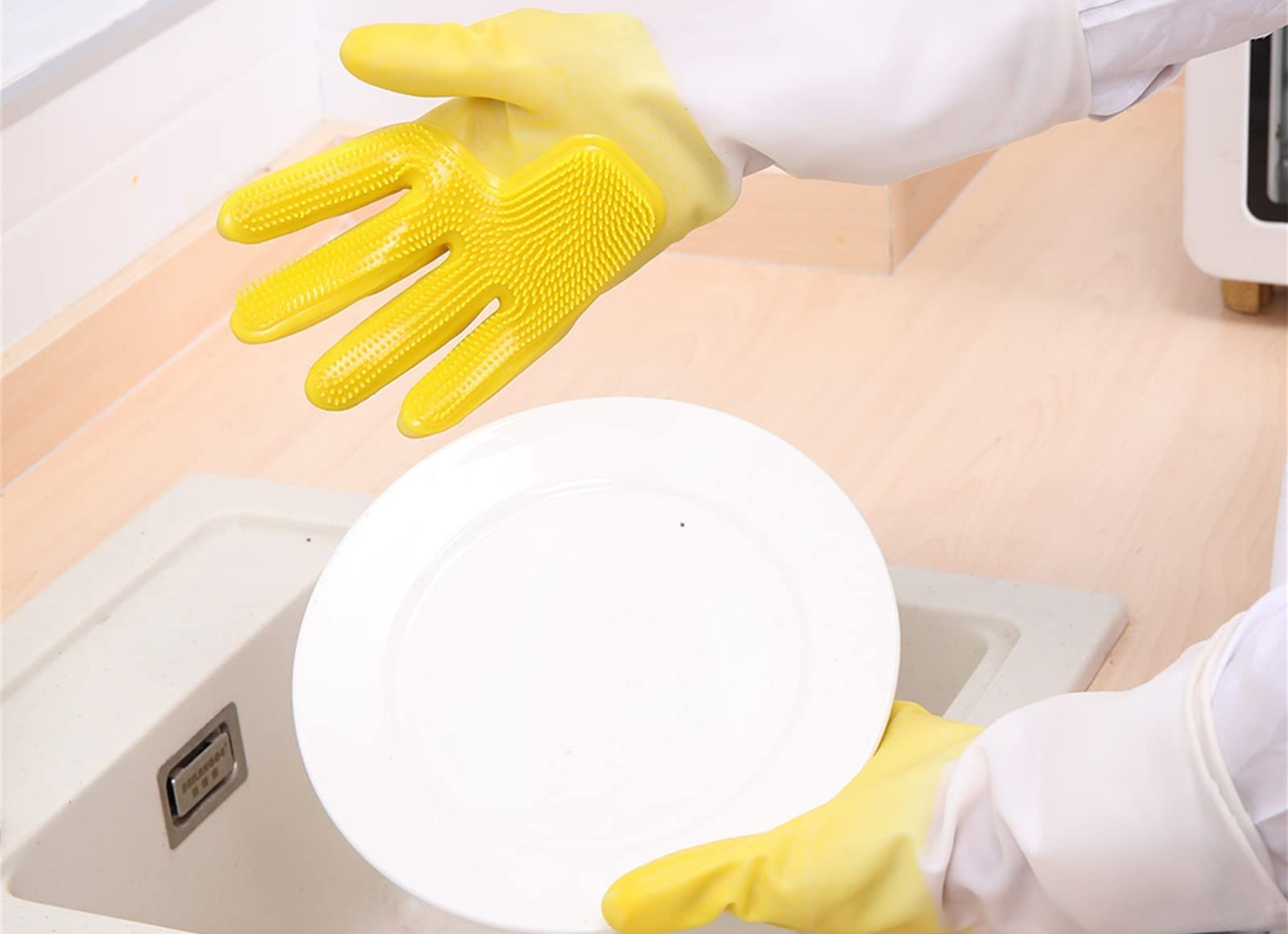
What Types of Dishwashing Gloves Are There?
Latex Dishwashing Gloves
Latex dishwashing gloves are made from the sap extracted from Brazilian rubber trees. After a series of refined processing procedures such as filtering, adding chemical additives, coating glove molds, heat curing, washing, and rinsing, the final product is formed as a combination of natural latex and synthetic materials.
Latex dishwashing gloves have a dense structure that can effectively block water, grease, cleaning agents, and disinfectants from penetrating the inside of the gloves. In addition, they are highly elastic and fit closely to the hands, making delicate operations easier. They also feature fish-scale and diamond-textured patterns combined with anti-slip particles and structures, ensuring a stable grip and excellent slip resistance even in wet and greasy environments.

Nitrile Dishwashing Gloves
Nitrile dishwashing gloves are mainly produced by polymerizing acrylonitrile and butadiene into nitrile rubber through emulsion polymerization. Vulcanizing agents, stabilizers, accelerators, pigments, and other additives are then added. After hand mold shaping, vulcanization, washing, drying, and final demolding, the finished gloves are produced.
Nitrile dishwashing gloves offer excellent chemical resistance and oil resistance. They can effectively resist damage caused by acids, alkalis, grease, oil, disinfectants, cleaning agents, and other chemical solvents. They are also not easily damaged, highly wear-resistant, and durable, effectively reducing the frequency of glove replacement. In addition, nitrile gloves do not contain natural latex proteins and therefore will not cause latex allergies, making them ideal for people with latex sensitivities.

How to Choose the Most Suitable Cleaning Gloves for You?
First, you need to choose suitable gloves according to your working environment and the hidden hazards within it. Next, consider whether you are allergic to certain glove materials and make sure to choose carefully. Then select the appropriate glove size according to your needs. It is best to test samples on-site or request samples for trial use. Finally, consider basic purchasing factors such as certifications and comfort.
結論
Should you wear dishwashing gloves? Absolutely. Dishwashing gloves are essential basic hand protection products that can protect your hands from harm during daily household activities. Believe me, you need them. If you are interested in dishwashing gloves or would like to purchase them, please お問い合わせ as soon as possible! Aibon will provide full-service support throughout the process, allowing you to focus your time and energy on the things that truly matter.
手袋のサイズの測り方 – 出典:AIBON
ラテックス手袋– 出典:AIBON
安全手袋– 出典:AIBON
作業用手袋– 出典:AIBON
よくある質問
輸出入に関する規制書類の作成について、サポートは行っていますか?
はい。大規模な卸売業者やブランドオーナーの皆様には、各国・各地域の通関要件に合わせて必要な書類一式をご用意し、商品が安全かつ円滑に配送されるよう全面的にサポートいたします。.
オーダーメイドの作業用手袋を注文してから、発送までどのくらいかかりますか?
カスタマイズされた作業用手袋をまとめてご注文いただく際は、配送先情報の入力が必要となります。この情報に基づいて、商品の配送時期が決まります。.
お届け予定日:
航空速達:10営業日。.
エコノミー航空貨物:10営業日。.
鉄道輸送:2ヶ月。.
海上輸送:4~5週間。.
作業用手袋のご注文に関する具体的な詳細については、弊社カスタマーサービス担当者まで詳しくご連絡ください。.
品質に問題がある場合、商品を返品することはできますか?
品質上の問題が見つかった場合は、弊社アフターサービスチームまでご連絡ください。お客様からご提供いただいた具体的な内容に基づき状況を評価し、それに応じて適切な対応を決定いたします。.
注文の現在の状況を確認するにはどうすればよいですか?
オーダーメイドの手袋をご注文いただくと、専任のカスタマーサービス担当者が割り当てられ、ご対応いたします。製造の進捗状況についてのお問い合わせは、いつでも担当者に連絡していただけます。.
 English
 Spanish
 Hindi
 Portuguese
 German
 Russian
 French
 Korean
 Japanese