


No matter the environment, gloves are an indispensable piece of personal protective equipment. This is especially true during cooking, where hand hazards are multiplied, making it essential to wear protective gloves. However, the market is flooded with countless types of cooking gloves, each with its own characteristics. So, how can you correctly choose the cooking gloves that suit you? Next, we will provide a comprehensive introduction to the common types of cooking gloves.
Common Types of Cooking Gloves
ラテックス手袋
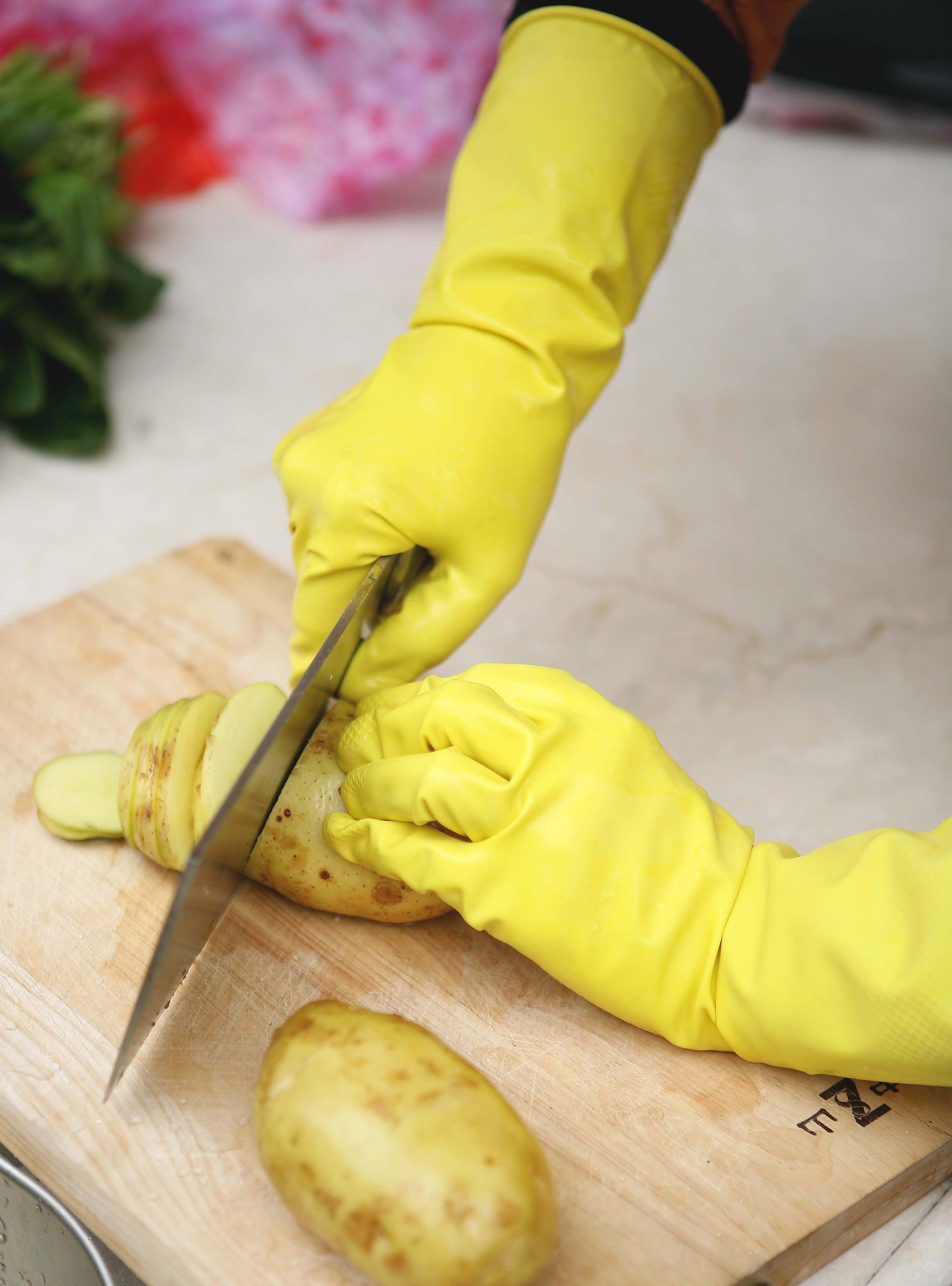
ラテックス手袋 are made from the sap extracted from Brazilian rubber trees. After a series of fine processes such as filtration and the addition of chemical additives, the sap is coated onto glove molds, heated to cure, washed, and rinsed, ultimately forming the final product. Latex gloves are a combination of natural latex and synthetic materials.
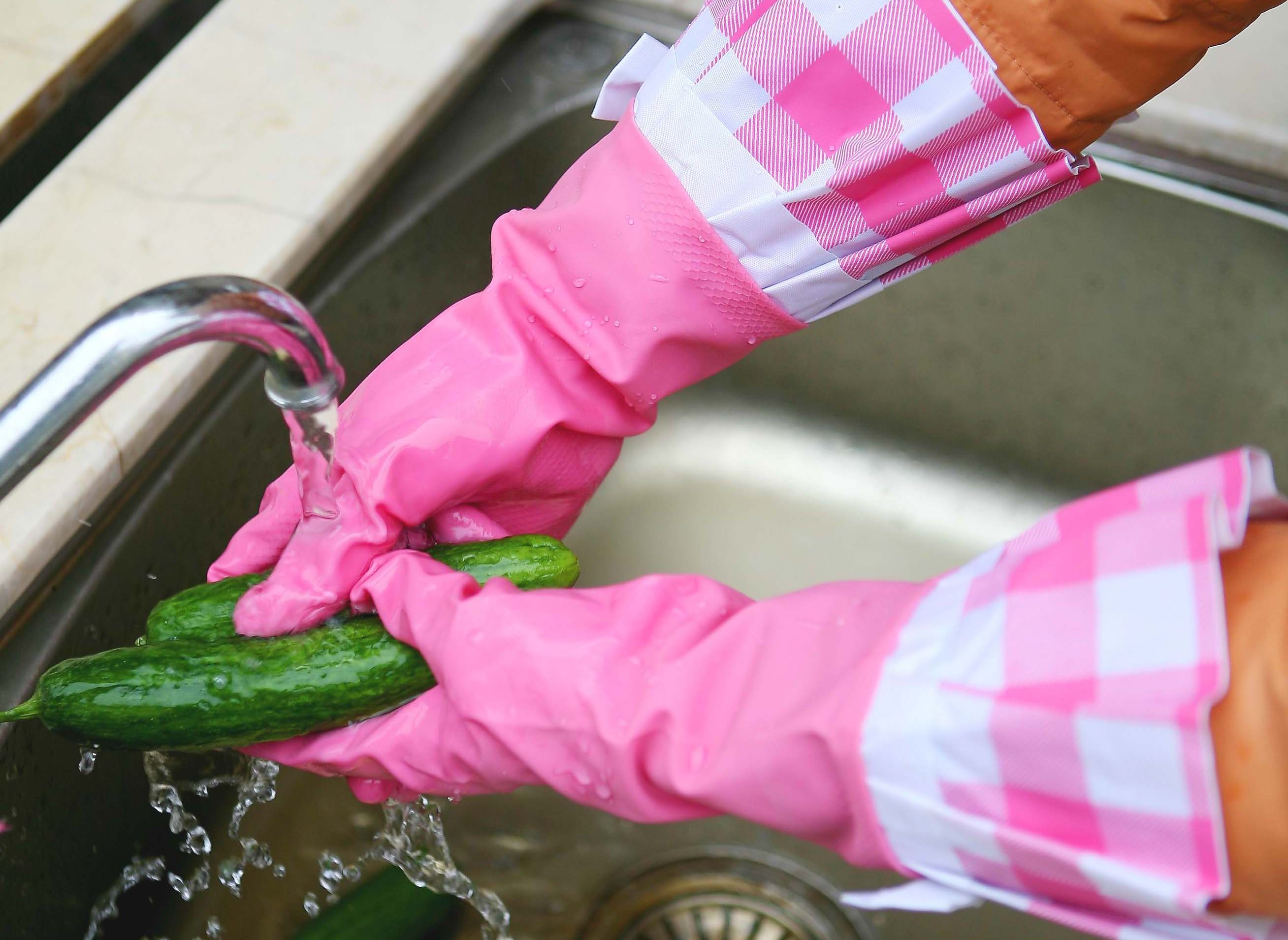
Latex gloves feature excellent elasticity and water resistance, allowing them to fit snugly on the hands while effectively preventing moisture from penetrating inside. This forms a protective barrier between the hands and objects, shielding the hands from irritation, reducing the adherence of food odors to the skin, and preventing contamination from bacteria, sweat, and skin particles. This lowers the risk of cross-contamination. Even in wet or greasy environments, latex gloves provide a secure grip, improving work efficiency and ensuring ease and confidence during cooking.
ニトリル手袋
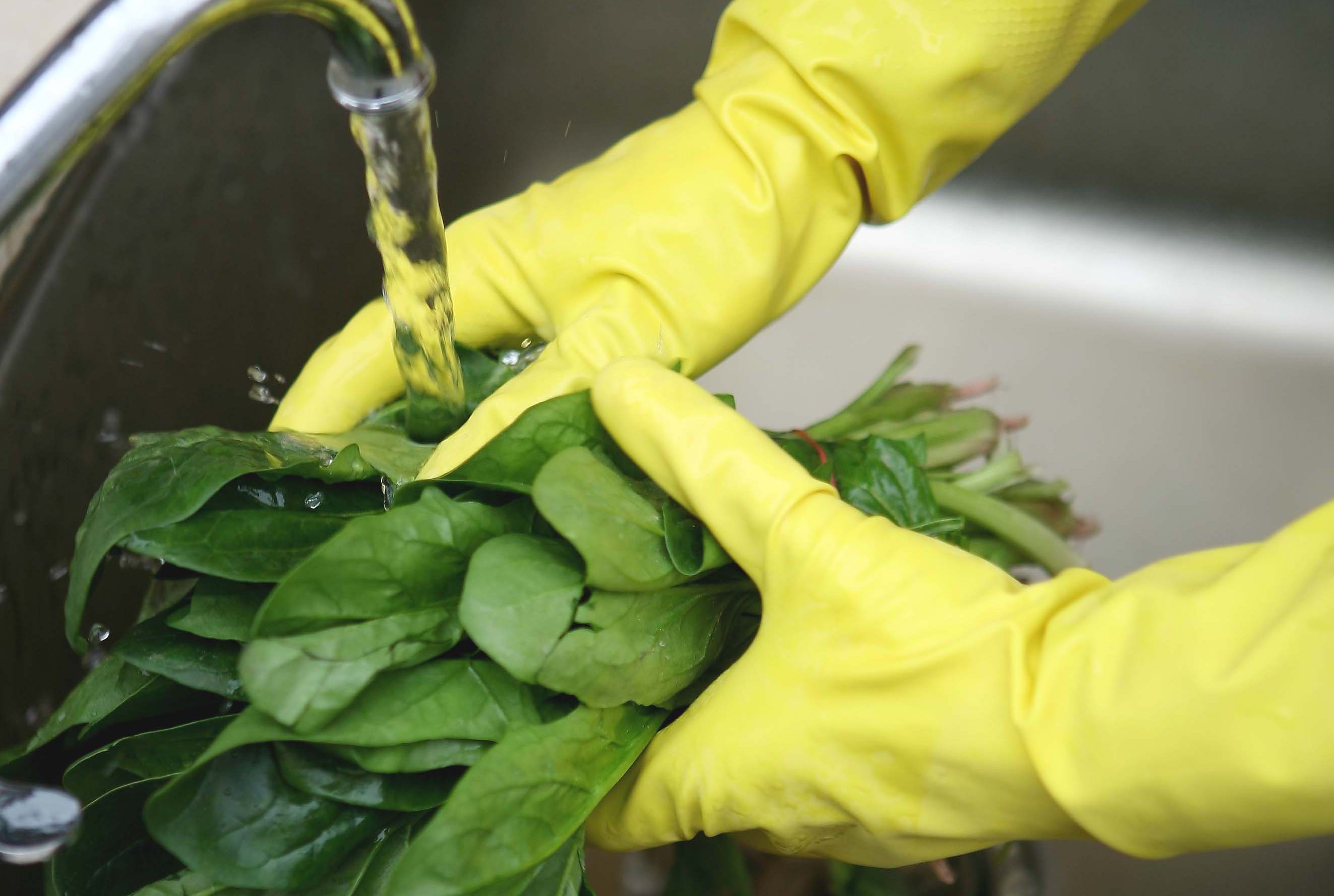
ニトリル手袋 are mainly made by polymerizing acrylonitrile and butadiene into nitrile rubber, then adding vulcanizing agents, stabilizers, accelerators, pigments, and other additives. The mixture is molded, vulcanized, washed, and dried, eventually forming the final glove after demolding.
Nitrile gloves offer outstanding chemical and oil resistance, effectively protecting hands from acids, alkalis, low-corrosive chemicals, detergents, disinfectants, bleach, and oils. They also provide wear and tear resistance and anti-tear strength, allowing for long-term use. Nitrile gloves protect the skin from irritation and oil splashes, making them suitable for handling acidic or alkaline condiments, foods, and high-frequency kitchen tasks.
使い捨て手袋
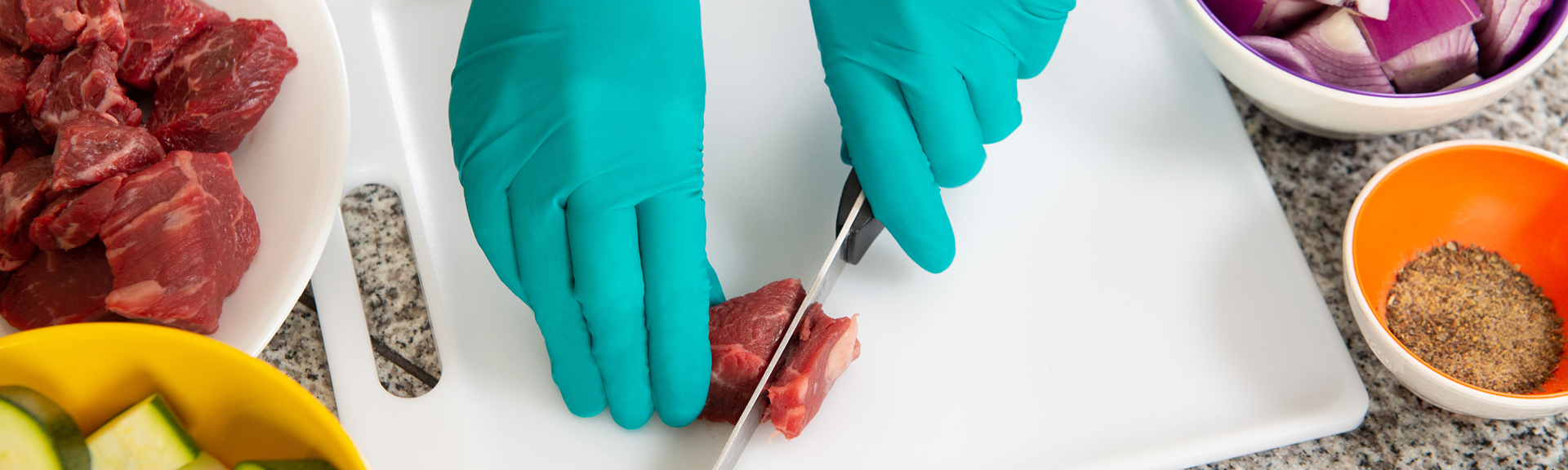
使い捨て手袋 refer to personal protective equipment designed for single-use and disposal after use. They effectively isolate the hands from the external environment, ensuring hygiene and contamination control.
Disposable gloves reduce direct contact between hands and contaminants such as microorganisms, bacteria, viruses, and skin particles, lowering the risk of cross-contamination. After use, they require no washing or disinfection and can be quickly replaced, conveniently improving overall work efficiency and providing an unprecedented experience.

ポリエチレン手袋
ポリエチレン製手袋 are thin, disposable gloves made from polyethylene resin through plastic processing methods such as stamping and heat sealing.
Their lightweight design allows for easy donning and removal while providing flexibility and reducing direct contact with contaminants, ensuring food safety and hygiene. Additionally, due to their low production cost, polyethylene gloves offer good cost-effectiveness, making them suitable for bulk purchasing.
Heat-Resistant Gloves
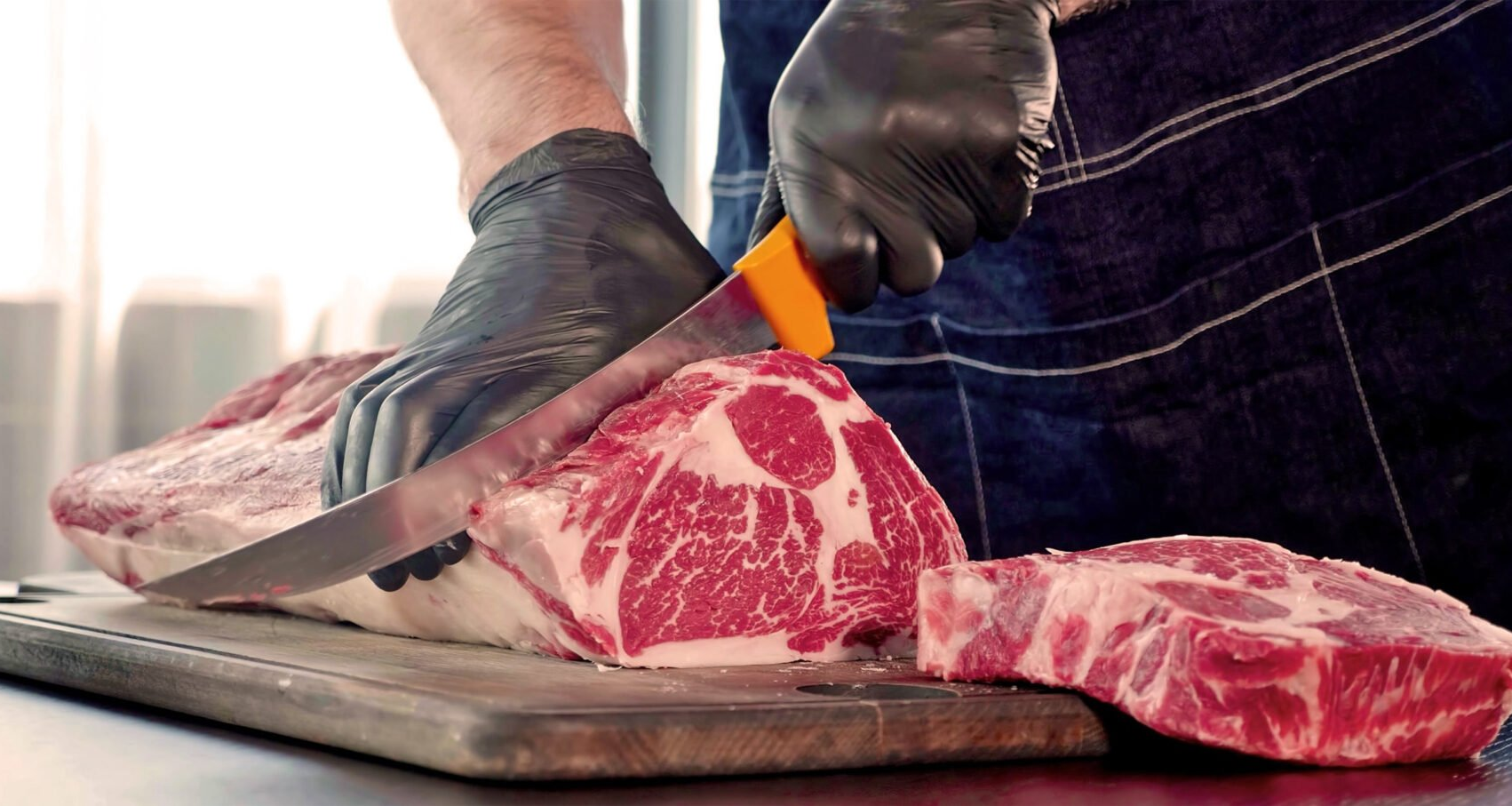
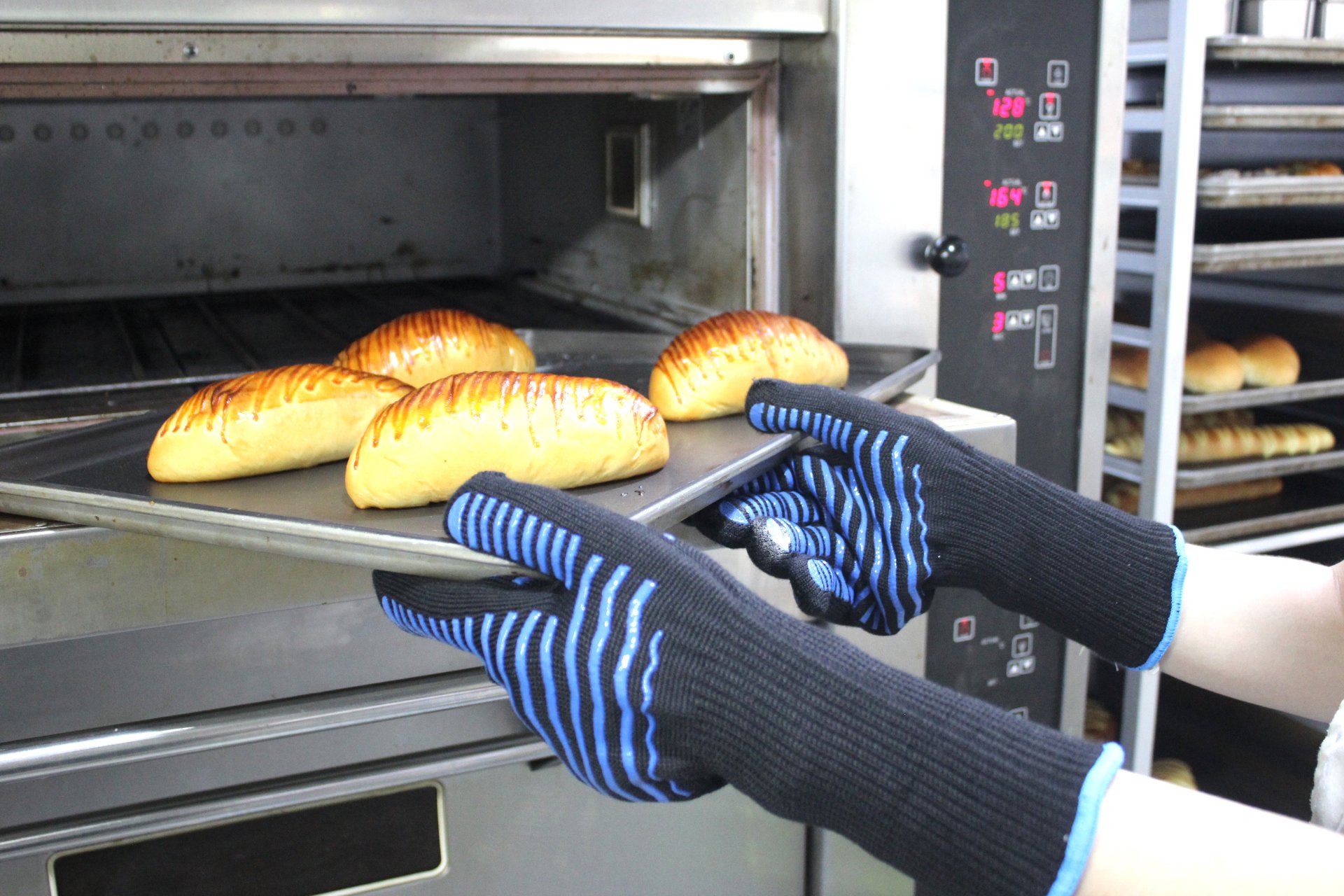
Heat-resistant gloves are personal protective equipment designed specifically to protect the hands from burns or injuries caused by hot surfaces.
They can withstand temperatures above 200°C, preventing burns from direct contact with heat, hot surfaces, or oil splashes. Some heat-resistant gloves feature extended designs to cover the wrists and forearms for comprehensive protection.
耐切断性手袋
耐切断性手袋 are typically made from high-performance, high-strength materials such as Kevlar, HPPE, stainless steel wire, or ultra-high-molecular-weight polyethylene. They effectively protect against sharp objects such as cutting machines, knives, glass, and metal edges.
Cut-resistant gloves help prevent injuries from knives and slicers, making them ideal for processing and handling meat, seafood, and vegetables, reducing the risk of hand cuts.

How to Correctly Choose the Cooking Gloves That Suit You?
First, identify your usage scenario and the hidden hazards in the glove environment. Then, choose gloves with the appropriate features based on your working conditions and requirements.
Next, measure your hand size and select gloves that fit properly, avoiding gloves that are too loose or too tight, which could cause unnecessary inconvenience or accidents.
Finally, confirm with your supplier whether the chosen gloves possess international certifications and standards to ensure their quality.
概要
There are many types of gloves used in cooking, each with different features and purposes. Therefore, selecting the right gloves for cooking should be done with great care. If you are unsure, you can お問い合わせ—Aibon will provide full assistance throughout the process!
手袋のサイズの測り方 – 出典:AIBON
ラテックス手袋– 出典:AIBON
安全手袋– 出典:AIBON
作業用手袋– 出典:AIBON
よくある質問
Future Market Trends and New Directions for Cooking Gloves
In the future, cooking gloves can be sold together with items such as aprons and rain boots. Additionally, new product directions may include adding antimicrobial coatings and touchscreen functionality to cooking gloves for enhanced features and options.
How to Control Costs When Procuring Cooking Gloves?
The main approach is to choose the gloves that best suit your work environment and needs. Then, you can reduce procurement costs based on the supplier’s existing discounts, or select the gloves with the highest cost-performance ratio according to the supplier’s recommendations.
Storage Recommendations for Cooking Gloves
Cooking gloves are recommended to be stored in a cool, dry place, avoiding direct sunlight. For disposable gloves, it is recommended to use sealed packaging to ensure hygiene, extend shelf life, and maintain food safety.
品質に問題がある場合、商品を返品することはできますか?
品質上の問題が見つかった場合は、弊社アフターサービスチームまでご連絡ください。お客様からご提供いただいた具体的な内容に基づき状況を評価し、それに応じて適切な対応を決定いたします。.
Environmental and Regulatory Compliance of Cooking Gloves
For environmental protection and sustainable development, cooking gloves can be made from eco-friendly and recyclable biodegradable materials to meet international environmental protection standards.
 English
 Spanish
 Hindi
 Portuguese
 German
 Russian
 French
 Korean
 Japanese