


Whether in daily life or in the workplace, your skin may come into contact with harmful chemicals. In mild cases, this can cause dry skin, allergies, or rashes on your hands. In severe cases, it may lead to skin corrosion, burns, or even threaten personal safety. Therefore, choosing the right chemical-resistant gloves is essential. So, which type of gloves can truly protect your hands from harmful chemicals? Next, we will provide you with a comprehensive explanation of this issue to ensure that you can choose the most suitable gloves for your needs.
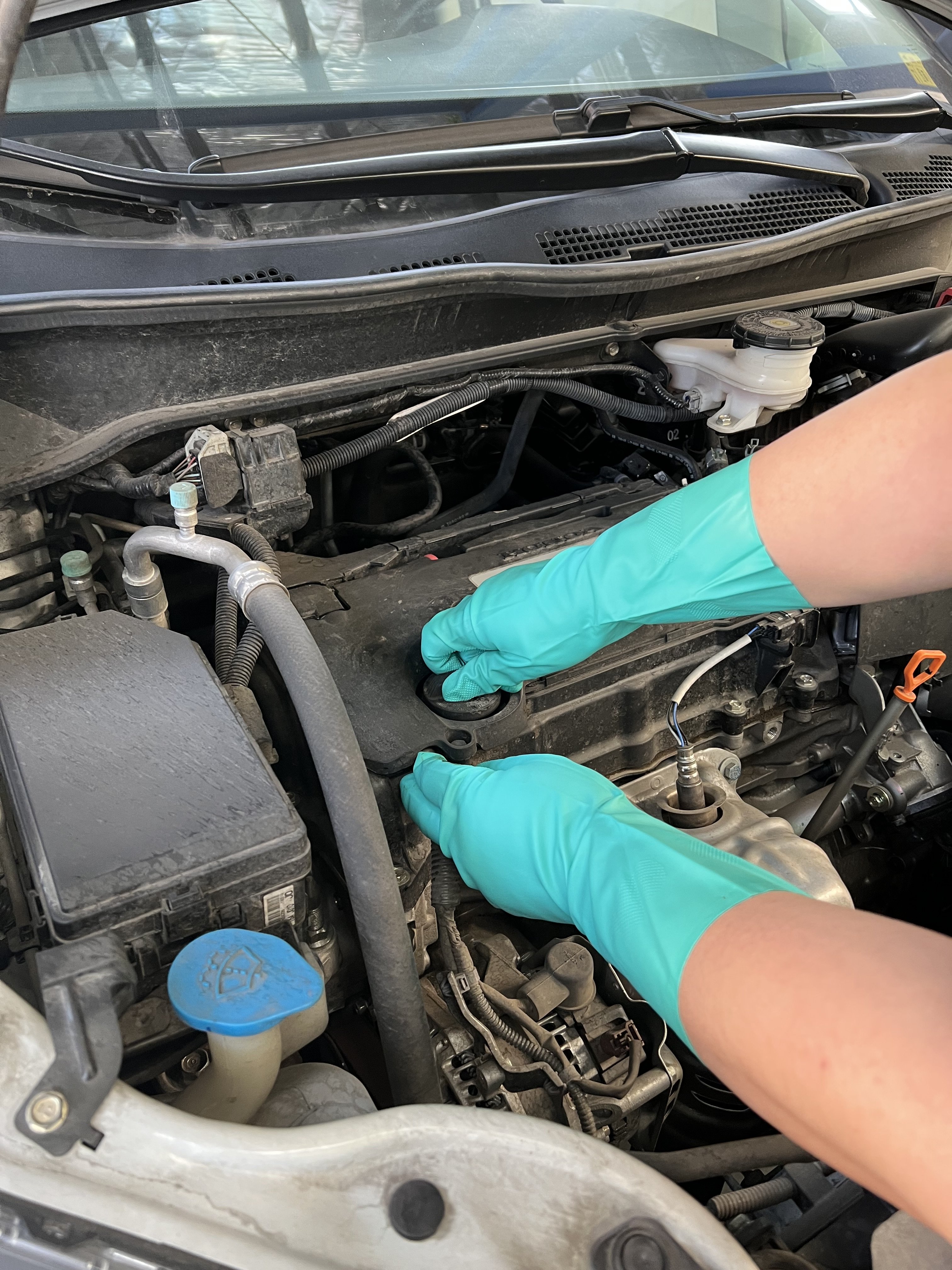
ニトリル手袋
ニトリル手袋 are mainly made by producing nitrile rubber through the emulsion polymerization of acrylonitrile and butadiene, then adding additives such as vulcanizing agents, stabilizers, accelerators, and pigments. After processes including hand mold forming, vulcanization, cleaning, drying, and demolding, the final gloves are produced.
Nitrile gloves can effectively resist oils such as engine oil, lubricating oil, gasoline, and diesel fuel, as well as organic solvents including alcohol and certain alcohol-based substances. They also provide protection against acids, alkalis, cleaning agents, and disinfectants such as diluted sulfuric acid, diluted hydrochloric acid, potassium hydroxide, sodium hydroxide, bleach, and detergents.

ラテックス手袋
ラテックス手袋 are made from the sap extracted from Brazilian rubber trees. After filtering and adding mixed chemical additives through a series of precise processing and treatments, the material is coated onto glove molds, heated and cured, cleaned, and rinsed to finally form the finished product. They are a combination of natural latex and synthetic materials.
Latex gloves not only have certain resistance to water-based chemicals such as soapy water, detergents, and water-based disinfectants, but also provide protection against low-concentration acids and alkalis such as diluted hydrochloric acid, diluted sulfuric acid, acetic acid, citric acid, diluted sodium hydroxide, and diluted ammonia water, as well as alcohol disinfectants such as ethanol. In addition, they offer excellent flexibility, tactile sensitivity, and a very high level of comfort.
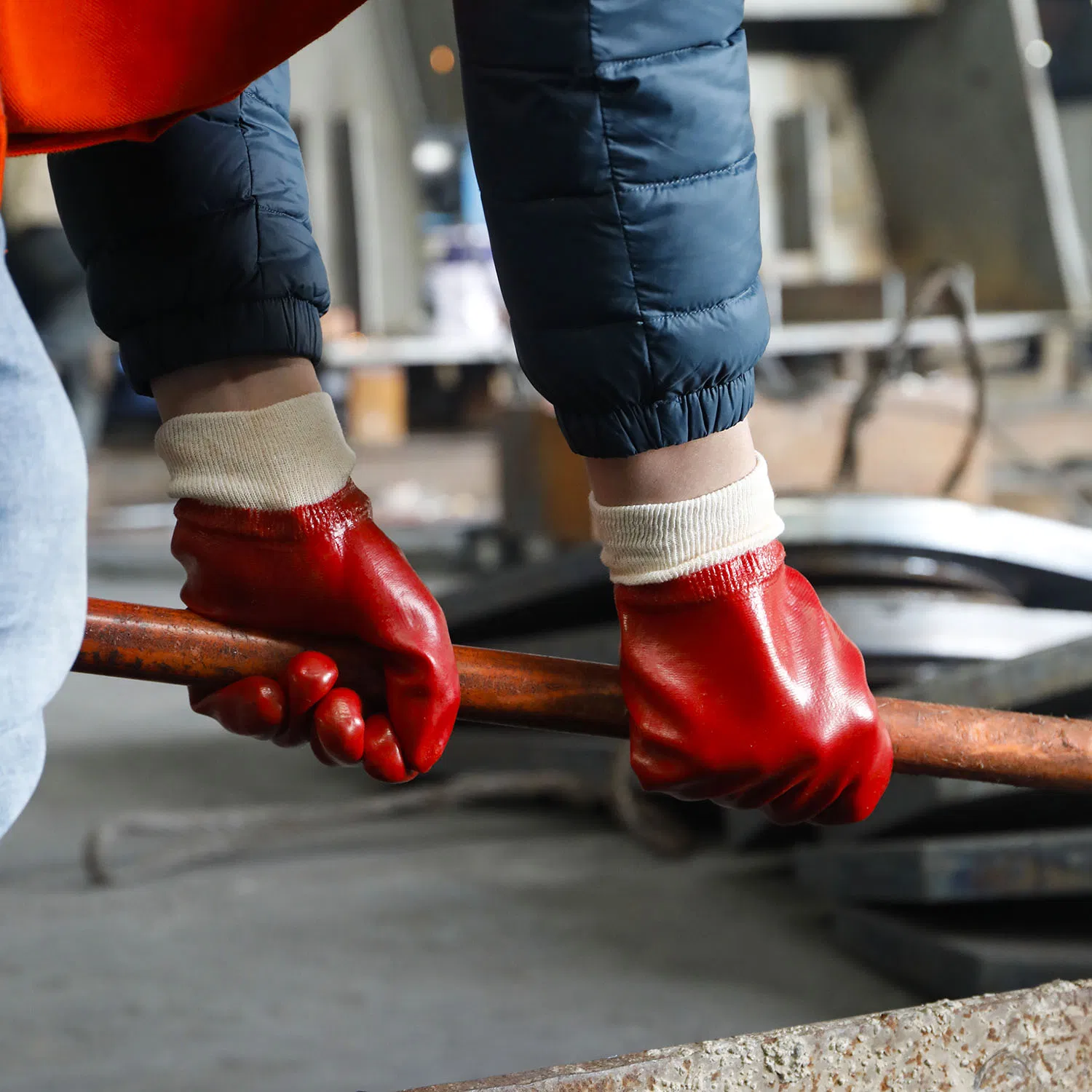
PVC手袋
PVC手袋 are plastic protective gloves mainly made from polyvinyl chloride resin, combined with plasticizers, stabilizers, and various functional additives.
PVC gloves can resist alkaline substances such as sodium hydroxide, potassium hydroxide, and ammonia water, as well as low-concentration acidic substances such as diluted hydrochloric acid and diluted sulfuric acid. They also have excellent resistance to water-based chemicals including cleaning agents, detergents, and disinfectants, as well as certain salts and inorganic chemicals.

ネオプレン製手袋
Neoprene gloves are mainly made from polychloroprene rubber formed through the latex polymerization reaction of chloroprene, with the addition of functional agents such as vulcanizing agents, antioxidants, and stabilizers.
Neoprene gloves can effectively resist low-concentration acids and alkalis, medium- to high-strength chemical substances, alcohol-based chemicals such as ethanol and isopropanol, as well as cleaning agents including bleach, detergents, and disinfectants. They also provide resistance to light lubricating oils, industrial greases, certain oils, and organic solvents.

Butyl Gloves
Butyl gloves are mainly produced through the low-temperature cationic polymerization reaction of isobutylene with a small amount of isoprene, followed by the addition of functional additives such as vulcanizing agents, anti-aging agents, and antioxidants.
Butyl gloves have excellent resistance to ketones and esters such as acetone, MEK, ethyl acetate, and butyrate, as well as highly corrosive acidic chemicals including nitric acid, sulfuric acid, and hydrochloric acid. They also provide outstanding protection against strong oxidizing agents, certain toxic gases, hazardous chemical vapors, and organic solvents.

PVA Gloves
Polyvinyl alcohol gloves are mainly made by polymerizing vinyl acetate into polyvinyl acetate, and then converting the polyvinyl acetate into polyvinyl alcohol through an alcoholysis process. This high-performance polymer material is then used to manufacture the gloves.
PVA gloves can effectively resist aromatic hydrocarbons such as toluene and benzene, chlorinated solvents such as dichloromethane and trichloroethylene, as well as ketones, organic solvents, and petrochemical solvents. However, PVA gloves have limited mechanical protection capabilities and are not suitable for general cleaning work. They are professional gloves designed specifically for chemical environments.
結論
No single glove can resist all chemicals. You need to choose the appropriate chemical-resistant gloves according to your working environment, application scenarios, and potential hazards. Trust me, only in this way can you truly protect your hands from harmful chemicals. If you are interested in chemical-resistant gloves or would like to purchase them, please お問い合わせ as soon as possible. Aibon will provide you with full-service support throughout the process.
手袋のサイズの測り方 – 出典:AIBON
ラテックス手袋– 出典:AIBON
安全手袋– 出典:AIBON
作業用手袋– 出典:AIBON
よくある質問
生産が始まる前に、その手袋を見させてもらえますか?
ご安心ください。手袋の外観を明確に確認していただけるよう、試作サンプルを作成いたします。お客様が100%ご満足いただいた上で、生産を開始いたします。.
注文の現在の状況を確認するにはどうすればよいですか?
オーダーメイドの手袋をご注文いただくと、専任のカスタマーサービス担当者が割り当てられ、ご対応いたします。製造の進捗状況についてのお問い合わせは、いつでも担当者に連絡していただけます。.
お支払いの条件と方法はどのようなものですか?
Our standard payment terms require a deposit upfront, with the balance paid before shipment.We prefer bank transfer (T/T) to our company bank account. We also accept PayPal, T/T wire transfer, L/C (Letter of Credit), Alibaba, Alipay, WeChat Pay, and payments to personal bank accounts.
特注の手袋の納期はどのくらいですか?
ご注文を承り次第、30日から45日以内に生産を完了することを目指しております。大量のご注文の場合は、60日から90日程度かかる場合がございます。柔軟に対応いたしますので、お急ぎの場合は、詳細について弊社チームまでご相談ください。.
ご注意:当社の生産リードタイムには配送時間は含まれておらず、デザイン原稿の確認完了日から起算されます。.
 English
 Spanish
 Hindi
 Portuguese
 German
 Russian
 French
 Korean
 Japanese