


In seafood processing and fish handling work environments, you may be exposed to various unknown hazards from all directions every day. Therefore, choosing the right personal protective equipment (PPE) can not only provide adequate protection and a greater sense of safety, but also improve work efficiency while meeting international hygiene standards and requirements for the food industry. It is a practical way to achieve multiple benefits at once. In the following sections, we will provide a comprehensive explanation of how to choose suitable personal protective equipment for your employees in the fish processing or food processing industry, helping you select the right PPE to provide complete protection for your hands and other exposed areas.
What PPE Do You Need in a Fish Processing Plant?
Luvas de proteção
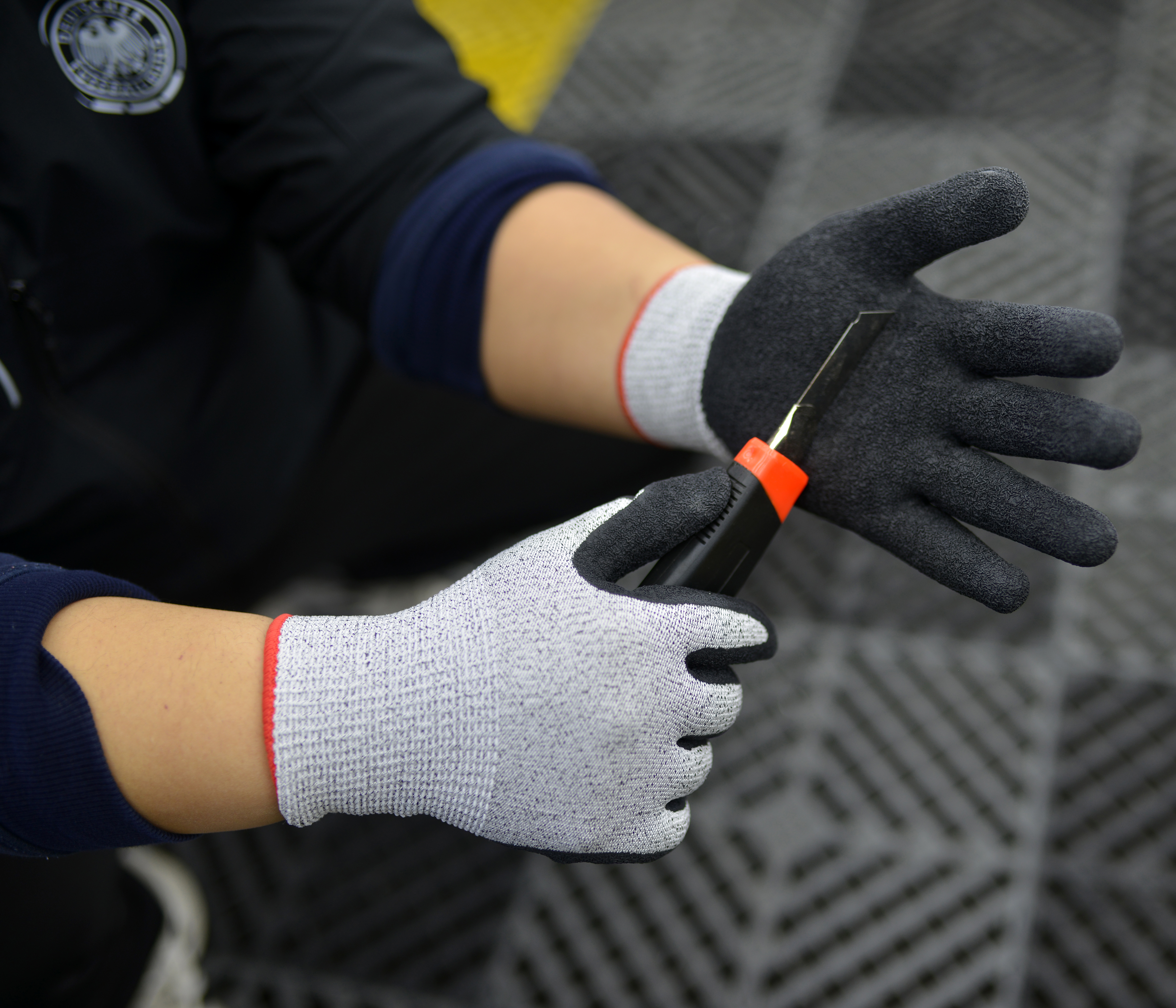
Luvas resistentes a cortes
luvas resistentes a cortes are made from high-performance, high-quality fibers and can effectively protect against injuries caused by sharp objects such as knives, cutting tools, and cutting machines, as well as sharp shell fragments and fish bones. They offer excellent durability while generally featuring a lightweight design for greater flexibility and convenience during use. They are also comfortable and breathable, making them suitable for long-term wear and use. They are particularly suitable for fish filleting, deboning and descaling, seafood cutting and sorting, meat and aquatic product processing, and seafood handling applications.

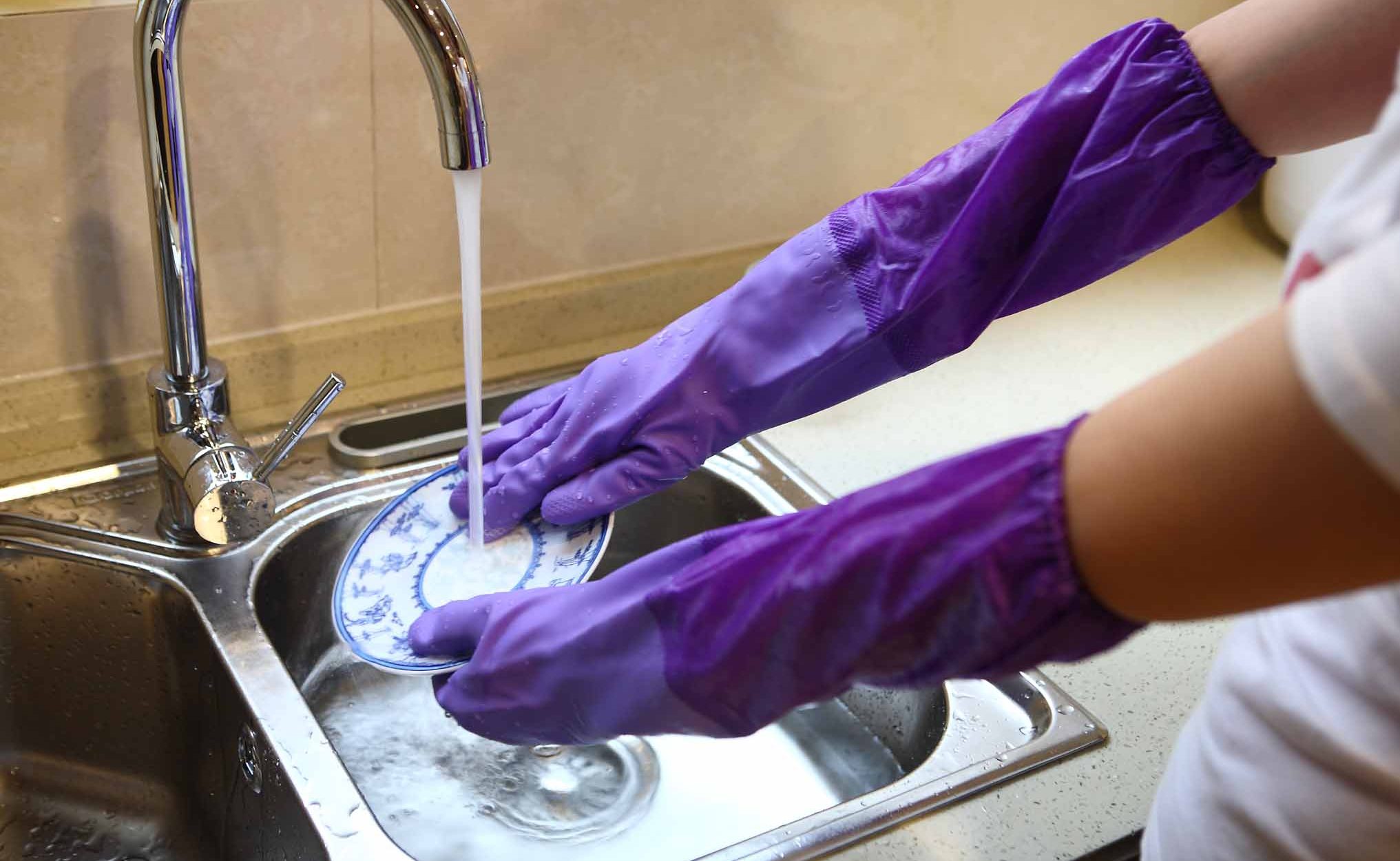
Luvas impermeáveis
luvas impermeáveis generally feature a dense structure that effectively prevents water and other liquids from penetrating into the inside of the gloves, helping to avoid unnecessary problems and accidents. In addition, the surfaces of waterproof gloves commonly feature specially designed textures that ensure a secure grip even in wet and greasy environments, providing excellent slip resistance. Therefore, they are highly suitable for fish washing, seafood and aquatic product handling and sorting, equipment cleaning, and other fish processing applications that require prolonged contact with water, liquids, and wet materials.
Luvas resistentes ao frio
Cold resistant gloves generally use insulating lining materials or multilayer construction to create a thermal barrier, providing stable warmth along with excellent windproof and waterproof performance. They help reduce heat loss from the hands. In addition, they may feature tightly knitted structures, extended cuffs, and windproof coatings to improve their wind and water resistance. These features effectively reduce the penetration of cold air and enhance the gloves’ thermal insulation performance, allowing workers to operate safely in low-temperature environments. They are particularly suitable for frozen food processing, cold storage handling, ice product handling and processing, and other fish processing environments where workers are exposed to low temperatures for extended periods.

Luvas resistentes a produtos químicos
Chemical resistant gloves are generally made from materials specifically designed to resist chemical substances. They can provide protection against low-concentration acidic substances such as diluted hydrochloric acid and diluted sulfuric acid; low-concentration alkaline substances such as calcium hydroxide, sodium hydroxide, and ammonia water; oils and oily substances such as edible oils, animal oils, and mineral oils; alcohol-based chemicals such as ethanol and isopropanol; as well as cleaning agents, disinfectants, detergents, salt water, buffer solutions, and certain organic solvents that may cause harm to the skin. Therefore, they are particularly suitable for equipment cleaning, disinfection, factory maintenance, seafood handling and processing, and other fish processing applications.
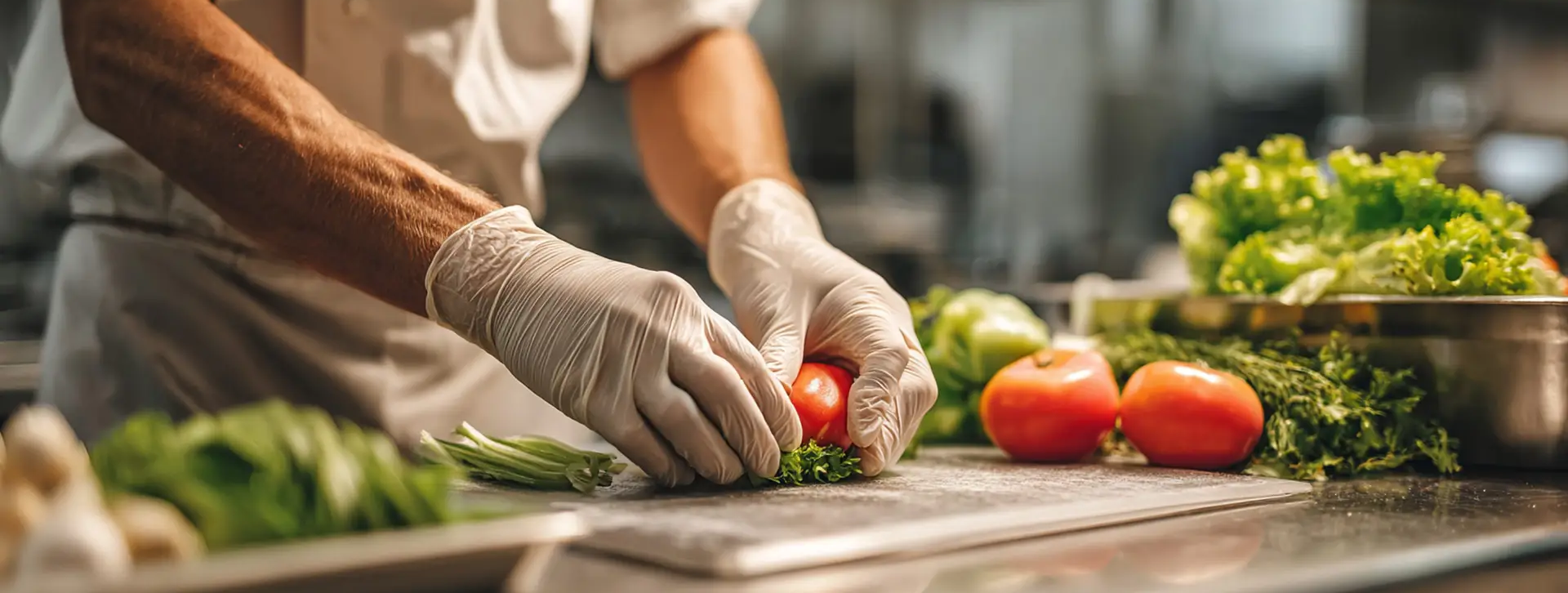
Luvas descartáveis
Luvas descartáveis create a temporary protective barrier between the skin and objects, effectively helping to prevent cross-contamination. They are lightweight and flexible to wear, and can be replaced promptly to isolate skin secretions and reduce contamination and microorganism transmission between different processing stages. This helps improve hygiene and safety standards while meeting international food safety requirements. They are particularly suitable for seafood processing and packaging, finished product handling, product sorting, meat processing, and other food processing applications.

Protective Aprons
Protective aprons are commonly made from PVC, TPU, PE, or rubber materials, providing excellent waterproof performance. They can effectively prevent seawater, ice water, fish blood, bodily fluids, and other liquids from reaching the skin. They can also form a protective barrier that reduces contamination of employees’ clothing from fish scales, fish scraps, grease, internal organs, and other food residues. In addition, they can provide extra cut protection to help prevent avoidable injuries to the body. Their excellent abrasion resistance and durability can extend service life and reduce the costs associated with frequent replacement.
Furthermore, employees can quickly clean and maintain protective aprons through simple rinsing or disinfection, reducing bacterial growth while improving overall work efficiency and comfort.
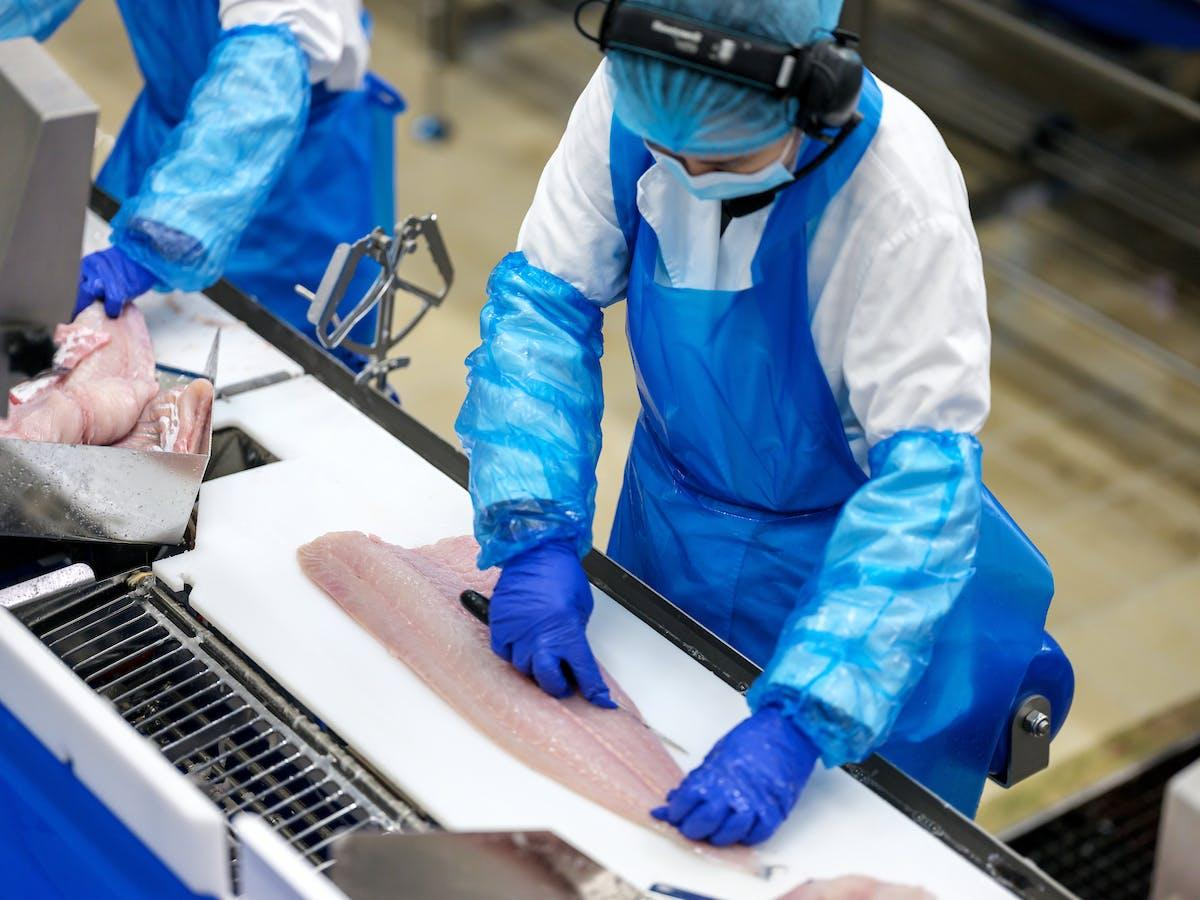
Protective Sleeves
Protective sleeves are designed to cover the wrists, forearms, and even the elbow area, expanding the overall protection range. They reduce exposure of bare arm skin to hazardous objects, liquids, and water, helping to keep the arms dry for extended periods. They also reduce the risk of external contaminants entering the processing area, improving overall food processing safety and hygiene standards.
In addition, protective sleeves are made from lightweight materials that fit closely around the arms, reducing inconvenience caused by slipping while maintaining hand mobility and operational flexibility and improving work efficiency.
Protective Caps
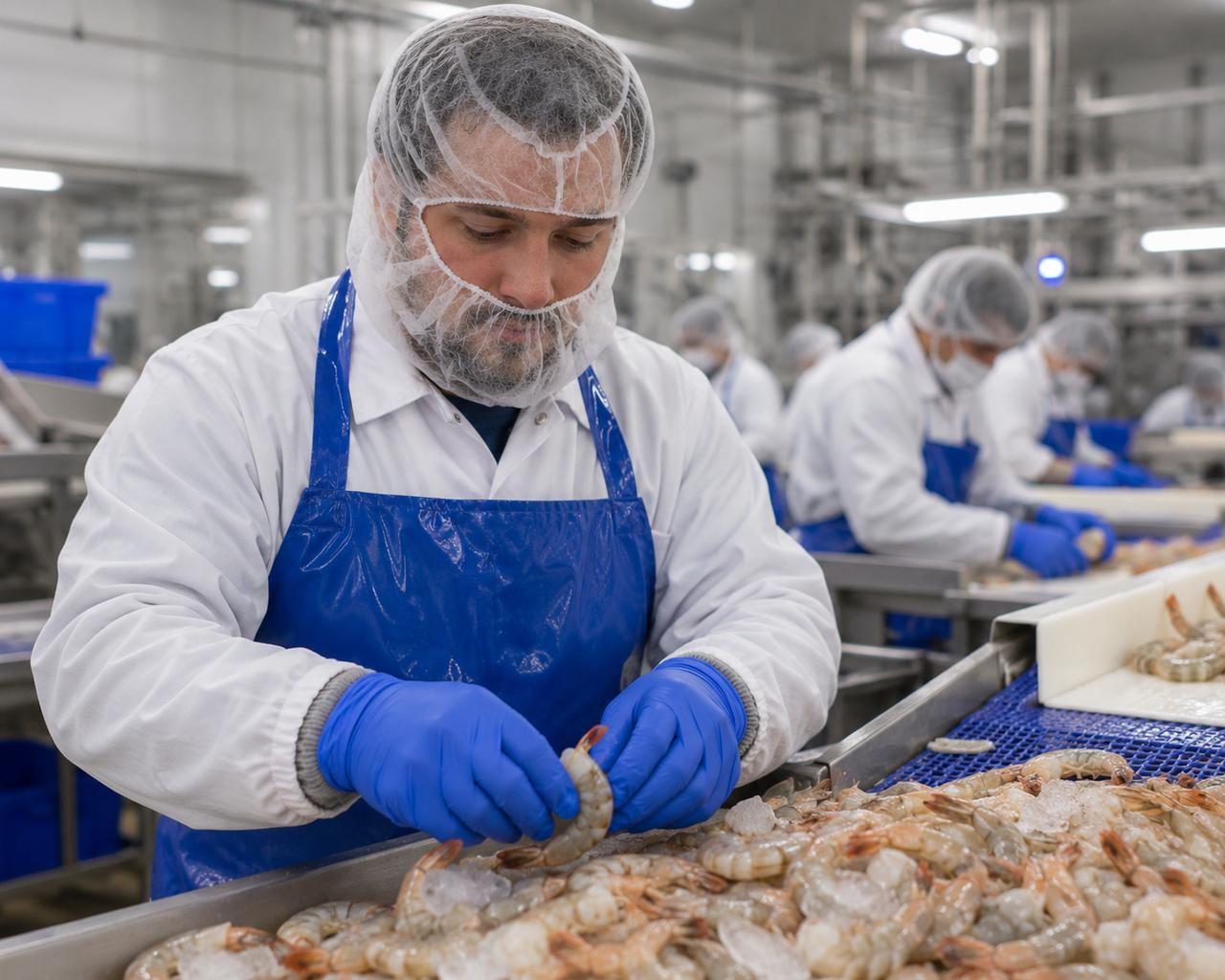
Protective caps effectively cover the hair area, reducing the risk of hair and loose particles falling into food products. They also reduce direct contact between external contaminants and the head, helping prevent contamination of processed products and improving cleanliness and hygiene management throughout the processing area. At the same time, they balance protection and comfort, offering good breathability, reducing heat and stuffiness, and allowing them to be worn comfortably for extended periods.
Safety Shoes
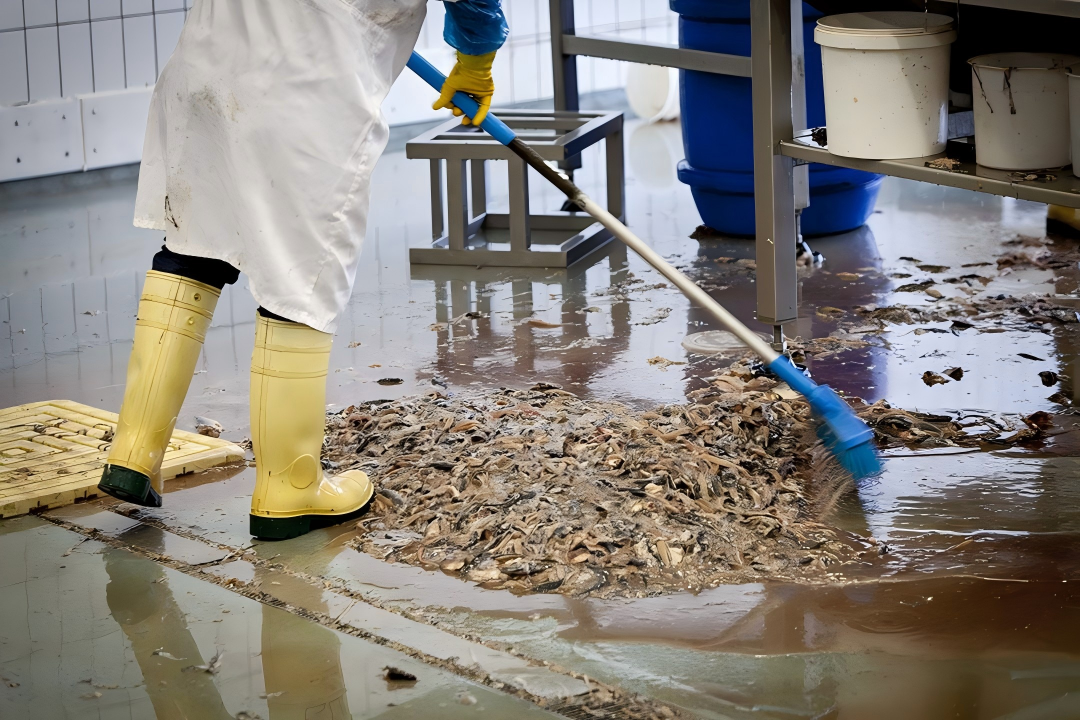
Safety shoes feature specially textured soles that enhance traction between the feet and the floor, reducing unnecessary slips and falls caused by wet working environments and helping protect workers from injury. They can also help protect the feet from heavy objects falling onto them and from sharp objects penetrating the sole.
In addition, safety shoes provide excellent waterproof performance to prevent water from entering the footwear, helping keep the feet dry and reducing the potential harm caused by prolonged exposure to moisture. Their ergonomic design can also reduce discomfort and foot fatigue caused by prolonged standing, improving overall comfort.
Face Masks
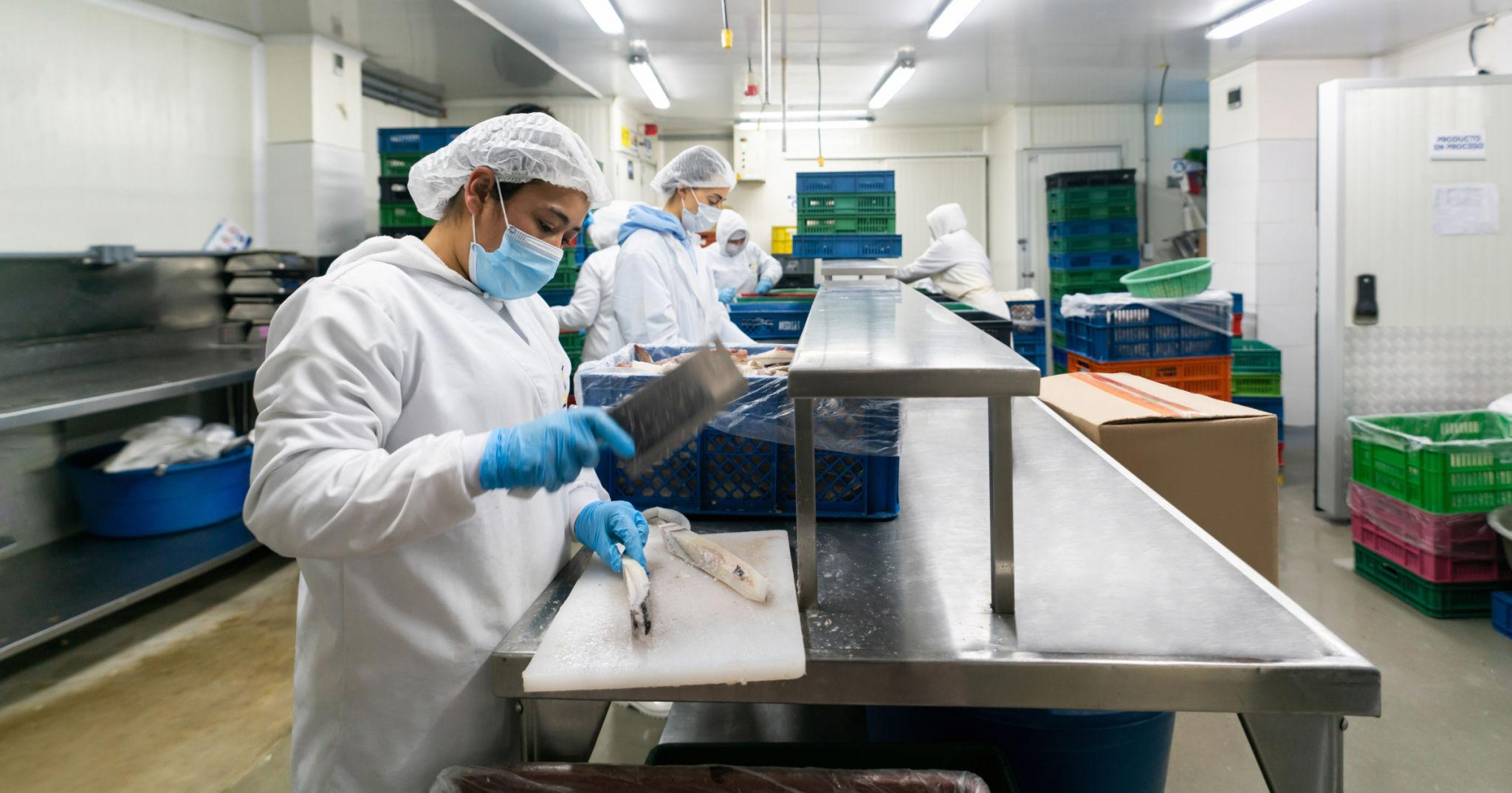
Face masks feature a multilayer filtration structure that can effectively filter particles in the air and help reduce exposure to fish odors, irritating smells, and airborne irritants. They can also help prevent hair, droplets, external particles, and other contaminants from entering food products, thereby reducing the risk of cross-contamination.
Face masks can cover the face and reduce direct contact between liquids and the wearer, helping prevent unnecessary accidents and inconvenience while providing good hygiene protection, comfort, and safety.
Perguntas frequentes
What Factors Should You Consider When Purchasing PPE for a Fish Processing Plant?
When purchasing PPE for a fish processing plant, you should consider factors such as the working environment, production processes, employee comfort, cleaning requirements, product durability, and food safety regulations.
How Often Does PPE Need to Be Replaced in a Fish Processing Plant?
The replacement frequency of PPE mainly depends on the product type, usage intensity, frequency of use, cleaning and maintenance methods, and the working environment in which the PPE is used.
Can Fish Processing PPE Be Customized for Different Seafood Processing Requirements?
Yes. Different fish processing applications may require different protection solutions. Fish processing PPE can be customized according to your specific working environment and protection requirements.
How Does PPE Improve Fish Processing Productivity?
Choosing the right PPE can improve productivity by reducing injuries and hazards during work and helping employees perform their tasks with greater confidence and efficiency.

Conclusão
Personal protective equipment is essential in the fish processing industry. By clearly understanding the different types of PPE required for fish processing, you can make better-informed decisions when selecting suitable protective equipment. If you are interested in fish processing PPE or PPE gloves, please Contate-nos. Aibon will provide comprehensive support throughout the process!
Como medir o tamanho das luvas – Fonte: AIBON
Luvas de látex– Fonte: AIBON
Luvas de segurança– Fonte: AIBON
Luvas de trabalho– Fonte: AIBON
 English
 Spanish
 Hindi
 Portuguese
 German
 Russian
 French
 Korean
 Japanese