


Gloves are an essential piece of personal protective equipment (PPE) in almost any working environment, especially in workplaces where workers need to handle sharp objects. Choosing the right cut-resistant gloves not only helps reduce the risk of hand injuries caused by cuts but also meets the protective requirements of different working environments. So, which cut-resistant gloves are worth buying? In this article, we will provide a comprehensive and detailed explanation to help you find the answer.
What Are the Main Types of Cut-Resistant Gloves Worth Buying?
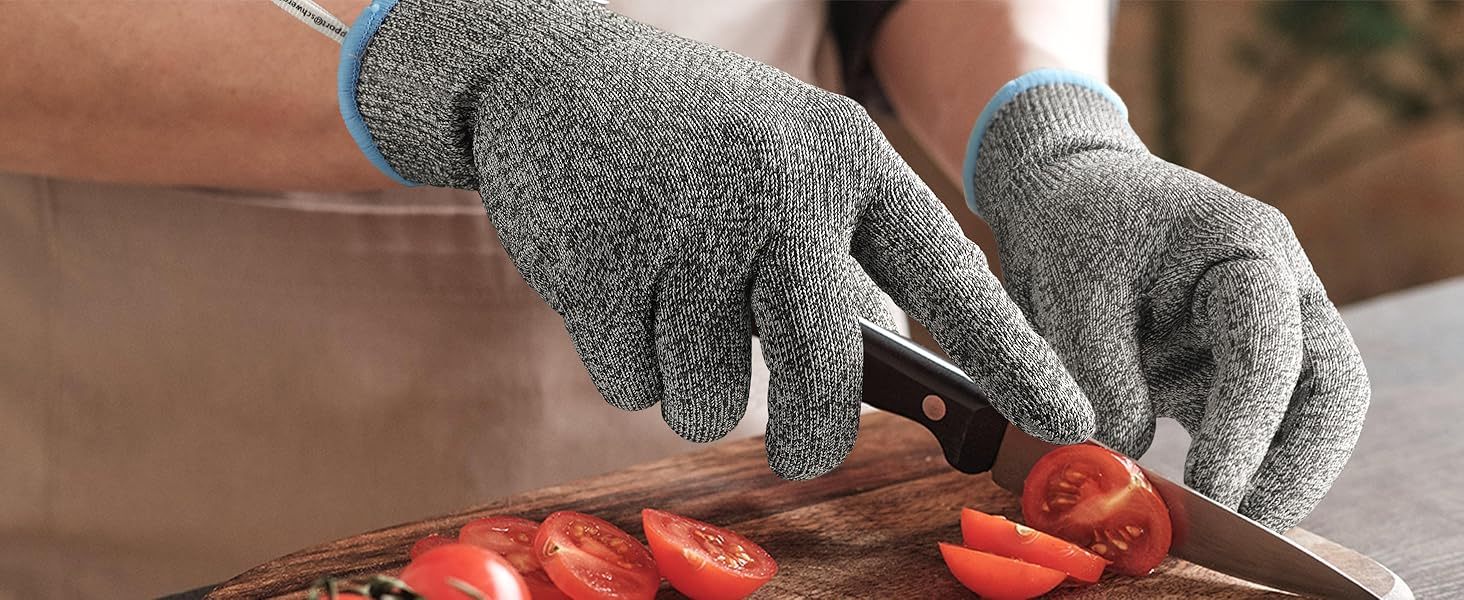
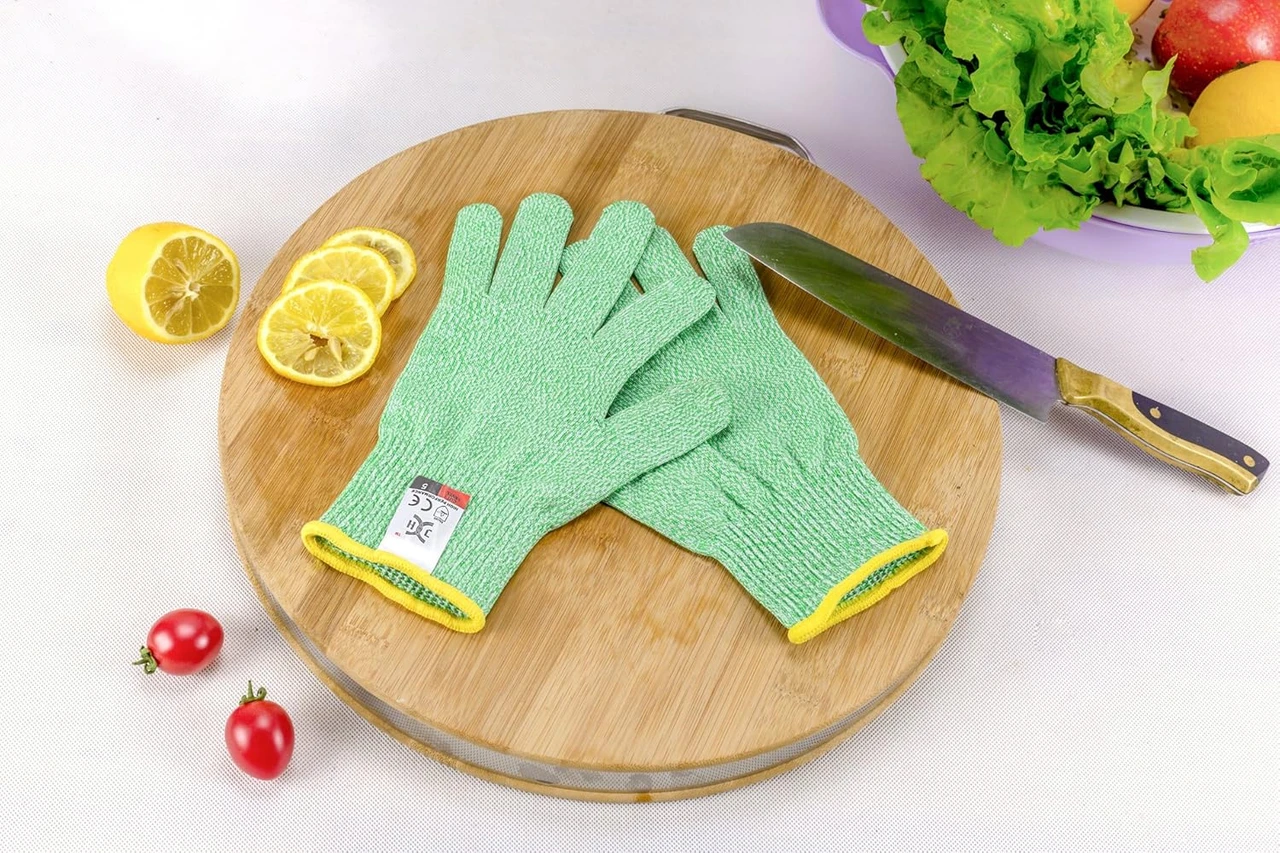
HPPE Cut-Resistant Gloves
HPPE cut-resistant gloves are hand protection products primarily made from high-performance polyethylene fibers. They are manufactured using different yarn structures and knitting processes to provide reliable hand protection. These gloves can effectively protect hands against injuries caused by sharp objects such as knives, cutting machines, and glass. They also feature a lightweight design, offering a comfortable and breathable wearing experience while reducing the additional burden caused by the gloves themselves and helping minimize hand fatigue during long working hours.
Thanks to the excellent flexibility and dexterity of HPPE materials, HPPE cut-resistant gloves provide better hand control, allowing users to maintain flexibility and freedom of movement. Of course, HPPE fibers can also be knitted together with other materials, such as fiberglass, stainless steel wire, and nylon fibers, to provide different levels of protection for various working environments.
Aramid Fiber Cut-Resistant Gloves
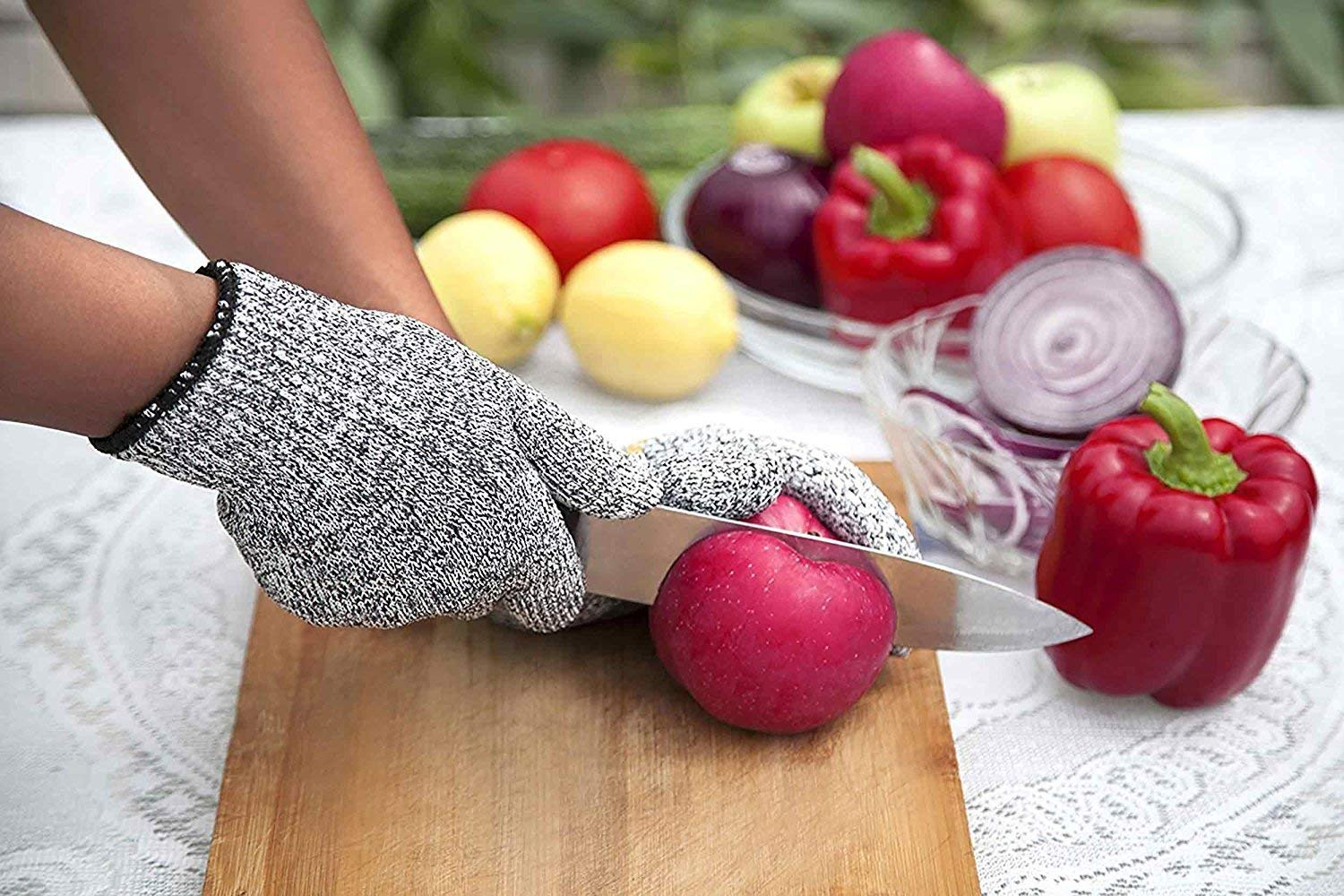
Aramid fiber cut-resistant gloves are hand protection products made from aramid fibers using specialized knitting processes. They offer high tensile strength and excellent mechanical properties, helping reduce the risk of hand injuries when handling sharp objects such as knives, broken glass, and metal edges.
In addition, aramid fiber cut-resistant gloves offer outstanding heat resistance and flame-retardant properties. Even in high-temperature environments or when handling hot objects, they can maintain a stable fiber structure without easily melting or shrinking. They provide excellent thermal stability but are only suitable for environments involving brief contact with hot objects.

Stainless Steel Cut-Resistant Gloves
Stainless steel cut-resistant gloves are primarily made from stainless steel wire as the main protective material. They are manufactured using specialized weaving techniques that combine multiple strands of stainless steel wire or connect metal rings to form a mesh structure. These gloves offer excellent cut resistance and outstanding puncture resistance, helping reduce hand injuries caused by frequent contact with sharp and pointed objects such as knives, metal edges, and broken glass, thereby ensuring hand safety.
Furthermore, stainless steel cut-resistant gloves offer excellent structural stability and corrosion resistance. They are highly resistant to moisture and corrosion caused by everyday environmental conditions. Their tightly woven wire or interconnected metal rings create a relatively strong protective structure that is not easily deformed. They can also be cleaned using appropriate washing methods to remove meat residue, grease, and other stains, making daily cleaning and maintenance easier.

Luvas revestidas resistentes a cortes
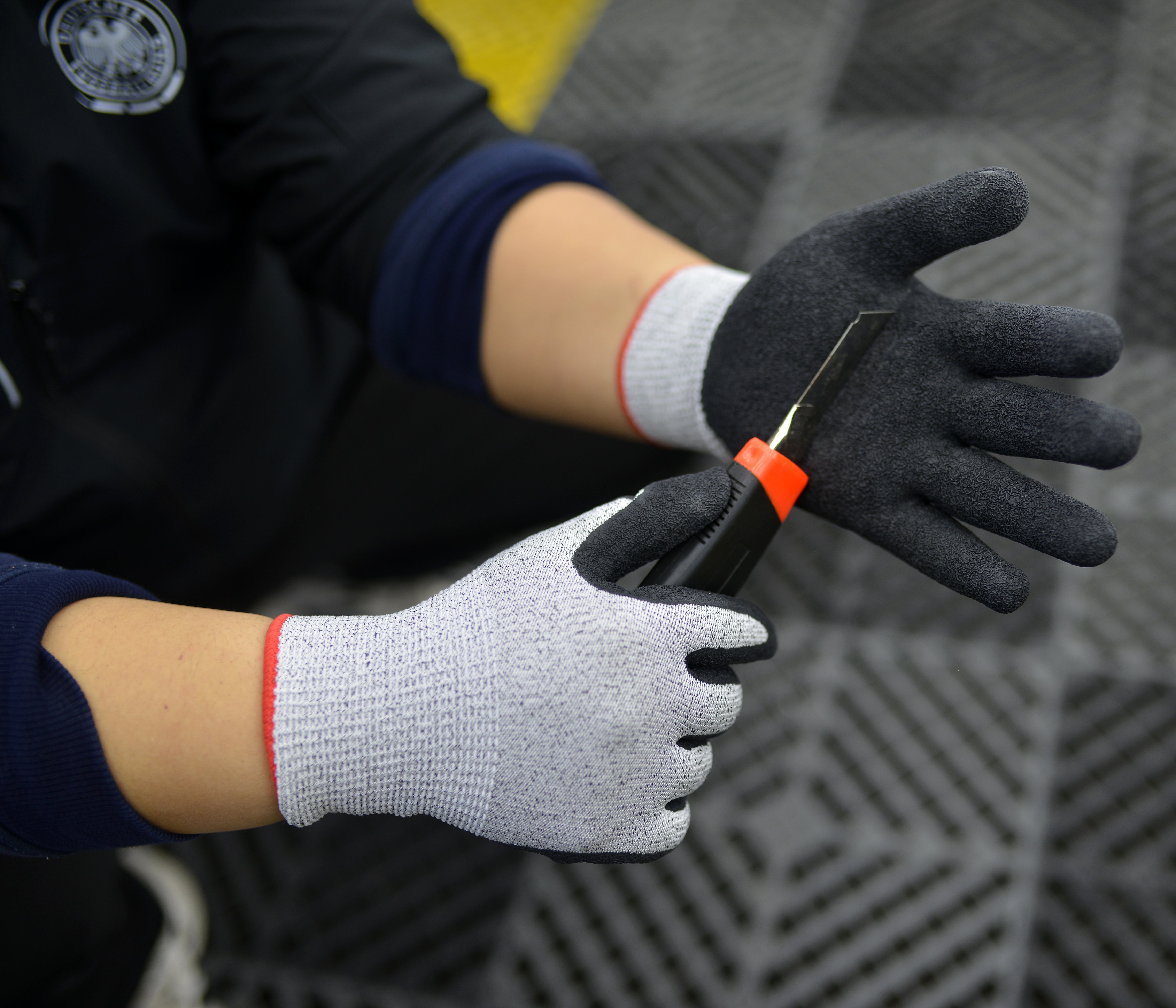
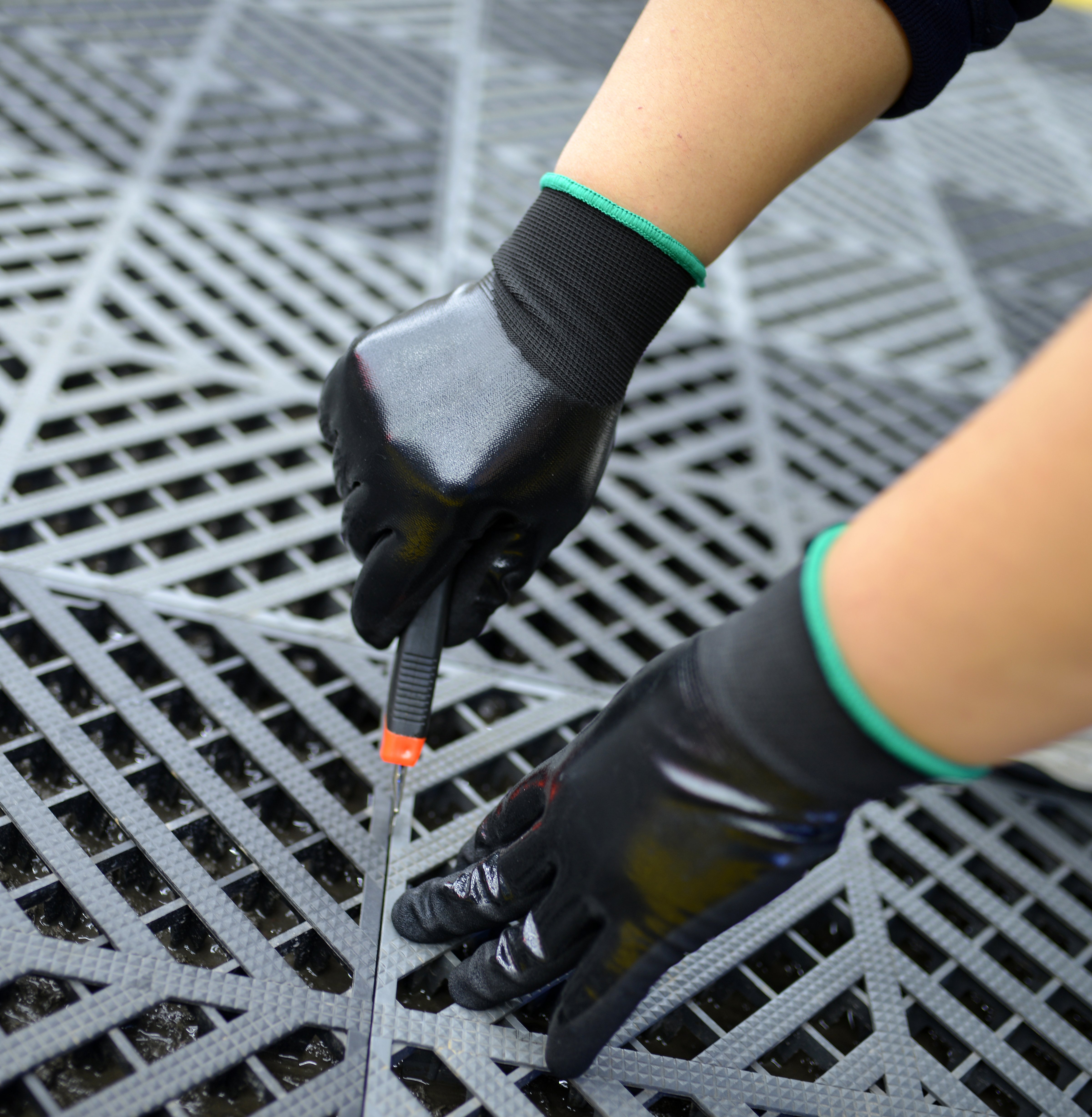
Coated cut-resistant gloves are made by knitting high-performance cut-resistant fibers into a glove liner and adding a special protective coating to the glove surface. This design improves grip and slip resistance, ensuring a secure grip even in wet or oily environments and helping prevent problems and accidents caused by dropped objects.
The coating also provides excellent stain resistance, reducing the direct adhesion of dust, oil, and other contaminants to the knitted fibers. This makes daily cleaning and maintenance easier. Different coating structures can also provide varying levels of protection against dirt and liquid contact.
What Factors Should You Consider When Buying High-Quality Cut-Resistant Gloves?
Nível de resistência ao corte
The cut resistance level of gloves is not only closely related to the user’s personal safety but is also an important indicator of their ability to withstand cuts from sharp objects. Naturally, it is one of the primary factors you should consider when purchasing cut-resistant gloves.
If the cut resistance level and overall performance of the gloves cannot meet the actual requirements of your working environment, they will not provide sufficient cut protection. This may put your hands at risk and lead to unnecessary problems and accidents. Therefore, the cut resistance level of gloves is extremely important.
Different countries have their own standards for classifying cut-resistant gloves. However, two internationally recognized standards are commonly used today: ANSI (American National Standards Institute) and EN388 (European Protective Standard). Each standard has its own characteristics, and you can choose the appropriate standard based on your needs to clearly understand and evaluate the cut resistance performance of gloves.
EN388
EN388 primarily uses the Coup Test to evaluate the cut resistance of gloves. The glove material is secured on a testing platform, and a fixed pressure is applied to a circular blade. The blade then moves back and forth across the material, and the number of cycles required to cut through it is recorded. By comparing the number of cycles needed to cut through the glove material with those required for standard cotton fabric, a cut resistance index is obtained. Based on this index and the relevant testing standards, cut-resistant gloves are classified into levels 1–5.

ANSI
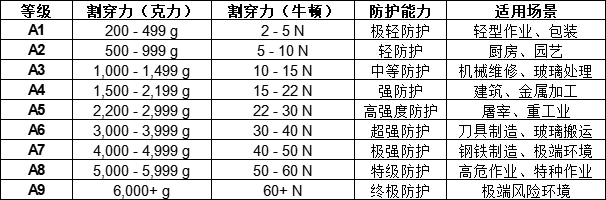
ANSI primarily uses the TDM Cut Test to determine the cut resistance level. The glove material is secured to the testing equipment, and a straight blade makes a single cutting stroke across the material. The minimum cutting force required to cut through the glove material is recorded. Based on this cutting force and the applicable standards, gloves are classified into levels A1–A9.
Both of the above testing methods provide clear and standardized ways to determine the cut resistance level of gloves. This helps you select appropriate protective equipment and ensure that your hands receive the necessary protection when exposed to potential hazards.
Glove Performance
In addition to basic cut resistance, you should also consider other potential or hidden hazards in your working environment and specific applications. Choose cut-resistant gloves with the appropriate protective properties to effectively address the risks you may encounter.
Size and Comfort
Properly fitting gloves are essential for long-term wear. They not only significantly improve wearing comfort but also help increase work efficiency.
Therefore, you should measure your own hand size or understand the hand measurements of the intended users before selecting the appropriate glove size. Try to avoid gloves that are too large or too small, as well as gloves that fit too loosely or too tightly. An improper fit may lead to unnecessary accidents and problems.
Service Life
The durability and abrasion resistance of cut-resistant gloves directly affect their service life. The stronger the abrasion resistance, the less likely the gloves are to become damaged or require frequent replacement. This can indirectly improve their overall cost-effectiveness.
Conversely, gloves with poor durability may need to be replaced more frequently. Therefore, service life is also one of the key factors buyers should consider.
Perguntas frequentes
Can Cut-Resistant Gloves Be Machine Washed Directly?
Not necessarily. Whether the gloves can be washed, which cleaning methods should be used, and whether they can be reused all depend on the product specifications and the manufacturer’s recommendations.
Can Cut-Resistant Gloves Prevent All Cuts?
No. Cut-resistant gloves can only provide a certain level of protection within their specified performance ratings and testing standards. They cannot completely eliminate the risk of hand injuries caused by sharp objects.
Can Cut-Resistant Gloves Be Used with Touchscreen Devices?
Yes, but not all cut-resistant gloves support touchscreen operation. Whether they can be used with touchscreen devices mainly depends on the glove’s fiber materials, coating, and your specific requirements.
Can Cut-Resistant Gloves Be Worn Together with Other Protective Gloves?
Of course. Cut-resistant gloves can be combined with other protective gloves. However, not all gloves are suitable for layered wearing. The appropriate combination should be determined based on the working environment, application, and specific characteristics of the gloves.
The best cut-resistant gloves worth buying are always those that meet your specific needs. Therefore, you should comprehensively evaluate factors such as cut resistance level, material performance, glove size and length, and service life based on your working conditions and purchasing requirements. If you are unsure how to choose the best cut-resistant gloves for your needs, feel free to Contate-nos. Aibon is available 24/7 to provide professional support and assistance.
Como medir o tamanho das luvas – Fonte: AIBON
Luvas de látex– Fonte: AIBON
Luvas de segurança– Fonte: AIBON
Luvas de trabalho– Fonte: AIBON
 English
 Spanish
 Hindi
 Portuguese
 German
 Russian
 French
 Korean
 Japanese