


No matter the environment, gloves are an indispensable piece of personal protective equipment. As we transition from spring to summer, having a pair of gardening gloves is especially important. They are not only useful for gardening and household activities, but also help ensure hand safety, improve work efficiency, and enhance user comfort. So, how do you choose the most suitable gardening gloves? In this article, we will provide a comprehensive answer to this question.
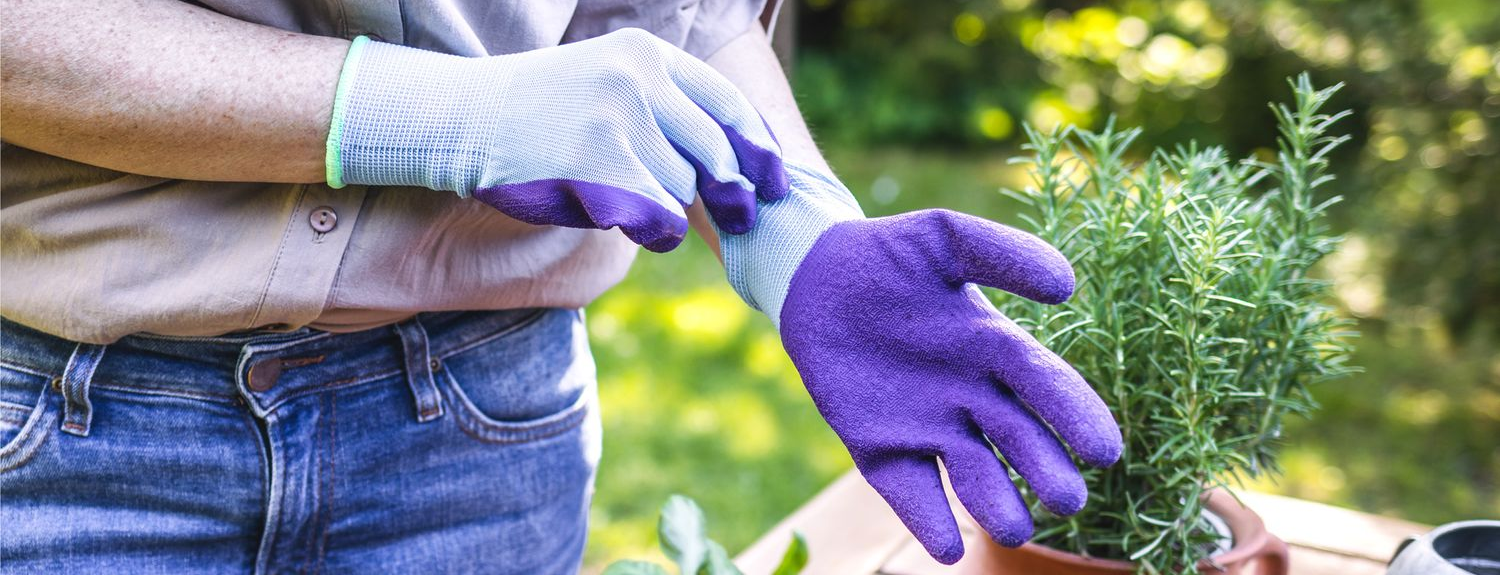
How to Choose the Most Suitable Gardening Gloves?
Choose the Right Glove Material Based on Your Needs
First, select gardening gloves according to your specific needs, work environment, and the potential hazards present in the tasks you perform. Below are some common types of gardening gloves:
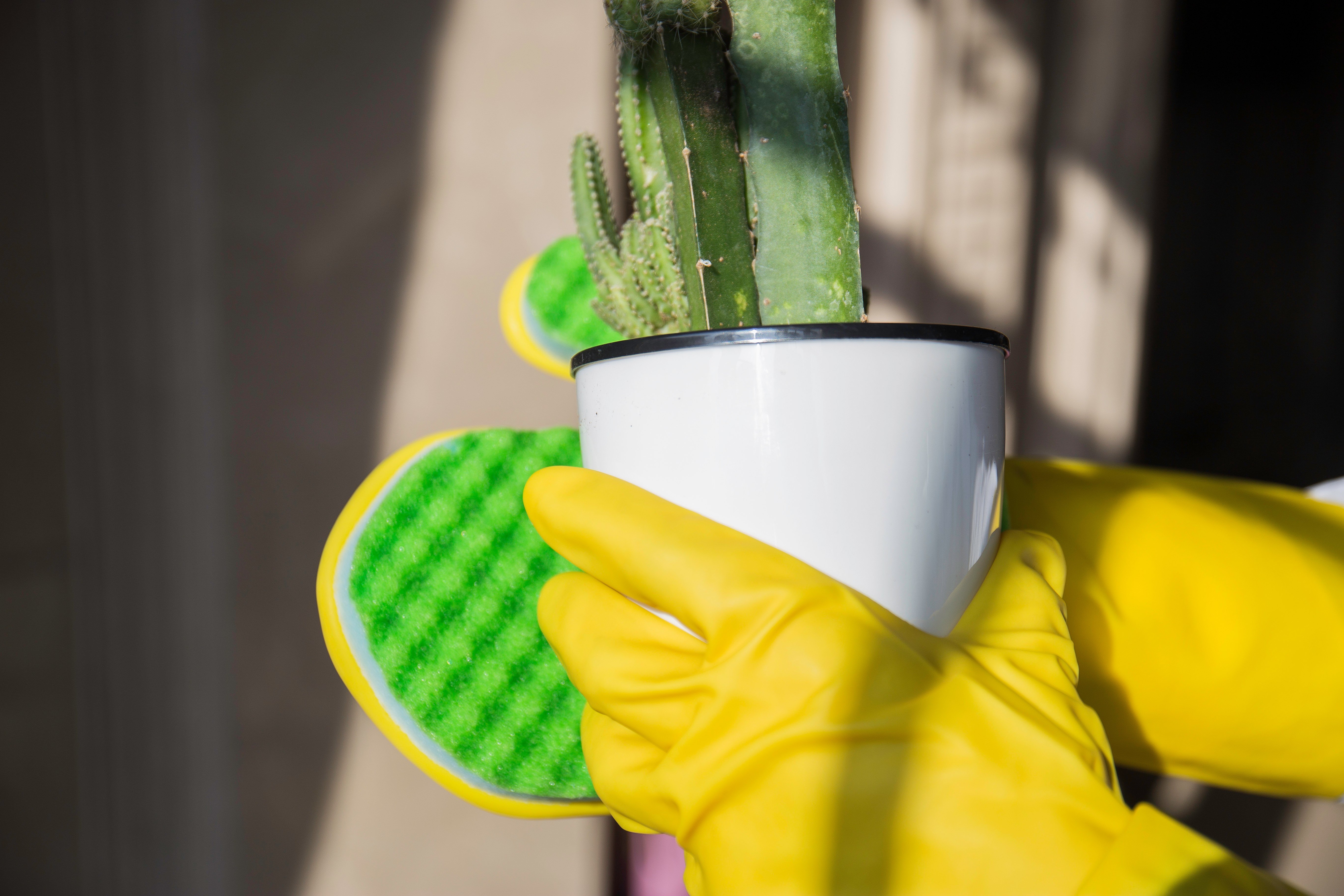
Luvas de látex
Luvas de látex are made from the sap extracted from Brazilian rubber trees. The sap undergoes a series of precise processing steps, including filtration and the addition of chemical additives. It is then coated onto glove molds, heated and cured, washed, rinsed, and further processed to create the final product. Latex gloves are a combination of natural latex and synthetic materials.
Latex gloves offer excellent elasticity and flexibility, allowing them to fit closely to the hands and provide exceptional dexterity. Their dense structure effectively prevents moisture from penetrating the glove interior while also helping isolate the hands from contaminants such as bacteria, viruses, dust, and liquids. They are suitable for planting, pruning flowers and leaves, fruit harvesting, fertilizing, and general gardening maintenance. 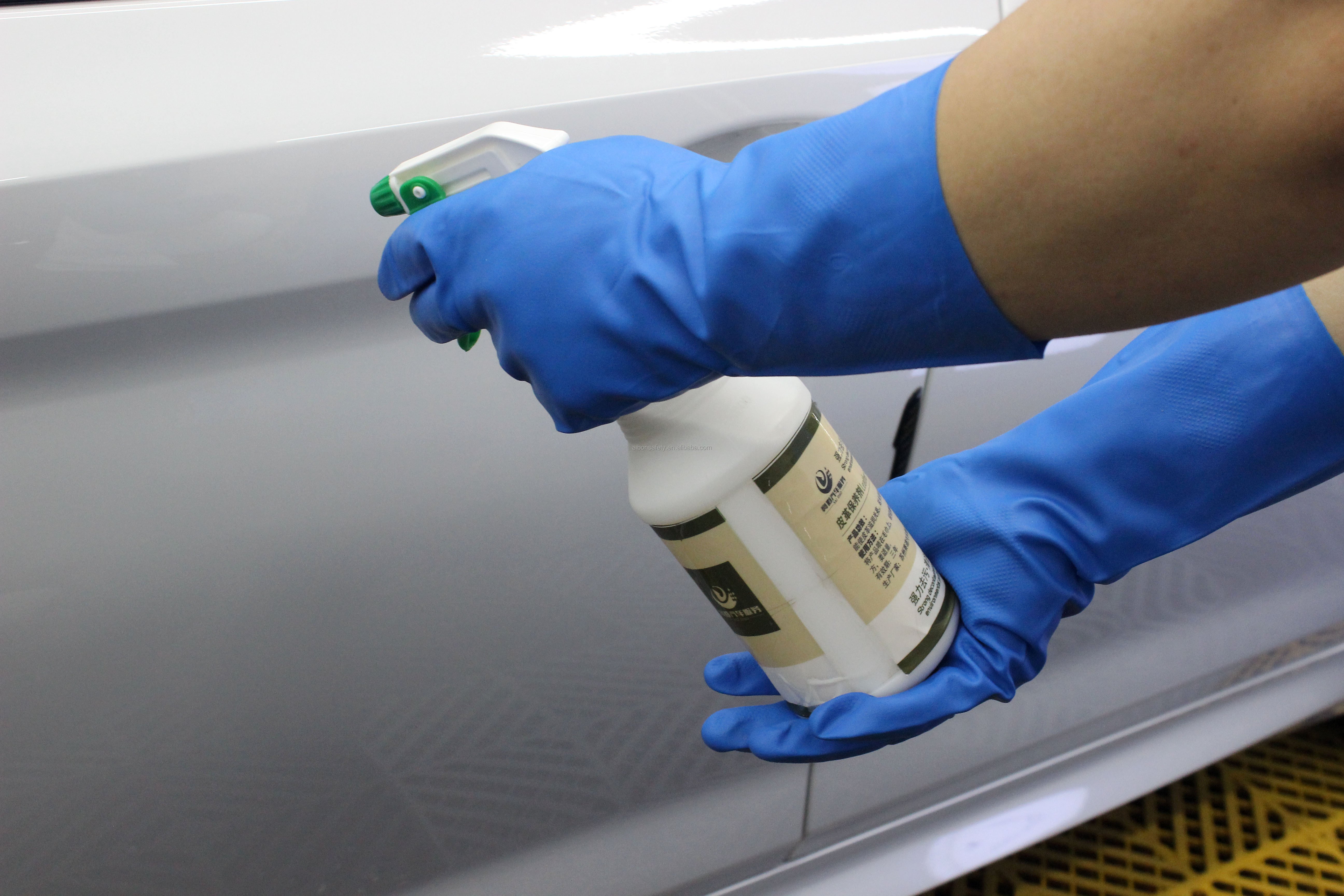
Luvas de nitrilo
Luvas de nitrilo are primarily made by polymerizing acrylonitrile and butadiene into nitrile rubber through an emulsion process. Vulcanizing agents, stabilizers, accelerators, pigments, and other additives are then incorporated. The gloves are formed on hand molds, vulcanized, cleaned, dried, and finally removed from the molds to create the finished product.
Nitrile gloves provide excellent chemical resistance and oil resistance. They effectively protect hands from oily substances such as engine oil, hydraulic oil, lubricants, and grease, as well as organic solvents such as cleaners and solvents. In addition, they offer a comfortable fit and maintain stable performance across a wide range of temperatures.
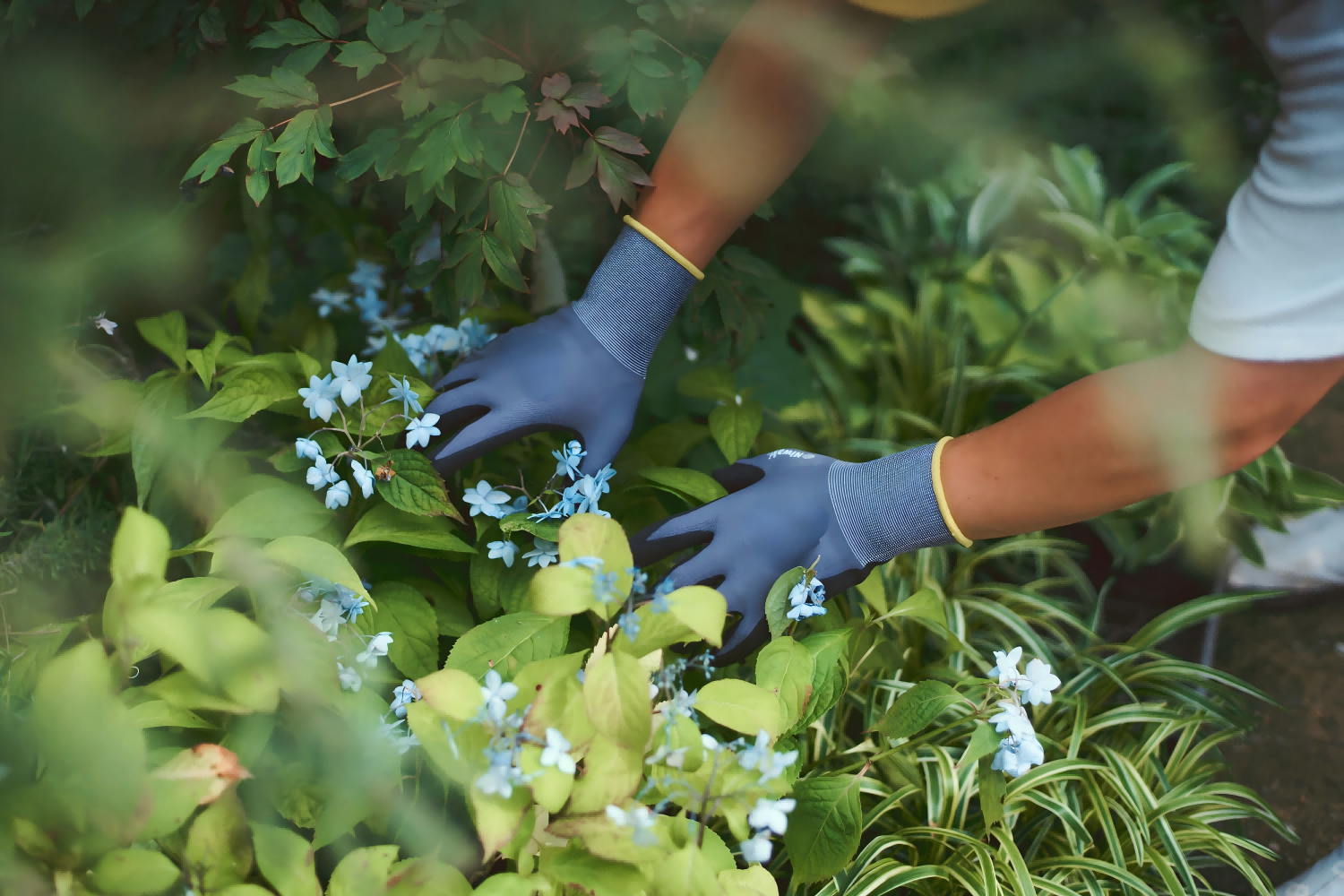
Luvas revestidas de látex
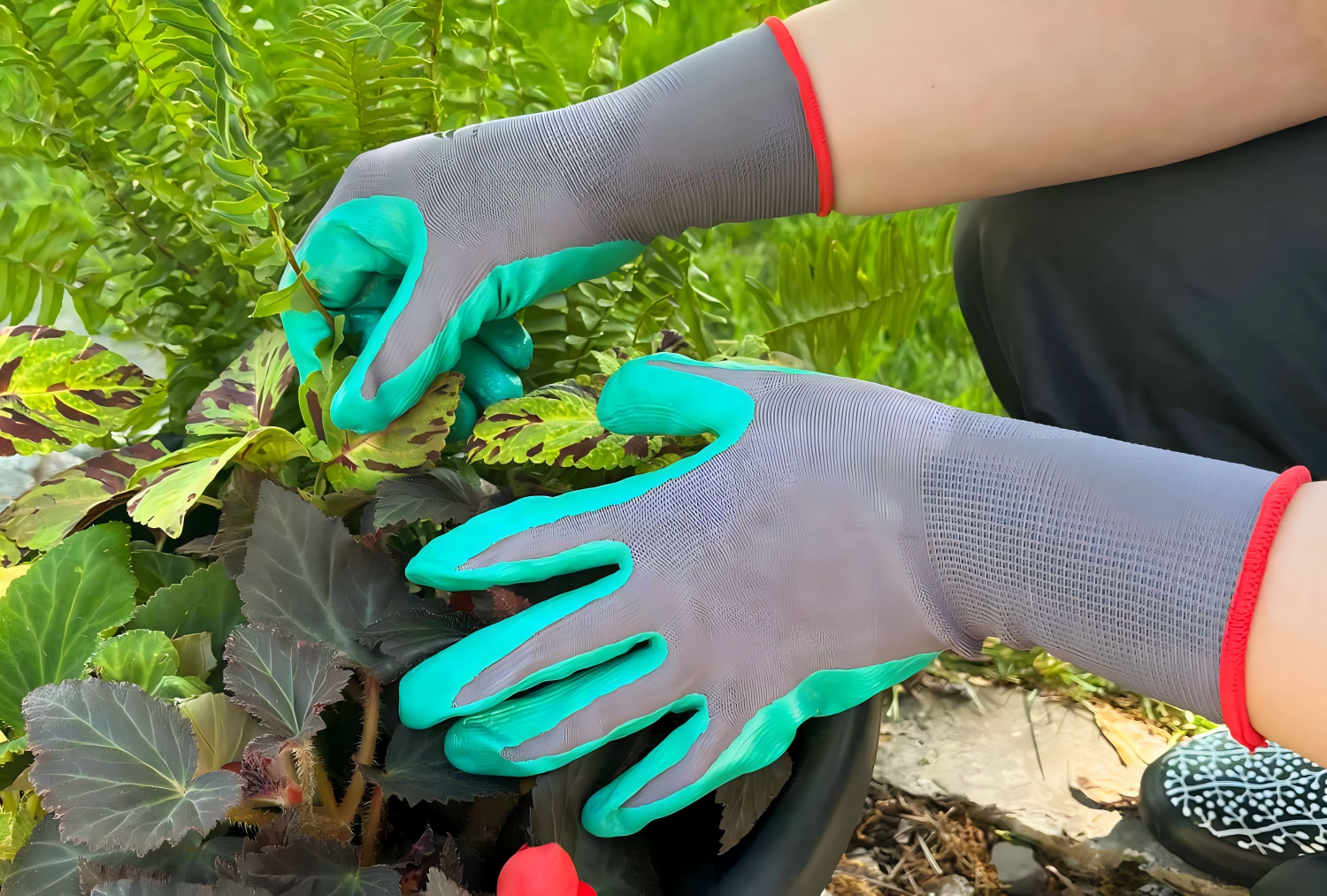
Luvas revestidas de látex provide outstanding grip and abrasion resistance. Their surfaces are often designed with special textures such as crinkle or foam coatings, ensuring a secure grip even in wet or oily environments, which helps extend the lifespan of the gloves.
In addition, latex-coated gloves offer excellent elasticity and comfort, allowing them to fit snugly around the hands. They remain comfortable even during extended wear and reduce hand fatigue. Their flexibility allows for precise movements, while their breathable construction helps minimize heat buildup. They are ideal for gardening activities such as weeding, soil cultivation, planting, watering, pruning plants, material handling, and seeding.
Luvas revestidas de nitrilo
Luvas revestidas de nitrilo offer superior chemical and oil resistance. They can provide protection against organic solvents such as cleaners, solvents, and pesticides, as well as chemicals like fertilizers and agricultural products. They also resist oily substances including lubricants, engine oil, and hydraulic oil.
In addition, nitrile-coated gloves feature excellent puncture resistance and abrasion resistance. They fit the natural contours of the hand, allowing for flexible movement and precise handling. Since nitrile does not contain natural latex proteins, these gloves are an excellent choice for individuals with latex allergies. They are highly suitable for gardening activities such as shrub pruning, landscaping work, tree planting, material handling, transplanting, fruit picking, branch trimming, fertilizing, watering, and pest control.
Choose the Correct Size
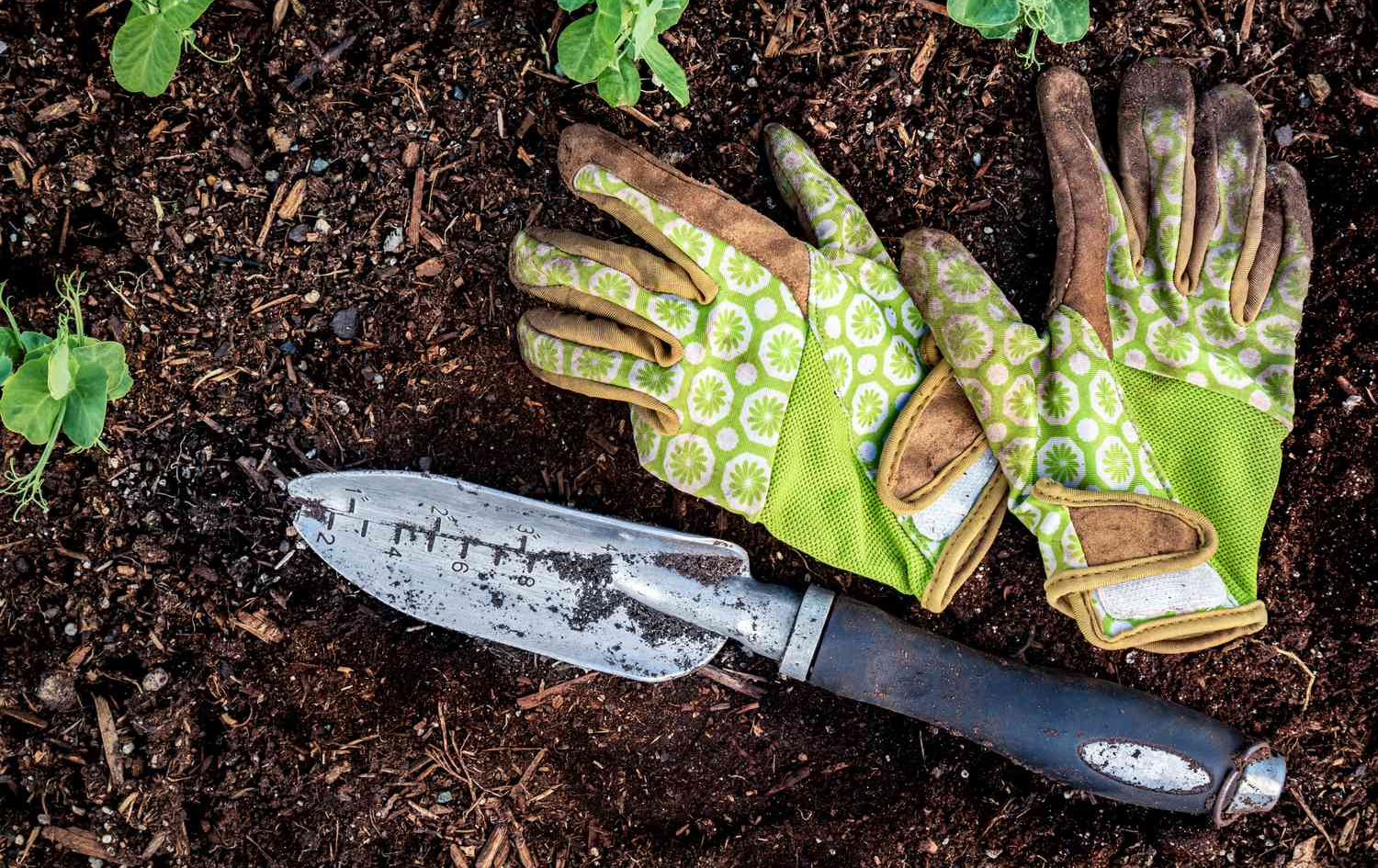
After selecting gardening gloves with the appropriate performance characteristics, choose the correct size based on your hand measurements. The gloves should fit snugly without being too large or too small, and without feeling too loose or too tight.
Ideally, suppliers should provide samples for testing or offer a detailed sizing chart for reference. Trust us—Aibon can provide free samples for your evaluation.
Check for International Certifications and Standards
Finally, choose gardening gloves that comply with recognized international certifications and standards. This helps ensure consistent product quality, supports product differentiation, and communicates professionalism, reliability, and compliance to your customers.
Certified gloves can also reduce customer complaints and protect your company’s reputation from issues caused by poor-quality products.
Environmental Requirements
As sustainability becomes increasingly important in countries around the world, environmental considerations have become a key factor when selecting gardening gloves. Therefore, ensuring that the gloves comply with local environmental regulations and standards is a reasonable and necessary requirement.

Conclusão
The right pair of luvas de jardinagem can effectively protect your hands while significantly improving work efficiency. Although selecting the ideal gloves requires considering multiple factors, it remains an essential investment for both safety and productivity.
If you are interested in gardening gloves or would like to purchase them, please Contate-nos today. Aibon will provide professional support and service throughout the entire process!
Como medir o tamanho das luvas – Fonte: AIBON
Luvas de látex– Fonte: AIBON
Luvas de segurança– Fonte: AIBON
Luvas de trabalho– Fonte: AIBON
Perguntas frequentes
Quais são as principais aplicações das luvas de jardinagem?
As luvas de jardinagem são usadas principalmente para jardinagem, manutenção de paisagismo, agricultura, poda de plantas, trabalhos leves ao ar livre e tarefas semelhantes.
Quão duráveis são as luvas de jardinagem?
A durabilidade das luvas depende do material e do design: luvas de nitrilo e revestidas de látex suportam trabalhos pesados, oferecendo alta resistência à abrasão e a rasgos, enquanto luvas de algodão são adequadas apenas para tarefas leves e têm uma vida útil relativamente mais curta.
Qual é o prazo de entrega para pedidos de luvas?
O ciclo de produção padrão para luvas comuns é de 30 a 60 dias, enquanto pedidos de luvas personalizadas em grande volume geralmente exigem de 60 a 90 dias. Para pedidos urgentes, podemos fornecer serviços de produção expressa dedicados para atender às suas necessidades de tempo. Os prazos de entrega acima não incluem o tempo de envio. A produção começa após a confirmação final da sua arte e dos seus designs.
Existem preços diferenciados ou políticas de desconto para compras em grande quantidade?
Oferecemos preços escalonados com base nas diferentes necessidades dos clientes, juntamente com políticas de desconto correspondentes, para nos ajudar a desenvolver o mercado e expandir nosso alcance.
Existem opções de luvas de jardinagem ecológicas ou sustentáveis?
Na Aibon, podemos fornecer luvas de jardinagem feitas de materiais recicláveis e ecológicos, que atendem aos padrões da UE e satisfazem a demanda do mercado por produtos sustentáveis e recicláveis.
 English
 Spanish
 Hindi
 Portuguese
 German
 Russian
 French
 Korean
 Japanese