


Whether in daily life or in the workplace, nitrile gloves are an indispensable piece of personal protective equipment. Nitrile gloves are mainly made by producing nitrile rubber through emulsion polymerization of acrylonitrile and butadiene, then adding additives such as vulcanizing agents, stabilizers, accelerators, and pigments. They are formed through processes such as hand mold forming, vulcanization, washing, and drying, and are finally demolded into the finished product.
However, nitrile gloves are not all-purpose. Using them in appropriate environments can greatly improve efficiency; otherwise, the consequences can be serious. So, in what situations should nitrile gloves not be used? Next, we will comprehensively answer this question for you.
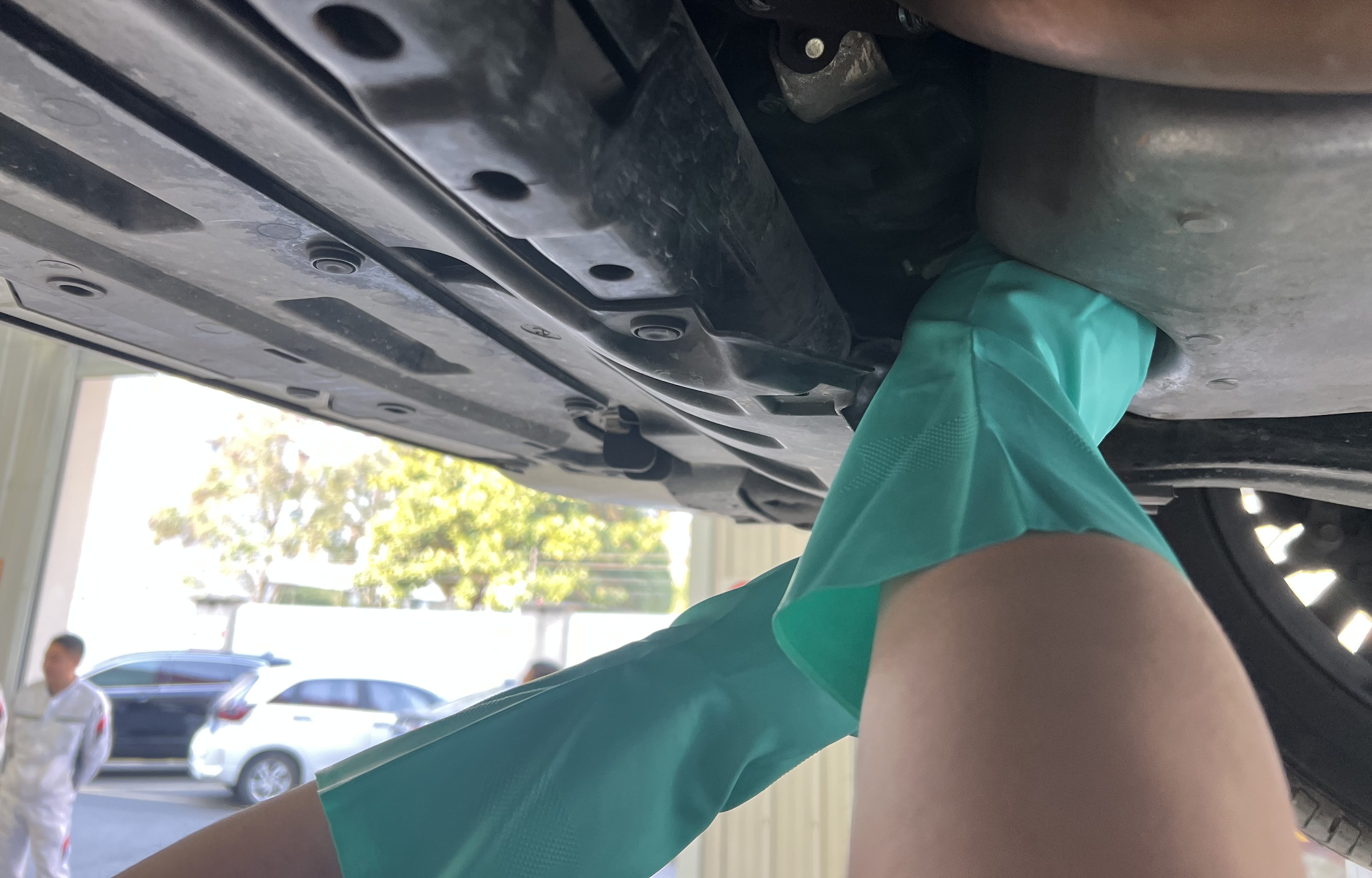
High-temperature environments
When the temperature continues to rise, the molecular structure of nitrile gloves will be severely damaged, leading to molecular chain breakage and oxidation reactions. As a result, the elasticity of nitrile gloves decreases, causing the gloves to become hard, brittle, and cracked, with reduced tensile strength, and even surface sticking, yellowing, deformation, and a decline in mechanical performance. This accelerates material fatigue and prevents the gloves from maintaining their original performance.
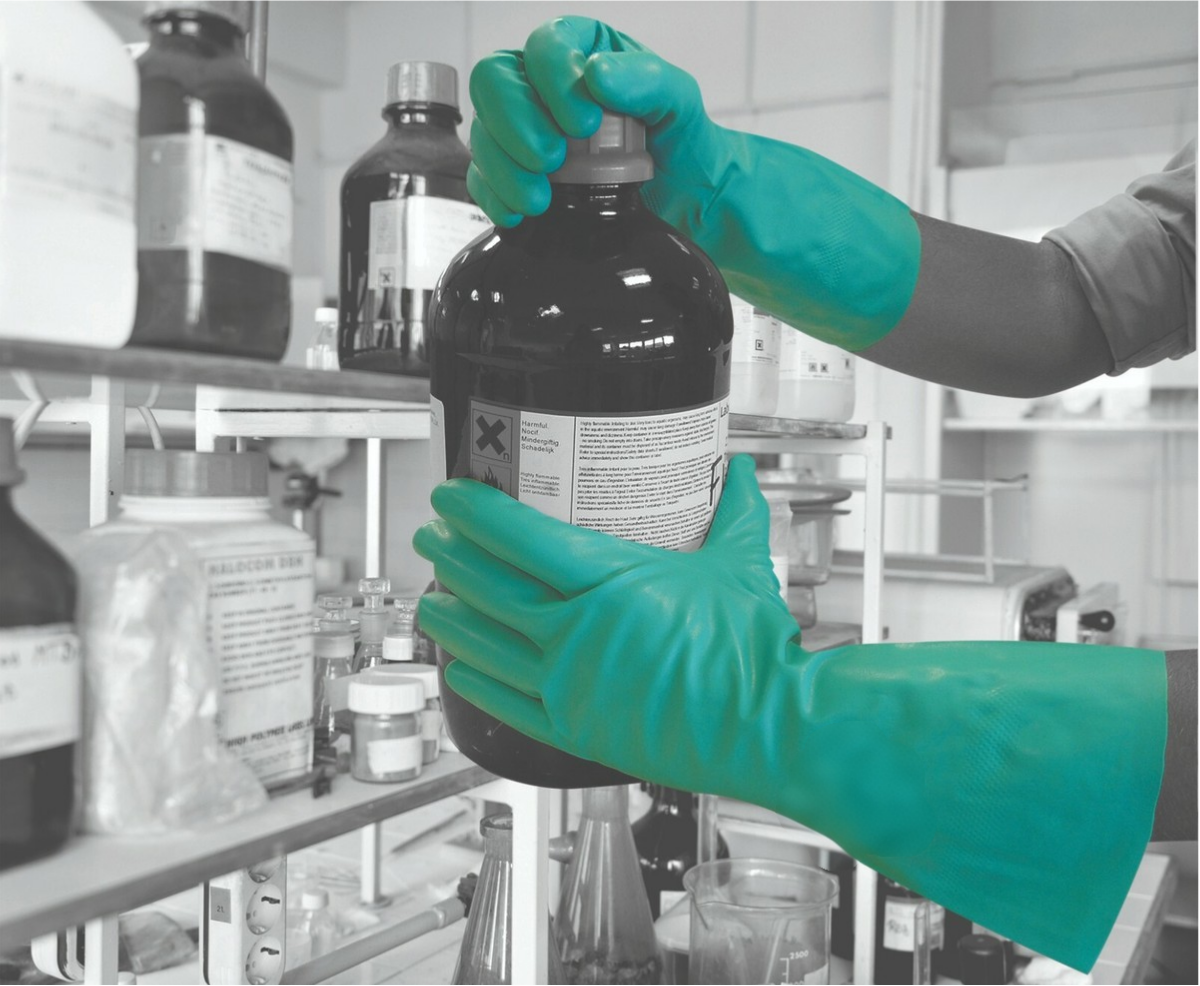
When handling strong corrosive and strong oxidizing chemicals
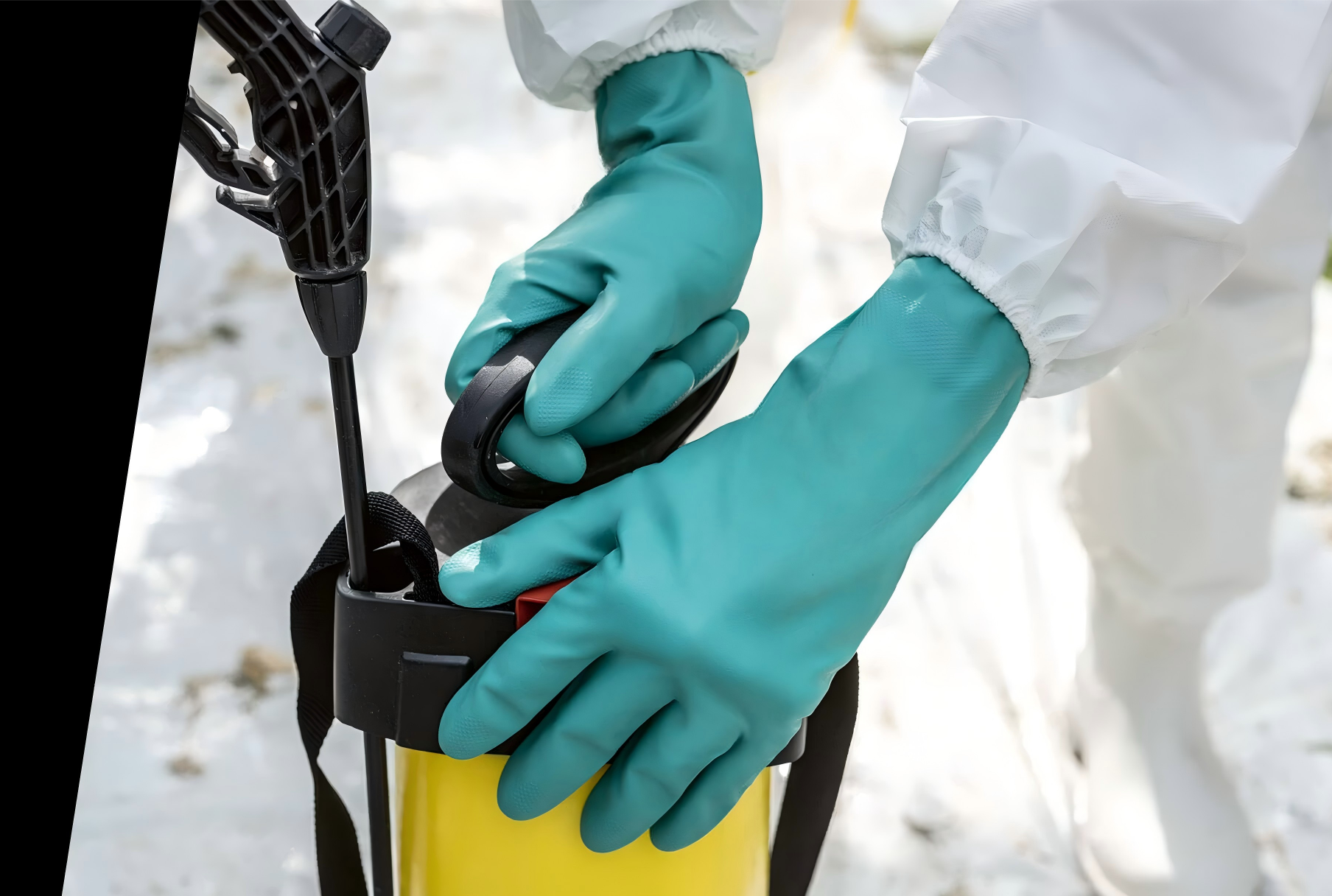
Although nitrile gloves have excellent chemical resistance, they cannot resist all chemicals. In particular, in environments involving strong acids, strong alkalis, and other highly corrosive chemicals, as well as acetone, concentrated nitric acid, acetate compounds, and other organic solvents and strong oxidizing chemicals, nitrile gloves can easily soften, swell, discolor, corrode, and even develop cracks and perforations. This renders their original protective performance ineffective, allowing chemicals to directly contact the skin and cause irreversible damage.
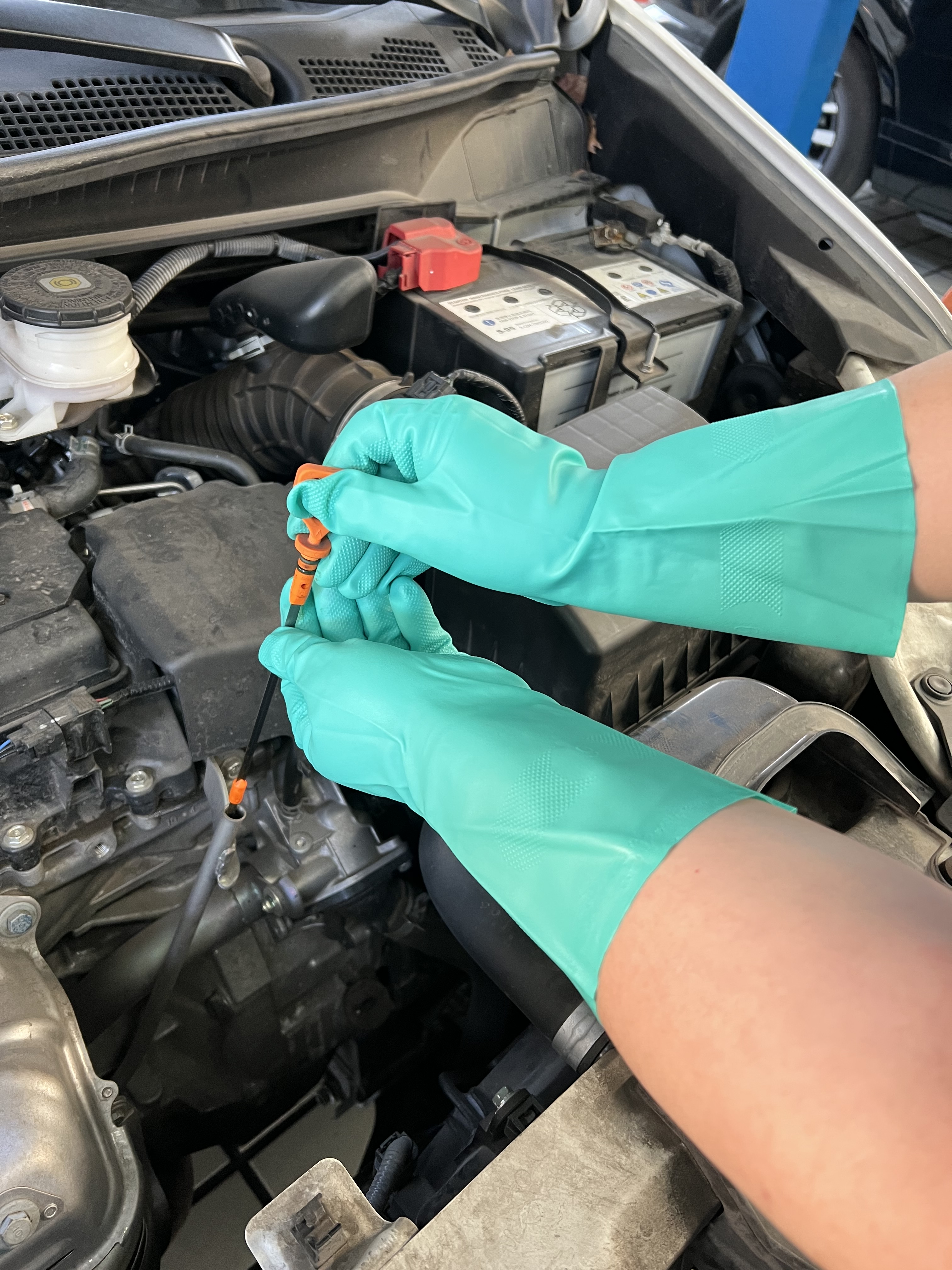
Long-term contact with sharp and pointed objects
Nitrile gloves are primarily designed for chemical protection, not professional cut resistance. Therefore, long-term contact with knives, blades, metal edges, glass, and other sharp objects can cause surface damage, cracks, abrasion, and even puncturing of the gloves, leading to unnecessary trouble and accidents.
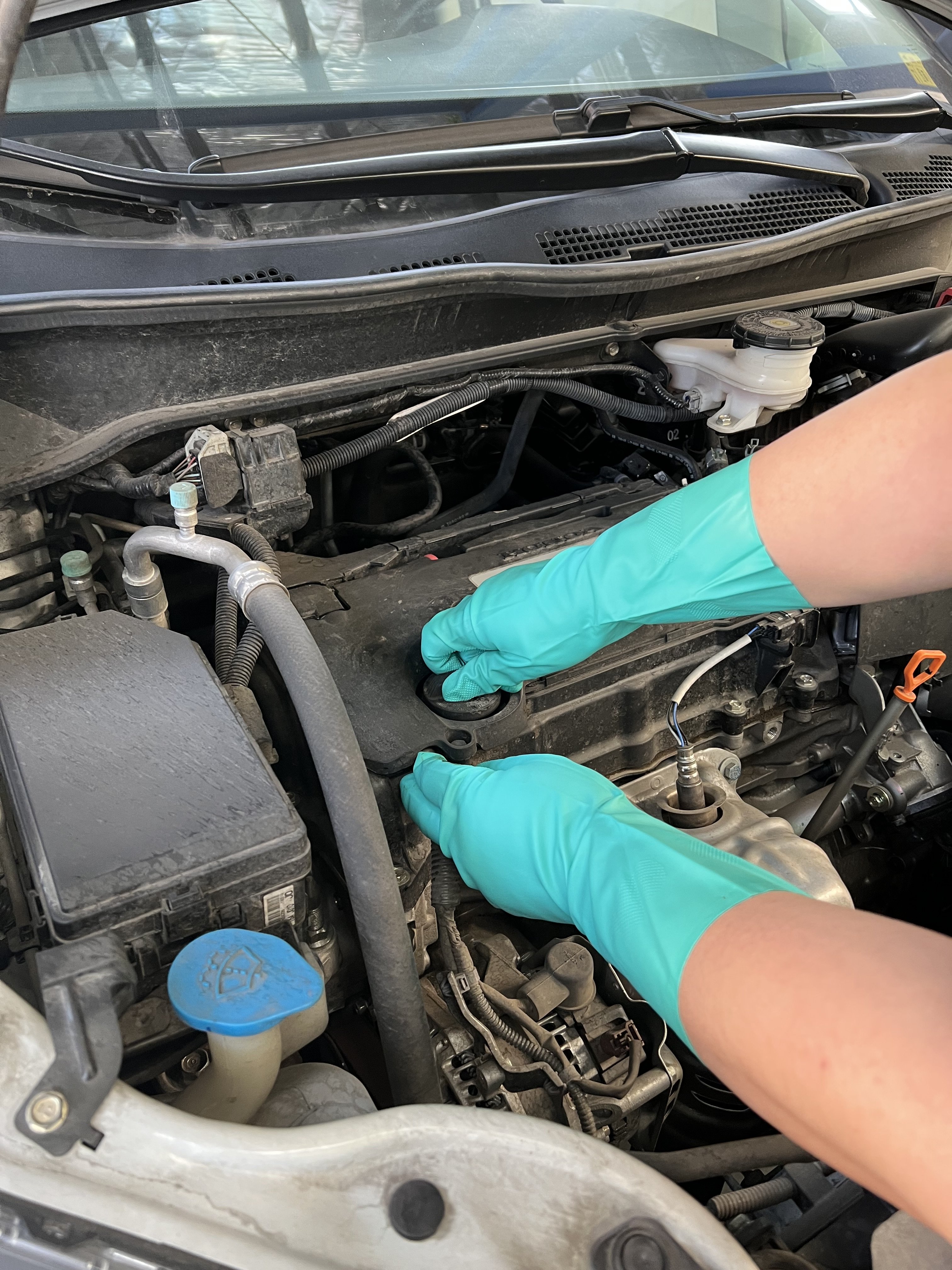
Skin allergies
Since nitrile gloves do not contain natural latex proteins, they are generally considered low-allergen gloves. Even so, a small number of people may still experience skin discomfort and allergic reactions during use and wearing. The main reasons include chemical additives used in production, powder residue, as well as prolonged sweating inside the gloves and using them on already damaged skin. These factors can irritate originally sensitive skin, leading to redness, itching, eczema, dermatitis, and other more serious skin problems.
Remember, no glove is truly universal, especially if your skin is sensitive. Repeated trials are often necessary to find the most suitable one for you.
Single-use and reusable use
Disposable nitrile gloves, as the name suggests, are for single use. To avoid cross-contamination, they should be discarded after opening and use, especially after contact with chemicals and contaminants; they should be properly removed and not reused.
Reusable nitrile gloves should be inspected immediately after use for any signs of damage. Any stains on the gloves should be cleaned immediately, then the gloves should be placed in a cool, dry place to air dry. Before reuse, the gloves should be checked again. If there is any damage or deterioration, stop using them immediately.
Conclusion
In summary, although nitrile gloves have excellent chemical resistance, oil resistance, abrasion resistance, and tear resistance, and are widely used, they are not all-purpose. Clearly understanding the limitations of nitrile gloves and prioritizing safety—knowing when they should not be used—is a safeguard for life and something you must understand.
If you still have any questions about nitrile gloves or are interested in purchasing them, please contact us as soon as possible. Aibon will provide you with full-service support!
How to Measure Glove Sizes – Source: AIBON
Latex gloves– Source: AIBON
Safety gloves– Source: AIBON
Working gloves– Source: AIBON
FAQ
Do you support personalized customization for wholesale orders?
Yes, we can customize your gloves according to your requirements, including glove color, weight, logo, packaging, and other specific specifications. As long as you provide your needs, we will deliver a satisfactory solution.
What is your MOQ for bulk or customized orders?
There is no minimum order quantity for standard products. For customized gloves, the minimum order quantity is calculated based on specific requirements. Please rest assured that we will do our best to help you obtain the best and highest-quality gloves possible.
What types of nitrile gloves do you offer?
The main products are reusable chemical nitrile gloves, industrial-grade chemical nitrile gloves, and disposable nitrile gloves. Of course, we also offer customization—whatever you need, we can make it.
After-Sales Service for Nitrile Gloves
If your gloves experience damage such as breakage, holes, leakage, or tearing, please contact us immediately. We will provide free replacements and offer preferential policies as appropriate compensation. We are fully committed to serving every customer and strive to deliver excellent service.
 English
 Spanish
 Hindi
 Portuguese
 German
 Russian
 French
 Korean
 Japanese