


In the eyes of most people, “waterproof” and “water-resistant” are often seen as the same thing. However, in reality, these two terms have significant differences both in function and in the scenarios in which they are used. Understanding these differences is especially important when selecting gloves. If you are not aware of the distinction, you might choose the wrong gloves, which could result in failing to achieve the expected protective effect during use. Therefore, we will explain the essential differences between “waterproof” and “water-resistant,” as well as their similarities and differences in rubber gloves.

Basic Concepts of Waterproof and Water-Resistant
“Waterproof” refers to the ability to completely block water molecules from penetrating. It ensures that the gloves remain dry and comfortable even after long periods of contact with water or being submerged in water.
Water-Resistant
“Water-resistant” refers to the ability of the gloves’ surface to resist brief contact with water, slowing the rate of water penetration. However, over time, water will still gradually seep in, especially when exposed to large amounts of water for extended periods.

Waterproof and Water-Resistant Rubber Gloves
Waterproof Rubber Gloves
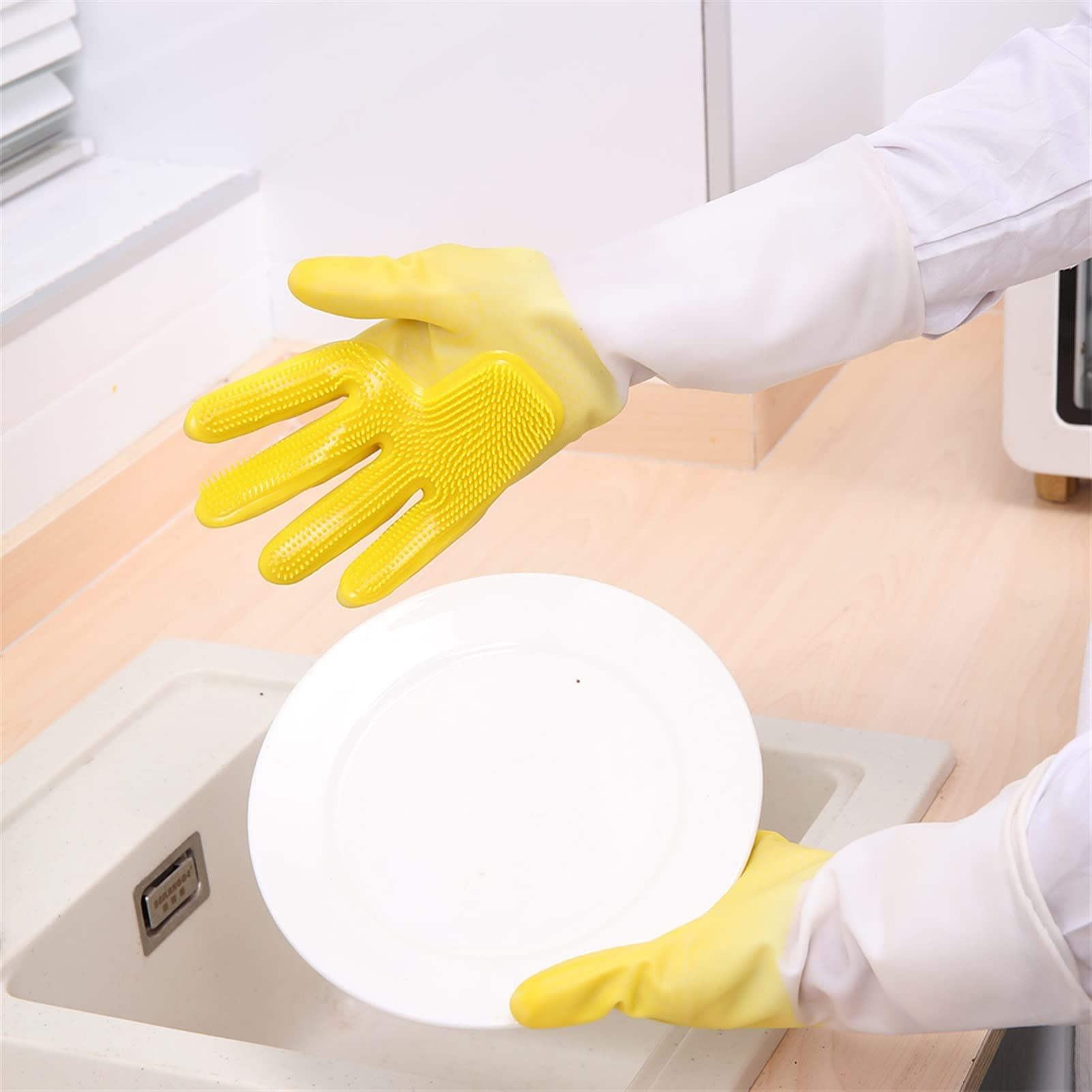
Rubber itself has a strong waterproofing ability. Most rubber gloves have a certain level of waterproof capability that can effectively prevent water penetration. However, if the gloves are designed to be thin or have cracks, their waterproof performance will be significantly reduced. In addition, the strong waterproof properties may result in poor breathability, and wearing rubber gloves for a long time may cause discomfort to the hands.
Water-Resistant Rubber Gloves
The water-resistant capability of rubber gloves mainly depends on the surface treatment and thickness of the gloves. The surface of rubber gloves is usually smooth, making it difficult for water droplets to penetrate. Instead, water slides off the glove surface. This can prevent water droplets or minor liquid contact with the hands. Some gloves may use special coatings and surface treatments to enhance their water-repellent properties. However, this capability has limitations. When the gloves are exposed to water for an extended period, water will eventually seep through.

Testing and Classification of Rubber Gloves’ Waterproof Performance
To ensure the gloves are effective in waterproofing, standardized tests are typically used to assess their performance. These tests not only check whether the gloves conform to national standards but also help you choose the most suitable gloves.
The penetration detection methods commonly used in EN374 standards include water leakage filling and air-blowing/air pressure + water bath inspection. The water leakage filling method involves sealing the gloves, injecting a specified volume of water, and observing if there is any water penetration or leakage within the set time. This test mainly checks for defects such as holes or gaps in the gloves that may have been left during manufacturing.
The air-blowing/air pressure + water bath test involves inflating the gloves to a specified air pressure and then immersing them in water to observe if any air bubbles escape. This helps detect small holes in the gloves.
These tests not only verify the actual waterproof performance of the rubber gloves but also ensure that harmful substances are effectively blocked. When selecting the right rubber gloves, these tests are crucial for making an informed choice.
Zusammenfassung
Understanding the essential differences between “waterproof” and “water-resistant” will help you select the right rubber gloves based on your specific needs.
If you’re interested in rubber gloves, please contact us as soon as possible. Aibon will be happy to assist you throughout the process.
So messen Sie Handschuhgrößen – Quelle: AIBON
Latex-Handschuhe– Quelle: AIBON
Schutzhandschuhe– Quelle: AIBON
Arbeitshandschuhe– Quelle: AIBON
 English
 Spanish
 Hindi
 Portuguese
 German
 Russian
 French
 Korean
 Japanese