


Hand protection is essential in any working environment, especially when hands are exposed to various chemicals, which significantly increases the risk of hand injuries. Therefore, choosing a suitable chemical resistant glove that can provide perfect protection for your hands is crucial. In this article, we will provide a comprehensive guide on how to select the most suitable chemical resistant gloves for your hand protection needs, ensuring that you can choose the best and most appropriate gloves during the purchasing process.

Understand the Types of Chemicals That Need Protection
When selecting suitable chemical resistant gloves, the first step is to identify the chemicals or chemical substances you may come into contact with during work or while using the gloves. You need to understand the chemical concentration, exposure time, temperature, and humidity conditions during use, as well as whether long-term immersion or frequent chemical contact is required. This will help determine which glove material can provide the best protection and prevent chemicals from harming your hands.

Choose the Material of Chemical Resistant Gloves Based on the Chemicals You Need Protection Against
After determining the types of chemicals that the gloves will be exposed to during use, you can select glove materials that can effectively prevent direct contact between chemicals and your hands. Different materials of chemical resistant gloves provide resistance against different types of chemicals. Below, we will introduce several common materials used for chemical resistant gloves.
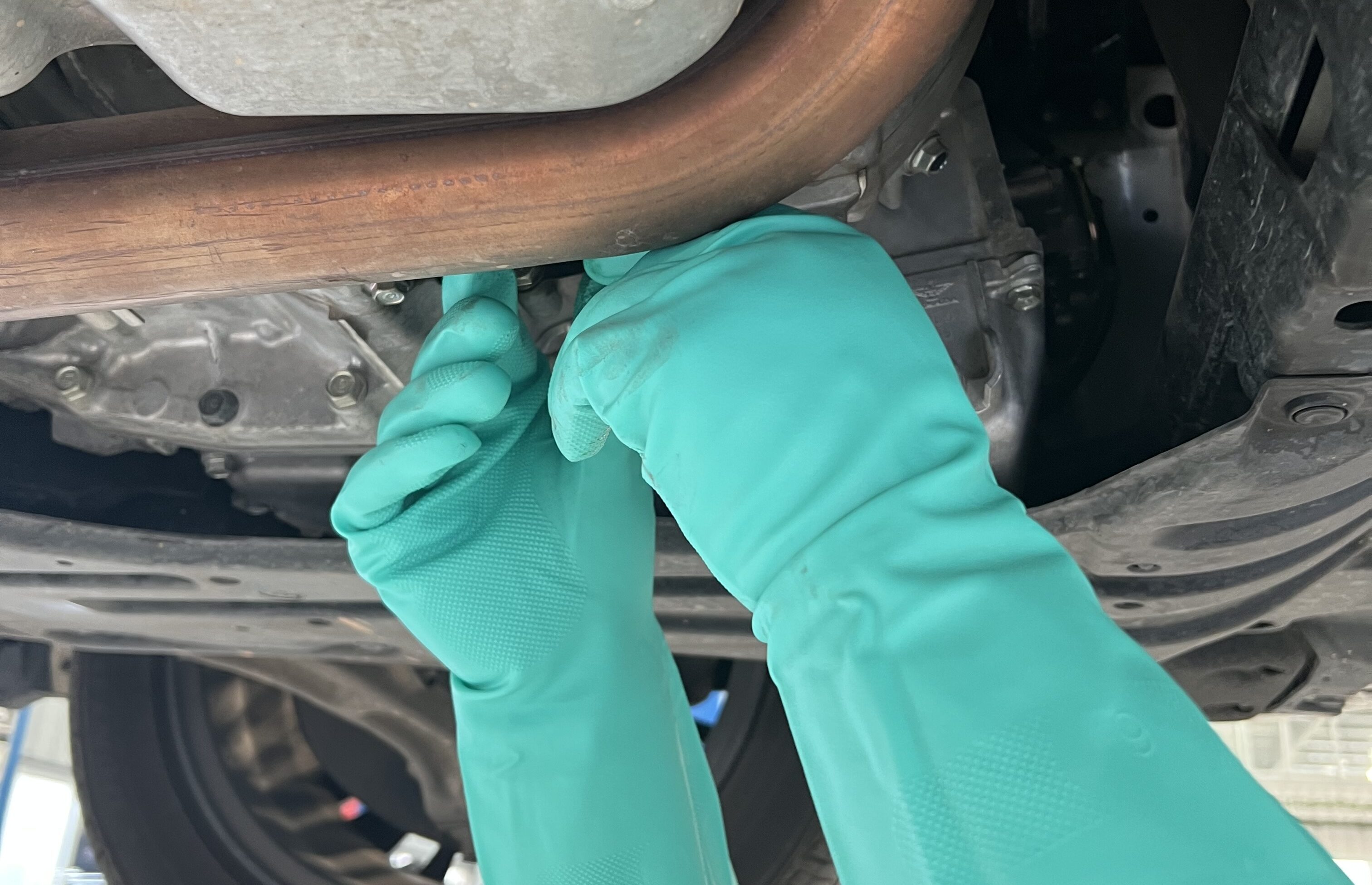
Nitrile Chemical Resistant Gloves
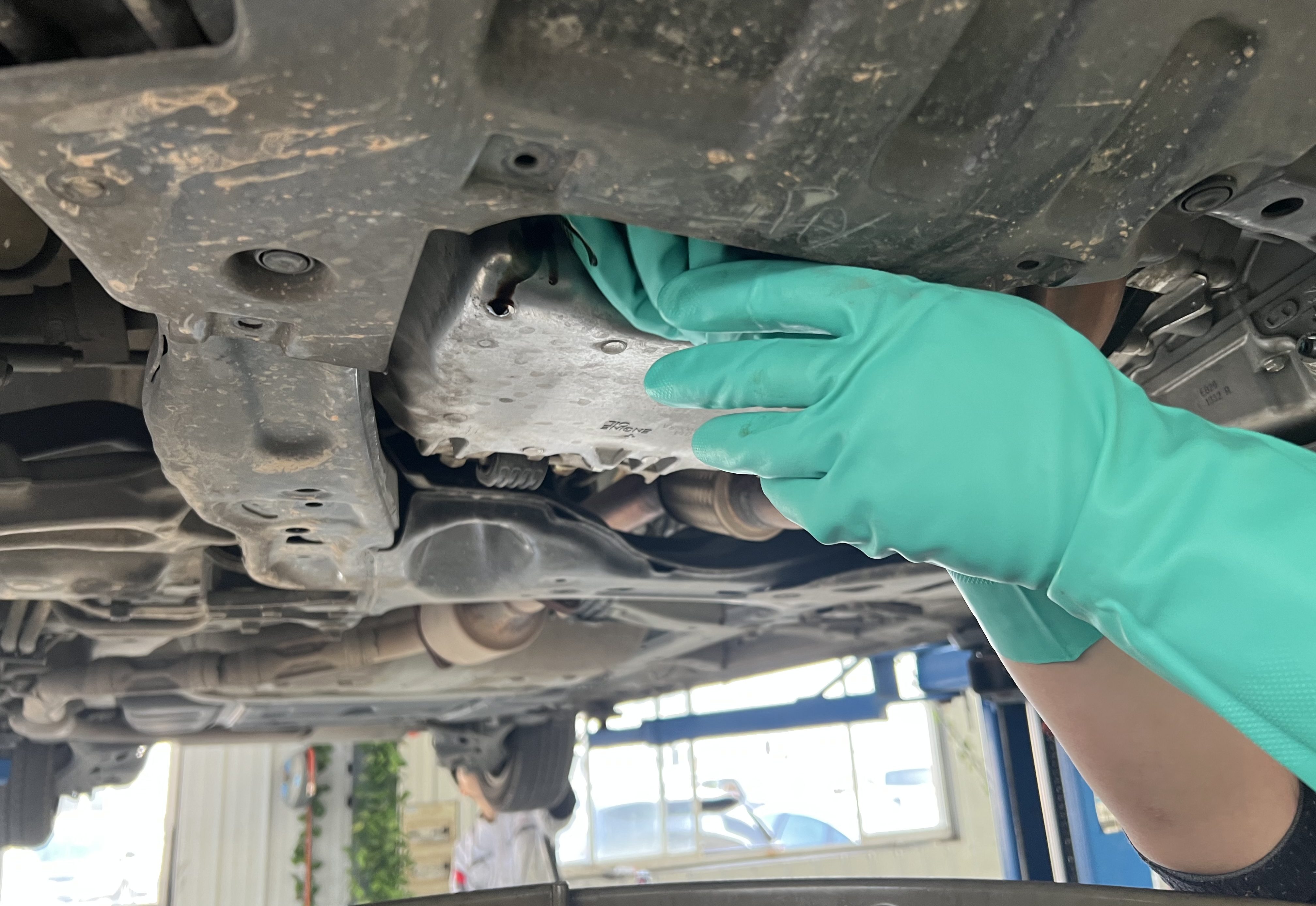
Nitrile chemical resistant gloves not only provide excellent chemical resistance and oil resistance but can also withstand low-concentration acids, alkalis, oils, grease, organic solvents, alcohol-based solvents, and agricultural chemicals. They also offer outstanding tear resistance and abrasion resistance, making them comfortable and easy to wear. These gloves are widely used in industries such as automotive repair and manufacturing, chemical plants, oil and energy industries, laboratories, food processing, agricultural handling, and industrial cleaning and maintenance.
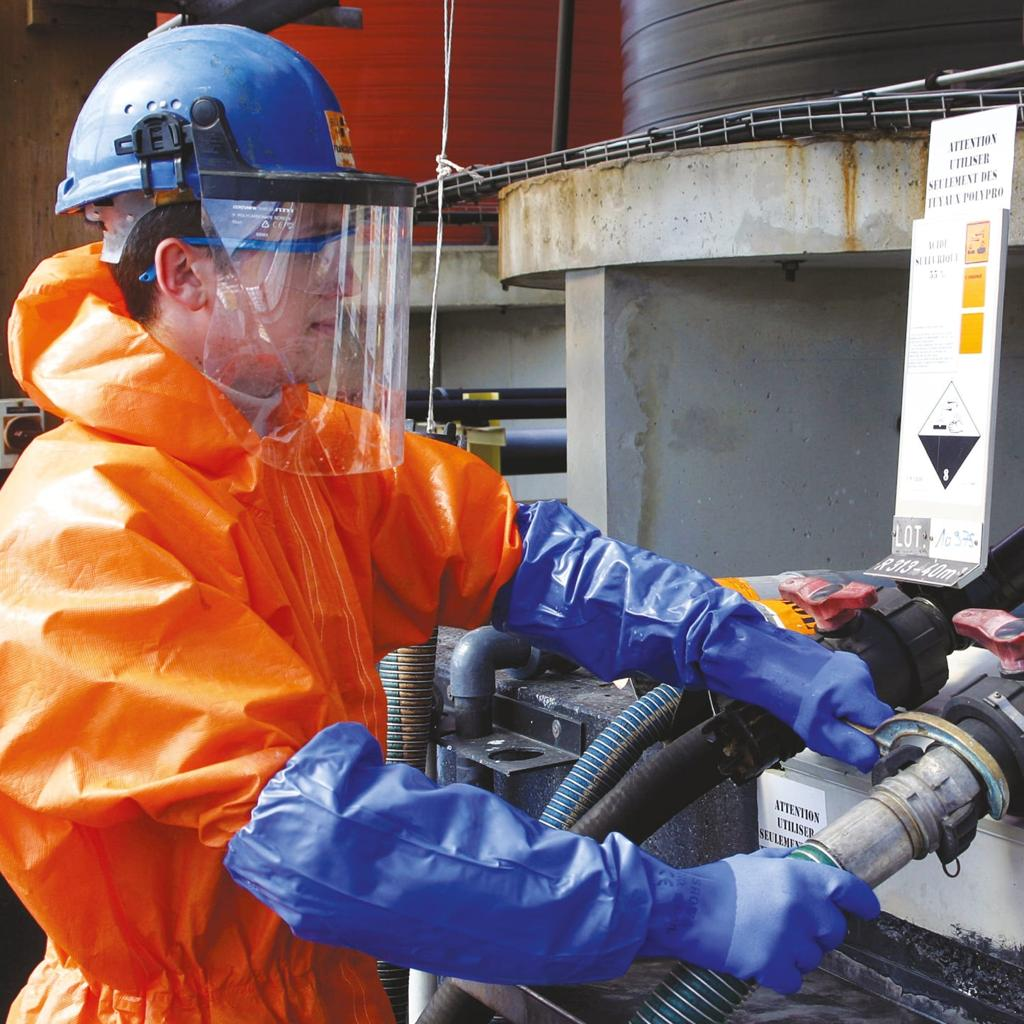
PVC Chemical Resistant Gloves
PVC chemical resistant gloves provide excellent liquid penetration resistance, effectively preventing harmful chemicals such as acids, alkalis, salt solutions, organic solvents, and various chemical additives from directly contacting the hands. They are highly suitable for applications in industries such as chemical manufacturing, wastewater treatment plants, water quality testing and water treatment, food processing, agriculture and gardening, and metal processing.
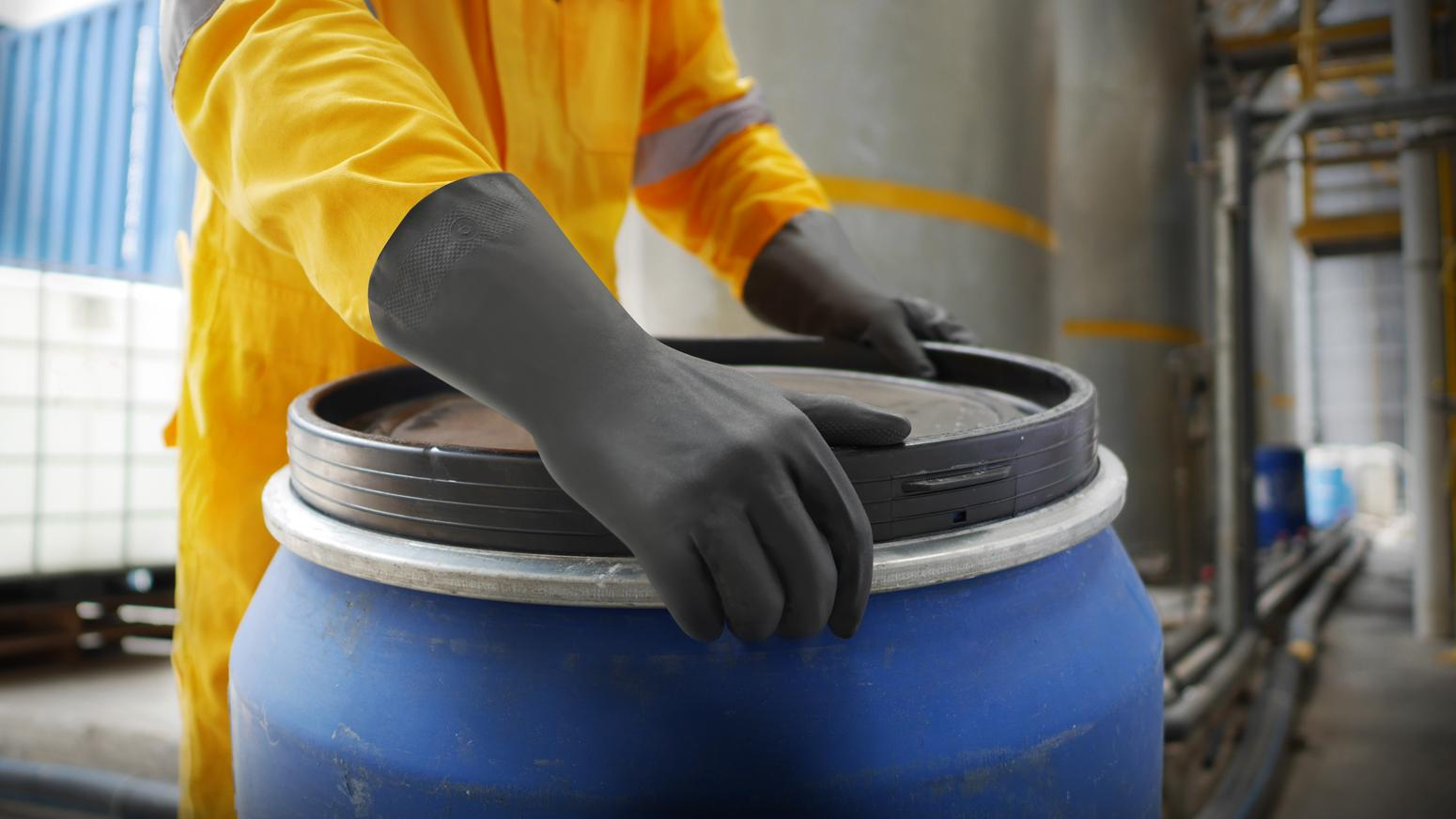
Neoprene Chemical Resistant Gloves
Neoprene chemical resistant gloves provide excellent overall protection. They offer outstanding chemical resistance against acids, alkalis, alcohol-based chemicals, lubricating oils, hydraulic oils, special industrial chemicals such as refrigerants, and organic solvents. They also combine flexibility, durability, and resistance to certain temperature changes. These gloves are widely used in industries such as chemical manufacturing, laboratories, oil and energy, industrial cleaning and equipment maintenance, pharmaceutical manufacturing, metal processing, and water treatment.
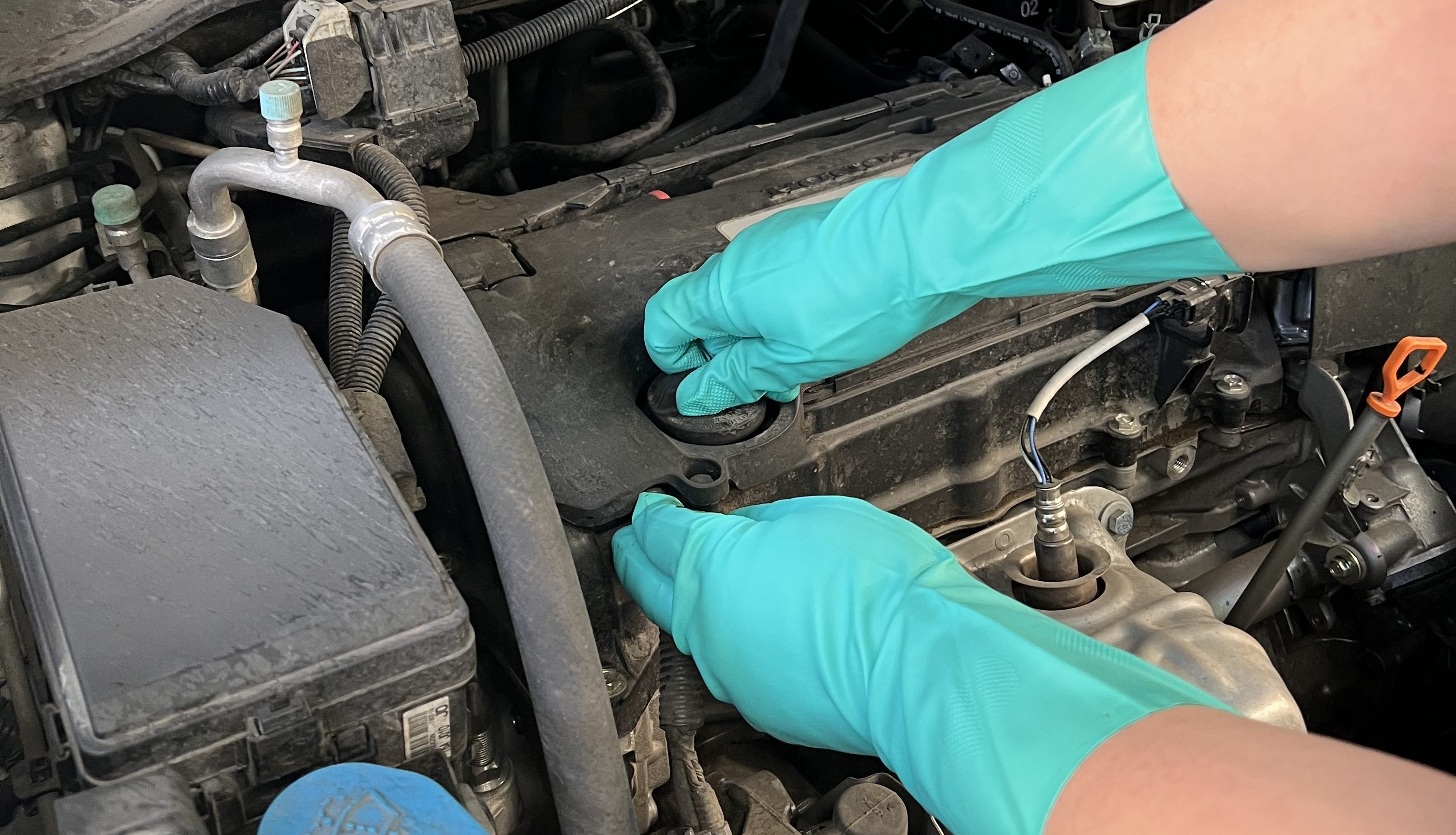
Select Glove Thickness Based on the Working Environment
After determining the appropriate glove material, you should select the glove thickness according to the types of chemicals and the duration of chemical exposure during use. Generally, thicker chemical resistant gloves provide longer protection time and better durability, but they may have limitations in flexibility and dexterity. In contrast, thinner chemical resistant gloves offer excellent flexibility and operational performance but cannot provide the same level of durability and protection time. Therefore, you need to choose the most suitable glove thickness to achieve a proper balance between your protection requirements and operational performance.
Pay Attention to Glove Protection Standards
After selecting suitable chemical resistant gloves, you should also pay attention to whether the glove supplier complies with the access standards of your country or region and relevant international certification standards. The primary standard for chemical resistant gloves is the EN374 chemical protection standard, which evaluates the glove’s resistance to chemical permeation, protection level, and the duration of chemical contact that the gloves can withstand.
Choose Chemical Resistant Gloves Based on the Relevant Industry
If you are unable to determine all of the above factors and therefore cannot select the most suitable chemical resistant gloves, you can inform the supplier about the application scenarios where the gloves will be used. They can recommend the most suitable chemical resistant gloves according to your working environment. Aibon can provide this professional support as well.
Häufig gestellte Fragen
What is the difference between chemical resistant gloves and ordinary work gloves?
Chemical resistant gloves are specifically designed to prevent chemical penetration, with a greater focus on protecting hands from chemical hazards. In contrast, ordinary work gloves mainly focus on providing basic hand protection.
How often do chemical resistant gloves need to be replaced?
The replacement frequency of chemical resistant gloves mainly depends on the types of chemicals they are exposed to in the working environment, the duration of chemical contact, and the material of the chemical resistant gloves themselves.
Why do chemical resistant gloves become stiff or swell after use?
Yes, this can happen. This situation usually occurs because the molecules in the glove material react with certain chemicals, causing changes in the glove structure. Therefore, choosing the right glove material is extremely important.
Can chemical resistant gloves be cleaned and reused?
Yes, they can be reused in some cases. However, gloves must be properly cleaned according to the types of chemicals they have been exposed to and the cleaning recommendations provided by the supplier before reuse. Of course, if the supplier states that a specific glove model is not reusable, you should follow the supplier’s instructions and stop using them immediately.
How long does it take to produce chemical resistant gloves?
The production time of chemical resistant gloves mainly depends on the glove specifications, order quantity, customization requirements, and raw material availability. Generally, suppliers will inform buyers of the estimated delivery time in advance or provide a customized production schedule to help customers clearly understand the manufacturing progress. Aibon can also provide this service. By choosing us, we will create a customized production solution specifically for your needs.
Finale
Choosing the most suitable chemical resistant gloves for your hand protection needs not only ensures the safety of your hands but also helps improve work efficiency, making it an important decision that benefits both safety and productivity. Aibon provides customized chemical resistant glove solutions for different industrial applications, allowing you to eliminate the concerns of choosing the right gloves. Contact us today, and Aibon will become your trusted partner for professional hand protection solutions.
So messen Sie Handschuhgrößen – Quelle: AIBON
Leitfaden zur Chemikalienbeständigkeit: Die Bedeutung von Nitrilhandschuhen– Quelle: AIBON
Schnittfeste Schutzhandschuhe– Quelle: AIBON
Arbeitshandschuhe– Quelle: AIBON
 English
 Spanish
 Hindi
 Portuguese
 German
 Russian
 French
 Korean
 Japanese