


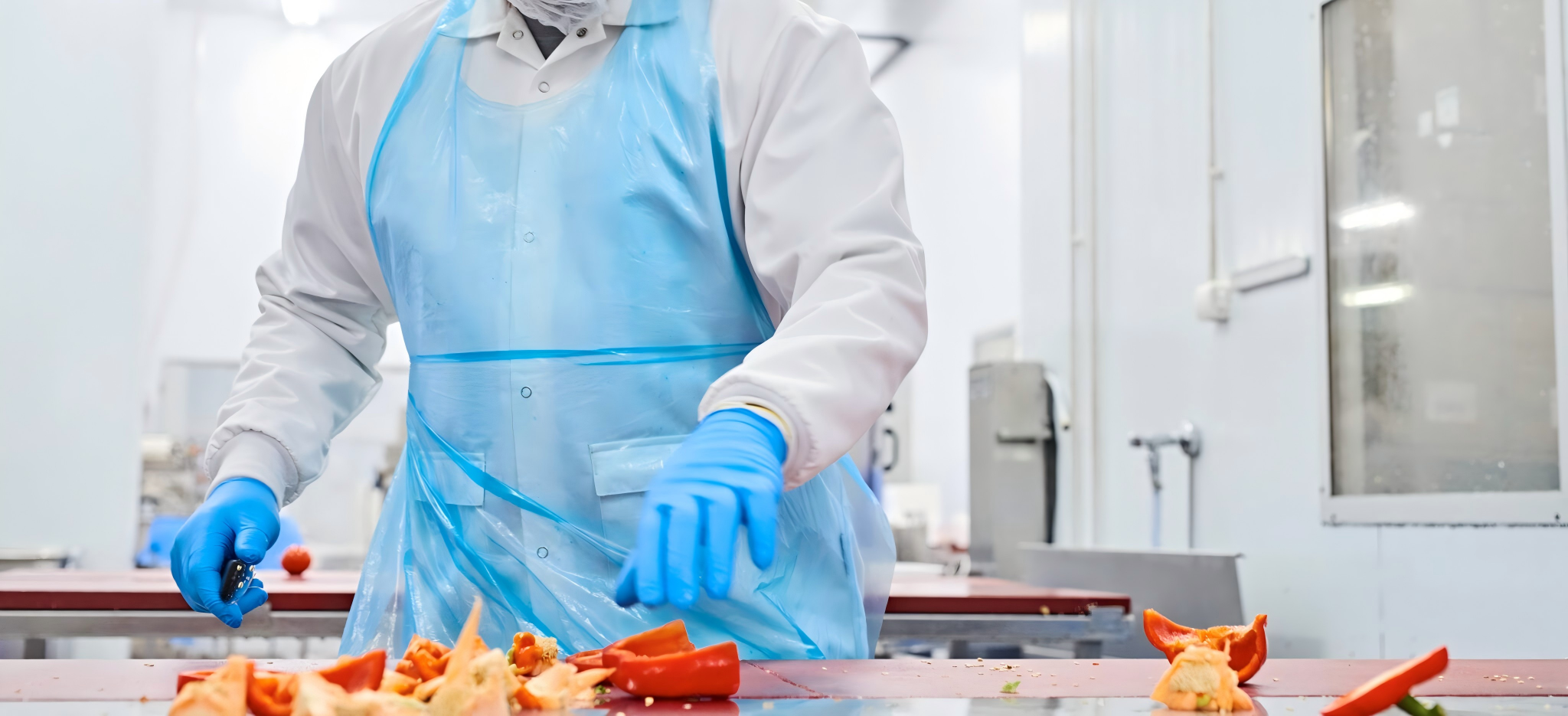
Delantal para el procesamiento de alimentos
Food processing aprons are protective garments specifically designed for food processing workers. They are primarily used to prevent water, grease, blood, and other liquids and residues from penetrating through to contaminate the body and clothing, thereby helping meet safety and hygiene standards in food processing environments.
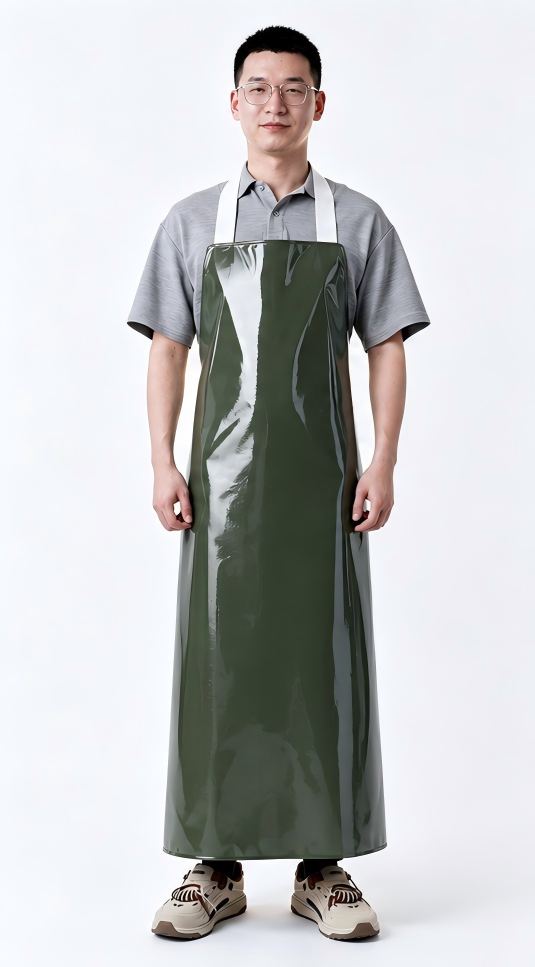
PVC food processing aprons are made from a continuous layer of PVC material with a specially designed structure. They can effectively block the penetration of water, blood, grease, food residues, and other liquids, providing excellent liquid resistance and waterproof protection. They can also effectively resist contaminants such as grease and animal fats generated during food processing and handling, helping prevent direct contact between contaminants and work clothing or skin.
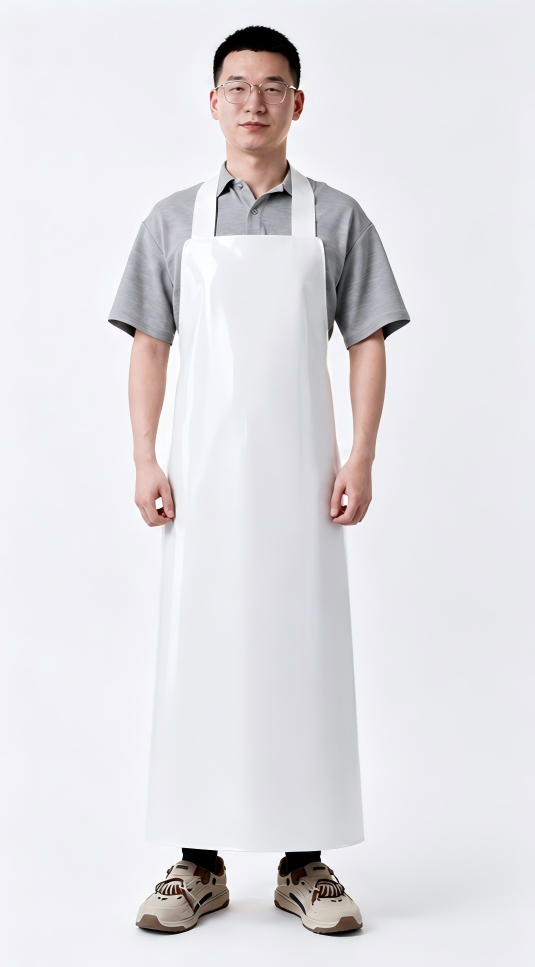
PU food processing aprons offer excellent waterproof and oil-resistant performance, with high flexibility that enhances body movement and maneuverability, reducing restrictions on freedom of movement. The smooth and relatively flat surface of PU aprons helps minimize the adhesion of grease, blood stains, and other contaminants, while preventing the penetration of water, fish fluids, meat juices, and other liquids. They are also easy to clean and maintain, making them suitable for extended wear and use.
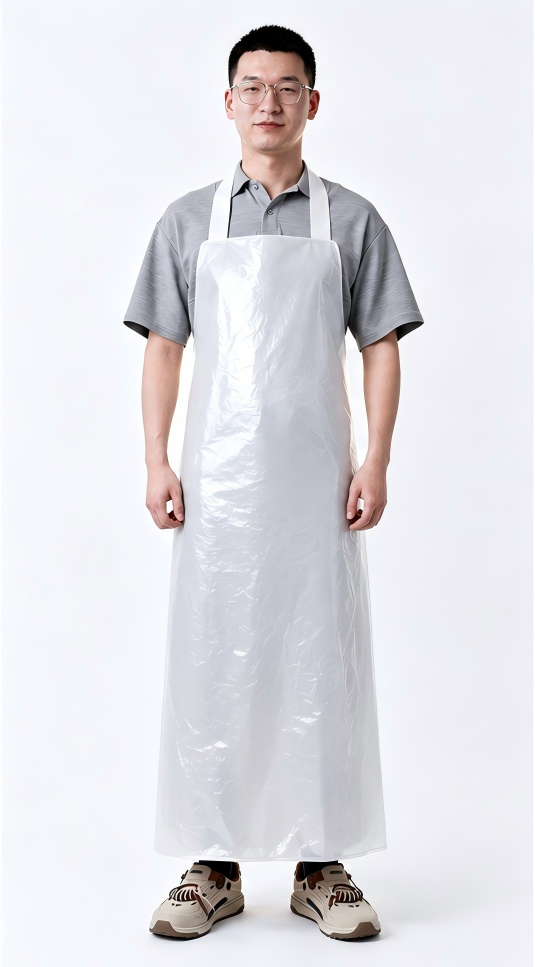
PE food processing aprons are typically made from lightweight plastic film. They are water-resistant and offer excellent waterproof and stain-resistant performance, while being lightweight and comfortable to wear, helping reduce fatigue during use. They can be replaced frequently to reduce the risk of cross-contamination and minimize the need for cleaning and maintenance. In addition, they feature a simple neck and waist tie design, making them quick and easy to put on and replace.
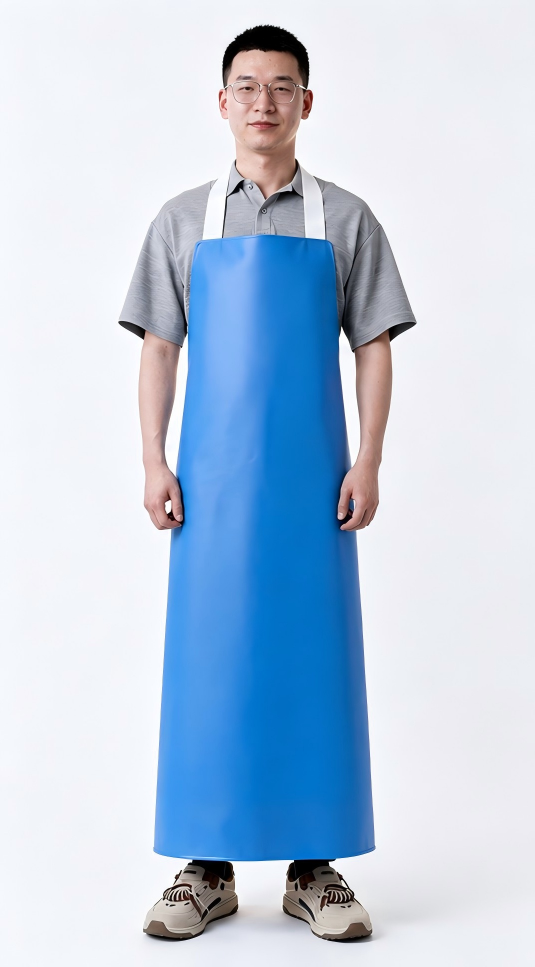
The surface of EVA food processing aprons is relatively smooth and flat, making them resistant to absorbing moisture and dirt and easy to clean and maintain. They are not only lightweight and comfortable to wear, with almost no sense of heaviness, but also offer a certain degree of low-temperature flexibility and oil resistance, effectively preventing grease, oil, and other oily substances from penetrating into the interior. They are perfectly suitable for extremely low-temperature and cold environments.
Features of Food Processing Safety Shoes
Excellent Resistance to Liquid Penetration
Food processing aprons generally feature a smooth surface that does not easily absorb water or contaminants. Combined with a continuous coating and specially designed structure, the dense surface forms an effective protective barrier that helps prevent water, blood, fish juices, meat juices, and other liquids from penetrating through, reducing unnecessary risks and discomfort.
Excellent Oil Resistance
Food processing aprons typically feature a dense molecular structure and low porosity, which can effectively reduce the spread of grease within the apron material, keeping grease on the surface. This helps prevent grease, animal fats, fish oil, and food residues from coming into direct contact with the skin and work clothing.
Comprehensive Protection with Flexible Wear
Food processing aprons can cover the chest, abdomen, front of the thighs, and even the knee area, providing more comprehensive protection. The neck and waist tie design makes them easy to adjust for different body shapes and users, helping reduce fatigue and discomfort during long-term use.
Fácil de limpiar y mantener
Food processing aprons create a protective barrier between the body and contaminants such as food, liquids, and processing residues. Stains are less likely to adhere to the surface, making the aprons easy to rinse, clean, and maintain on a daily basis, while reducing the workload associated with frequent replacement and cleaning.

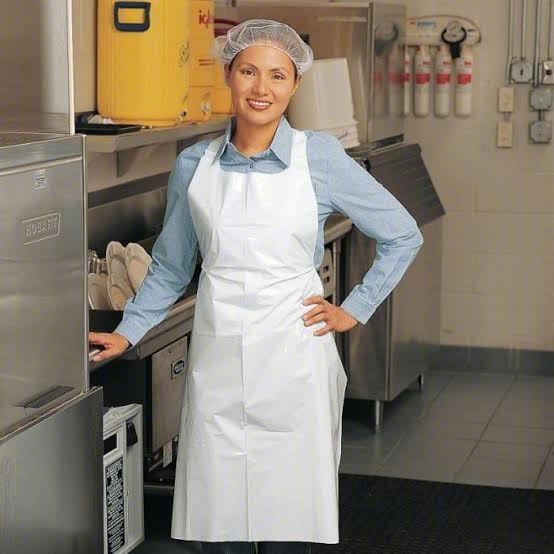
Applications of Food Processing Apron
Meat Processing
Food processing aprons are widely used in meat processing operations such as meat slaughtering and cutting, skinning, deboning, trimming, packaging, and sorting.
Seafood Processing
With excellent waterproof and liquid penetration resistance, food processing aprons are widely used in seafood processing operations such as fish scaling, shrimp, crab, and shellfish handling, as well as seafood sorting, cleaning, and packaging.
Fruit, Vegetable, and Dairy Processing
Food processing aprons are well suited for fruit, vegetable, and dairy processing and handling applications, including vegetable washing, cutting and sorting, fruit processing, fresh food handling, milk and dairy production, cheese, and yogurt processing.
Baking and Kitchen
Food processing aprons are widely used in bread, cake, and pastry production, as well as food preparation, cleaning, and other kitchen environments.
Servicios profesionales de Aibon
- Technical Specifications of Food Processing Aprons
| Especificación | Details |
|---|---|
| Product | Delantal para el procesamiento de alimentos |
| Material | TPU/PVC/EVA/PE |
| Impermeable | Sí |
| Oil Resistant | Sí |
| Reutilizable | Sí |
| Tallas | 80 × 110 cm; 90 × 140 cm; 140 × 100 cm; 130 × 130 cm |
| Espesor | 10, 15, 20, 25, 30, 35, 40, 55 μm |
| Embalaje | 1 pc/OPP bag, 50 pcs/carton |
| Country of Origin | China |
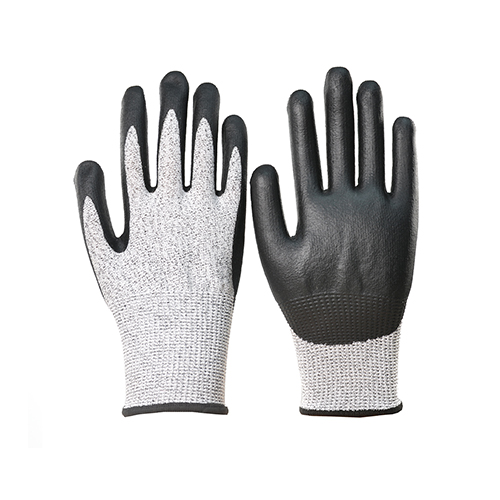
Yes. They can be used together with appropriate gloves, protective sleeves, safety shoes, head protection, masks, and other suitable protective equipment.
The service life of an apron mainly depends on factors such as the apron material, thickness, frequency of use, cleaning and maintenance methods, working environment, and the substances it comes into contact with.
The inspection frequency of food processing aprons should mainly be determined based on actual usage intensity, working environment, frequency of use, substances they come into contact with, and cleaning and maintenance methods.
Not necessarily. Apron thickness is only one factor that affects protective performance and is not necessarily the most important one. A thicker protective apron does not always provide better protection. Instead, the appropriate apron thickness should be selected according to your specific application and protection requirements.



 English
 Spanish
 Hindi
 Portuguese
 German
 Russian
 French
 Korean
 Japanese