


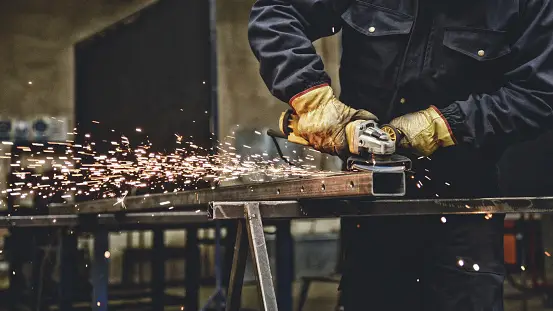
Gants de sécurité are an indispensable part of personal protective equipment (PPE). They can perfectly protect you from external harm to your hands. However, with so many styles of gloves, how can you choose the most suitable safety gloves for you?
There are many factors to consider when selecting the right safety gloves, but the most important are the glove material and the protection they can provide.
This article will introduce 8 common types of safety gloves to help you find the gloves that meet your needs.
Gants en coton/textile
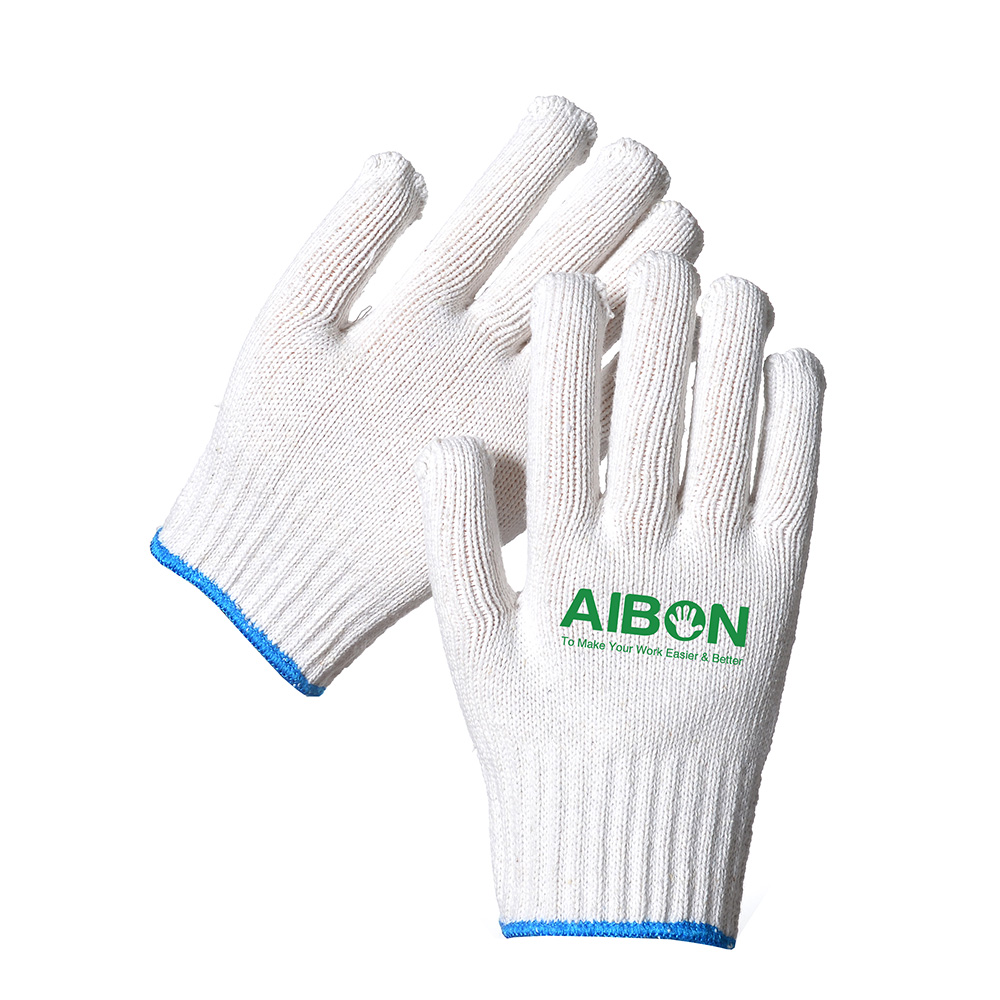
Gants en coton can be used alone or as liners for other gloves, or they can be coated with a layer of latex to create a new type of glove.
When used alone, they keep your hands clean, prevent minor scratches and abrasions, and provide a thin breathable layer. However, their protection is limited and not suitable for extreme conditions, such as puncture hazards, jagged materials, open flames, and high-temperature surfaces.
Coated Fabric Gloves
This is a versatile glove that is more robust than standard fabric gloves. The coating can be made from various materials, including latex, nitrile, polyurethane, and PVC. Each coating material has unique properties, allowing these gloves to perform excellently in different fields. However, some coatings may become inflexible at lower working temperatures. Compared to uncoated gloves, they also have poorer insulation properties.
In addition, while coated fabric gloves have some chemical resistance, they cannot replace specialized chemical gloves when needed.

Gants en cuir
Leather gloves have excellent grip, chemical resistance, and abrasion resistance. They protect the wearer from accidental injuries but require proper maintenance to prevent damage or tearing. It is best to avoid exposing them to excessive heat, as the surface may harden or shrink. When wearing leather gloves, it is recommended to use liners to prevent hands from drying out.

Gants en Kevlar
Kevlar gloves are made from Kevlar, a high-strength, heat-resistant synthetic fiber. They are cut-resistant, fire-resistant, and have strong chemical resistance, making them widely used in various protective gear.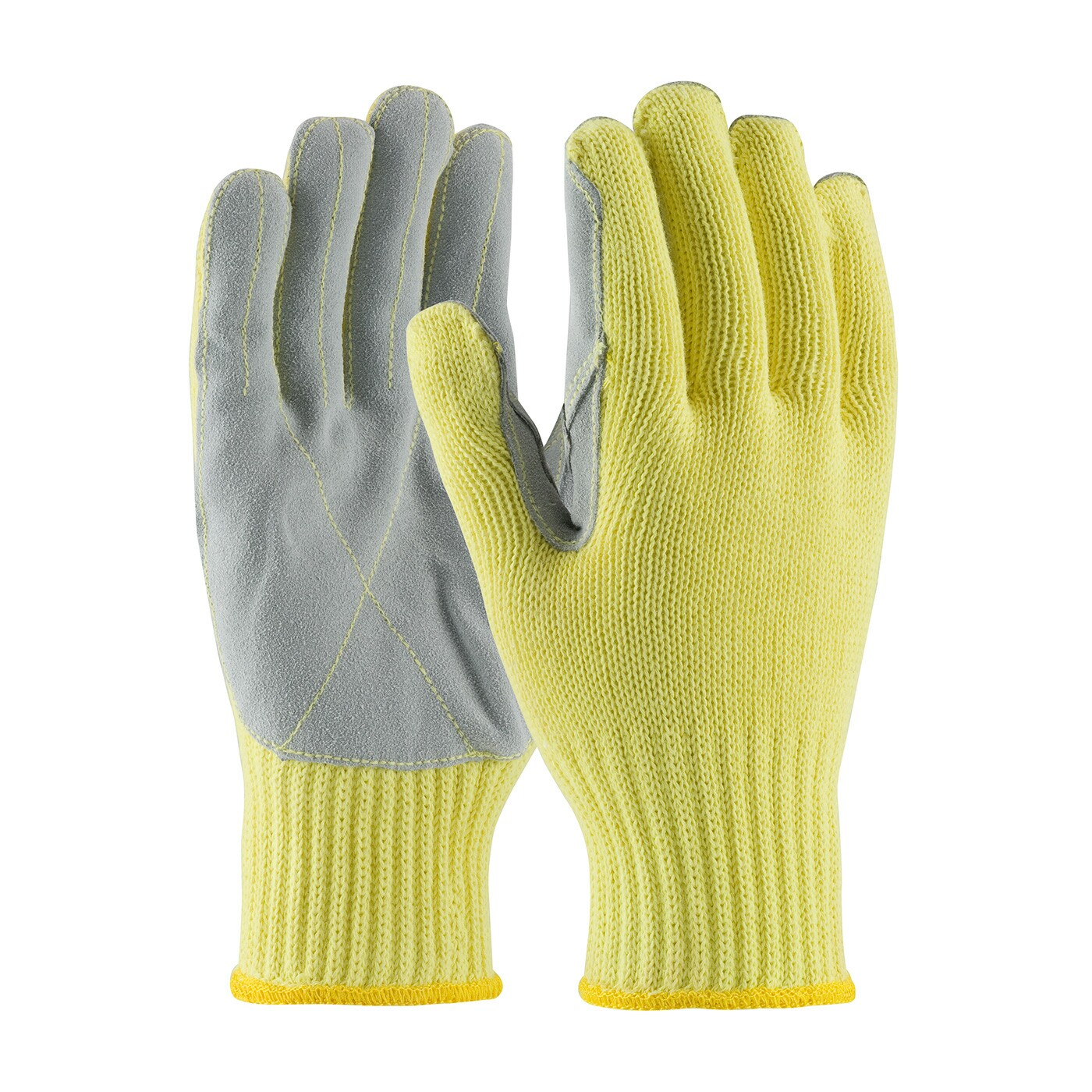
Puncture-Resistant Gloves
Comme son nom l'indique, Puncture-Resistant gloves are primarily designed to prevent hand injuries from sharp objects. They feature multi-layered designs and are made from high-strength materials such as Kevlar, high-performance polyethylene (HPPE), steel wire, and other composites, offering excellent cut resistance for versatile use.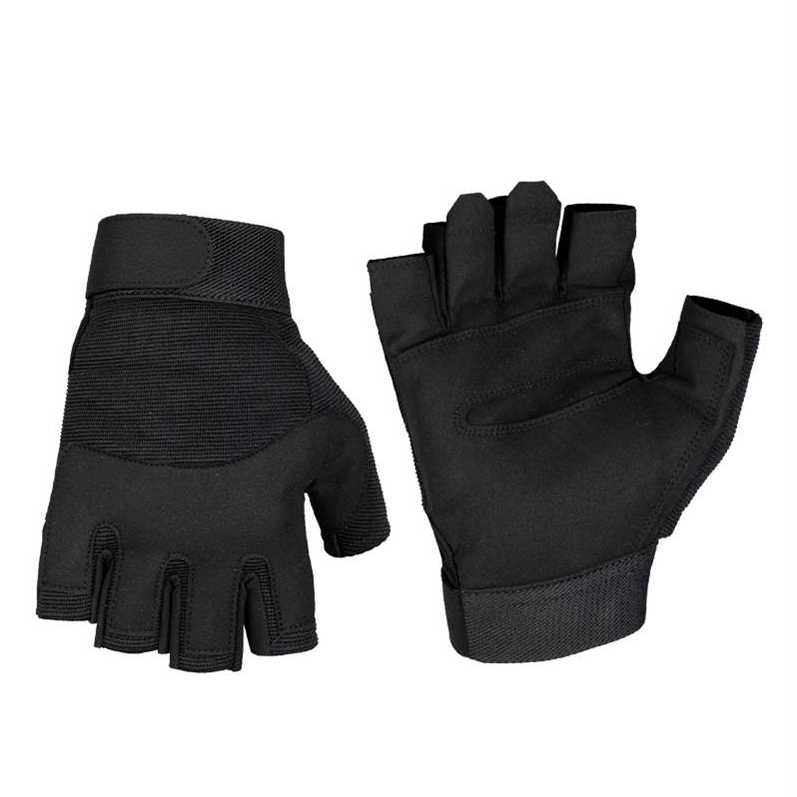
Anti-Vibration Gloves
With growing awareness of safety, people are increasingly recognizing the existence of Hand-Arm Vibration Syndrome (HAVS). Anti-vibration gloves are designed to address this issue. They typically use high-performance vibration-absorbing materials such as gel pads, foam rubber, or special fibers that effectively absorb external impacts and reduce hand vibrations.
Anti-vibration gloves are generally used in manufacturing, construction sites, automotive repair, mining, and heavy equipment operation, such as truck and excavator drivers.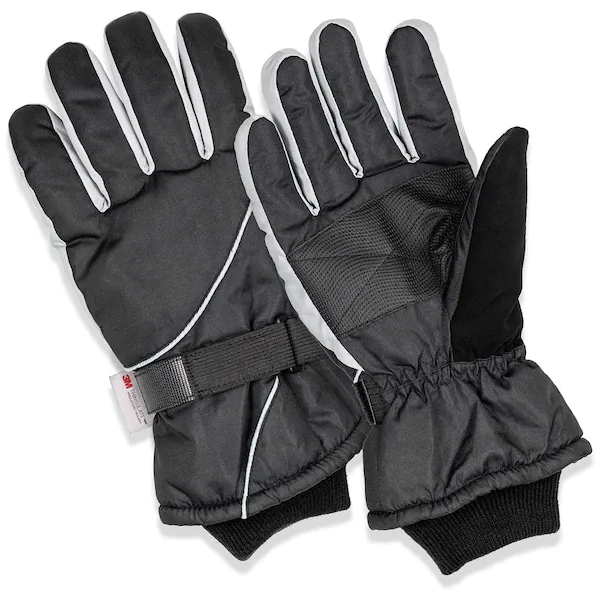
Neoprene Gloves
Neoprene gloves are made from synthetic rubber called neoprene. They offer good water resistance, heat resistance, and cold resistance. The material’s properties make the gloves highly durable and resistant to tearing. Moreover, neoprene gloves have strong chemical resistance, tolerating many chemicals such as:
- Acids
- Bases
- Alcohols
- Fuels
- Peroxides
- Hydrocarbons
- Hydraulic fluids
- Gasoline
- Organic acids
Therefore, they are suitable for use in the chemical industry, industrial manufacturing, medical industry, and chemical laboratories. Due to their excellent water resistance, they are also ideal for water activities such as diving and fishing.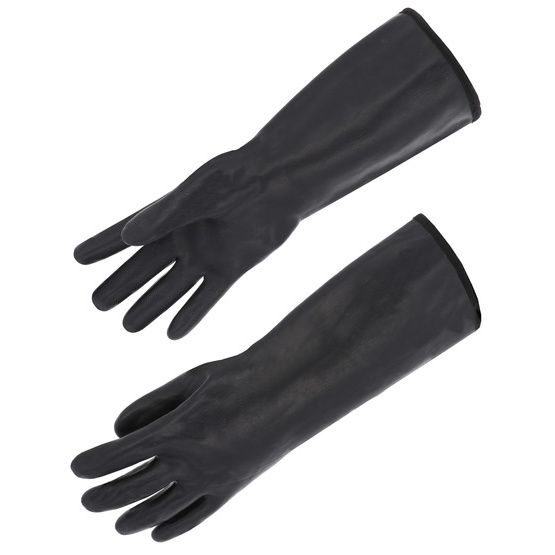
Gants en nitrile
Gants en nitrile are made from synthetic rubber called nitrile rubber. They are renowned for their excellent chemical resistance, oil resistance, and puncture resistance. Unlike natural rubber gloves, nitrile gloves have a low risk of causing allergic reactions, making them ideal for latex-allergic individuals. They protect the wearer from chemical hazards such as solvents, petroleum, gasoline, oils, and certain acids and bases. Therefore, they are widely used in food processing, automotive repair, medical industry, and chemical laboratories.
Safety Glove Selection Criteria
To choose the right gloves, you must first assess the specific risks and hazards you may encounter during glove use. Even seemingly minor hazards—such as abrasions or cuts—can lead to infections and require medical intervention and several days of rest.
After considering these risks, other factors to consider include:
- Taille et coupe: Gloves that are too large, too small, too long, or too short can cause unnecessary trouble.
- Niveau de protection: For specific hazards, consider the different levels of protection the gloves can provide. When choosing suitable gloves, ensure they meet the required protection levels.
- Wear and Tear: Regularly inspect gloves for signs of damage, such as cracks, fading, or swelling, to avoid unnecessary trouble.
- Expiration: Do not use safety gloves beyond their expiry date.
Aibon can provide different types of gloves. No matter what type of glove you need, we can find it for you. If you are interested in or wish to purchase the above gloves, please contactez-nous immediately. We are available 24 to serve you.
Comment mesurer la taille des gants – Source : AIBON
Gants en latex– Source : AIBON
Gants de sécurité– Source : AIBON
Gants de travail– Source : AIBON
 English
 Spanish
 Hindi
 Portuguese
 German
 Russian
 French
 Korean
 Japanese