


Generally speaking, rubber is non-conductive, so electrical gloves are typically made from materials such as natural rubber, nitrile synthetic rubber, and composite rubber. Different materials can be selected according to the specific requirements of different working environments.

Gants isolants
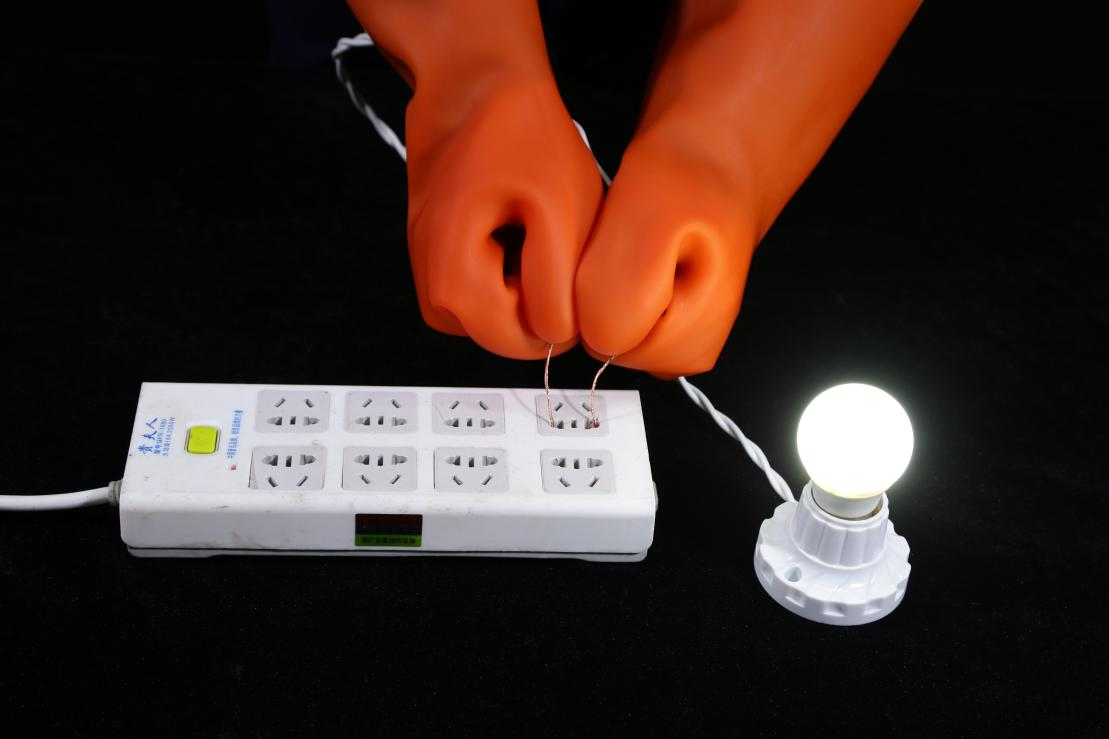
Electrical gloves, a type of Personal Protective Equipment (PPE), are worn during electrical work to protect individuals from electrical shocks and other hazards. They are made with rubber, latex, or synthetic materials on the glove surface to prevent the flow of electric current. Their main features and functions include:
- Excellent insulation properties.
- Good dexterity.
- Versatility to accommodate various voltage classes (Class 00, Class 0, Class 1, etc.).
- Agréable à porter
China Custom Electrical Gloves Supplier
Electricians and other workers who work on electrical wires wear electrician gloves. These gloves protect your forearms, wrists and hands. It’s made from latex or natural rubber, or other synthetic materials that provide the right amount of electrical safety. The choice of specific materials depends on the specific operating environment and the level of voltage protection required. The most important thing is to make sure the gloves meet safety standards and are properly tested and certified to ensure safety. Wearing gloves can also prevent hand fatigue, good anti-slip and grip, specific material characteristics:
- Natural Rubber: Natural rubber gloves provide good electrical insulation, they provide good insulating properties and are flexible, making them suitable for a variety of tasks.
- Synthetic materials: Some electrical gloves are made of synthetic materials, such as neoprene, nitrile, or other rubber-like compounds, which provide electrical insulation and may have better resistance to chemicals and oils than natural rubber. It is more flexible and breathable, and is generally used for ordinary wire contacts to provide higher flexibility.
AIBON uses high-quality and durable rubber materials and synthetic gloves. The nylon and polyester gloves are made of nitrile, latex and other materials to achieve an insulating effect. The rubber gloves are thicker and are formed in one go on the production line, while the synthetic voltage gloves are made on the production line. Gloves are made by immersing them online in Dingqing, latex and other materials.
We also provide gloves of various sizes, colors and cuff lengths. You can use insulated gloves with Class 00, Class 0 and Class 1, which are suitable for different voltages such as different voltages. The working voltages are 500V, 1000V, 7500V, etc. They can also provide different levels of voltage protection depending on the application.
Send us your inquiry now!
Types of Electrical Insulating Rubber Gloves
 Voltage Gloves
Electrical insulating gloves are typically made from highly insulating materials that can effectively block electric current from passing through the human body, reducing risks during electrical work. They are usually worn together with leather protective gloves to enhance abrasion resistance on top of the original protection, thereby extending the service life of the gloves.
 Nitrile Electrical Gloves
Rubber is non-conductive. Therefore, nitrile electrical insulating gloves combine the insulation properties with the characteristics of traditional nitrile gloves. While providing electrical insulation, they also offer basic oil resistance and chemical protection, stabilizing operations, and reducing the risk of errors. They are well suited for use in complex working environments.

Why Choose Us
Standards
Our electrical gloves are manufactured according to EN, CE, ANSI, and other standards. Before shipment, they have been tested to ASTM standards.
Quality Assurance
To ensure we provide defect-free electrical hand gloves, we have strict quality inspections and tests. We ensure they meet international and industry quality standards.
Custom Solutions
We can manufacture electrical hand gloves as per your specifications to suit your specific business needs.

Variety of Applications
Electrical hand gloves can be used for:
- Service production
- Electricity distribution rooms
- Power generation
- Electrical contracting
- Railway power distribution maintenance
- Transportation power distribution
- Power & communication applications
- Repairing and maintenance
What is the primary function of electrical gloves?
The primary function of electrical gloves is to provide insulation protection, preventing accidents caused by electrical hazards and ensuring the safety of electricians during work.
Which industries and application scenarios are electrical gloves suitable for?
Electrical gloves are mainly used in environments where contact with electricity is required, including but not limited to power plants, electric utility companies, elevators, the new energy industry, and industrial equipment sectors.
What are the common voltage classes of electrical gloves?
| 级别(Class) | 最大使用电压 AC | 最大使用电压 DC | 典型应用场景 |
|---|---|---|---|
| Class 00 | 500 V | 750 V | 低压设备、电气维护 |
| Class 0 | 1,000 V | 1,500 V | 工业配电、控制柜 |
| Class 1 | 7,500 V | 11,250 V | 电力检修 |
| Class 2 | 17,000 V | 25,500 V | 中压电力系统 |
| Class 3 | 26,500 V | 39,750 V | 高压电力 |
| Class 4 | 36,000 V | 54,000 V | 超高压作业 |
What materials are electrical gloves typically made from?
Can electrical gloves be reused?
Of course. Electrical gloves can be used repeatedly over a long period as long as there is no damage such as punctures, tears, or aging. However, they must be inspected regularly to ensure safety.
Is it necessary to use them in combination with other gloves?
Yes. In daily operations or practical work, electrical gloves are often worn together with leather gloves to prevent mechanical damage that could compromise their basic protective performance, thereby extending the service life of the electrical gloves.
Proposez-vous la livraison à l'international ?
Oui, nous proposons ce service ! Que vous recherchiez un fabricant de gants ou que vous ayez besoin de vous faire livrer des gants partout dans le monde, Aibon a la solution qu'il vous faut.
Veuillez discuter en détail de vos besoins en matière d'expédition avec notre service client. Veuillez noter que les droits d'importation peuvent varier en fonction de votre lieu de résidence.
Puis-je voir les gants avant le début de la production ?
Ne vous inquiétez pas, nous réaliserons des échantillons de pré-production afin que vous puissiez vous faire une idée précise de l'aspect des gants. La production ne débutera qu'une fois que vous serez 100% satisfait.
Can I place a bulk order or customize gloves?
Yes, absolutely. You can select the quantity you require when you request a quote. Please speak with our customer service representatives for price variations on bulk and wholesale orders.
Are electrical gloves suitable for use in damp or lightly oily environments?
They can be used, but prolonged immersion in water or oil should be avoided. After use, gloves should be cleaned and dried promptly, stored properly, and inspected carefully for any damage before each use.


 English
 Spanish
 Hindi
 Portuguese
 German
 Russian
 French
 Korean
 Japanese