


Whether at work or in daily life, gloves are an essential protective item. Among them, nitrile gloves and latex gloves have become the most common and practical choices due to their excellent protective performance and comfort. Wearing gloves correctly not only effectively prevents contamination and injury but also significantly improves your work efficiency and safety. It is a key step in providing optimal protection.
In the following, we will give you a detailed explanation of how to properly put on nitrile and latex gloves so that you can fully maximize their protective effect.
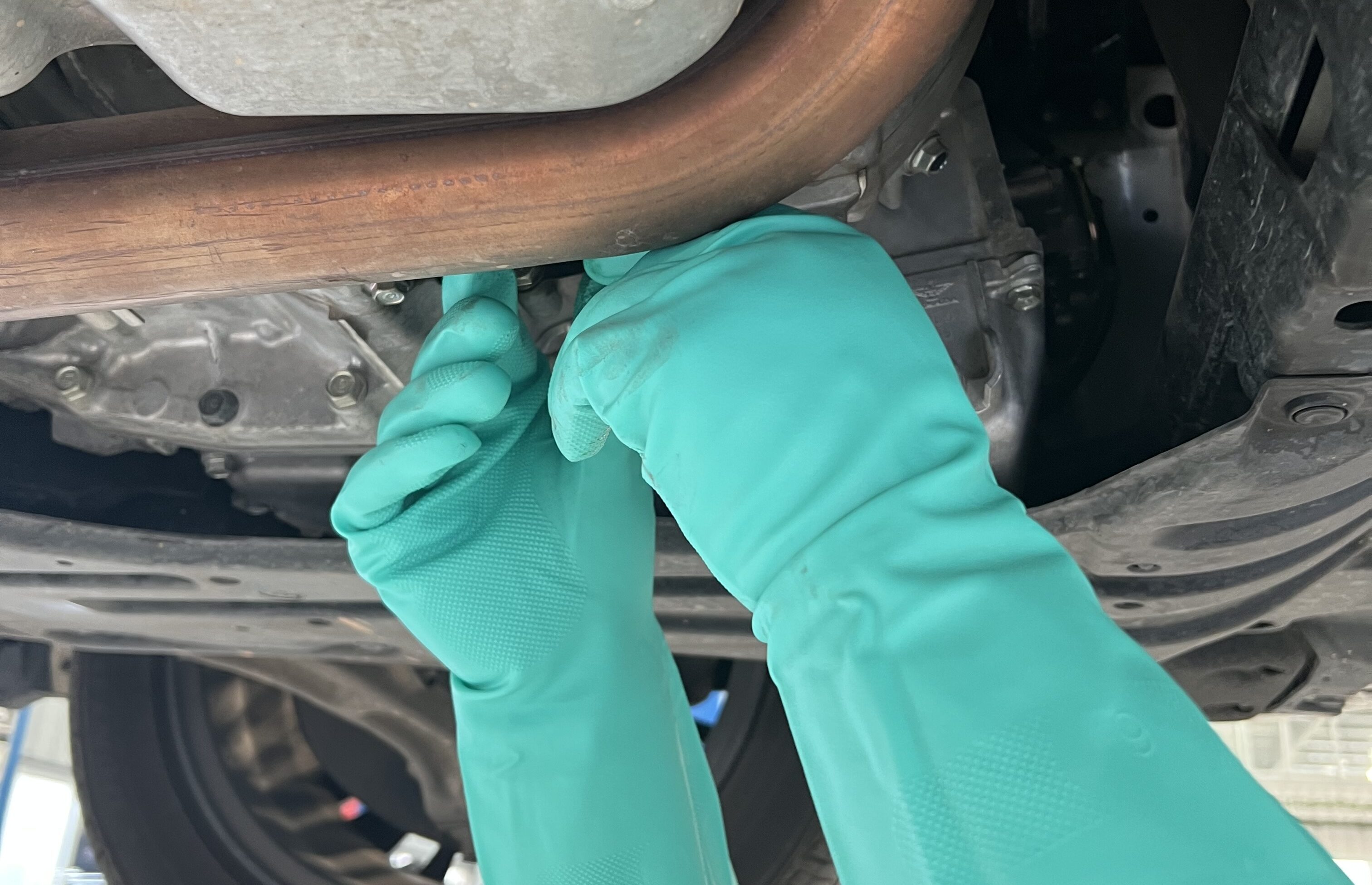
Gants en nitrile
Gants en nitrile are mainly made by emulsion polymerization of acrylonitrile and butadiene to form nitrile rubber. Sulfurizing agents, stabilizers, accelerators, pigments, and other additives are then added. After forming on hand molds, vulcanizing, washing, drying, and demolding, the final product is obtained.

Gants en latex
Gants en latex are mainly made from the sap (natural rubber) extracted from Brazilian rubber trees. After being filtered and purified to remove impurities, they are mixed with chemical additives and undergo a series of fine processing steps. The liquid is coated on hand molds, then heated, cured, washed, and rinsed to form the final product—a combination of natural latex and synthetic materials.

Choosing the Right Size Gloves
To wear nitrile and latex gloves correctly, it is essential to choose the right size for your hands. Gloves that are too large or too small can make them difficult to put on or may slip off, leading to unnecessary trouble and accidents.
Preparation Before Wearing Gloves
Clean Your Hands
First, remove accessories such as watches, bracelets, and rings. Wash your hands thoroughly with hand soap, soap, or an alcohol-based sanitizer under running water for at least 20 seconds, cleaning around the nails. Then dry your hands completely with a paper towel or hand dryer. Moist hands can make it more difficult to put on gloves and promote bacterial growth.
Check the Gloves for Damage
Before wearing the gloves, check for visible damage such as tears, holes, discoloration, or sticky residues. If any damage is found, replace the gloves immediately.
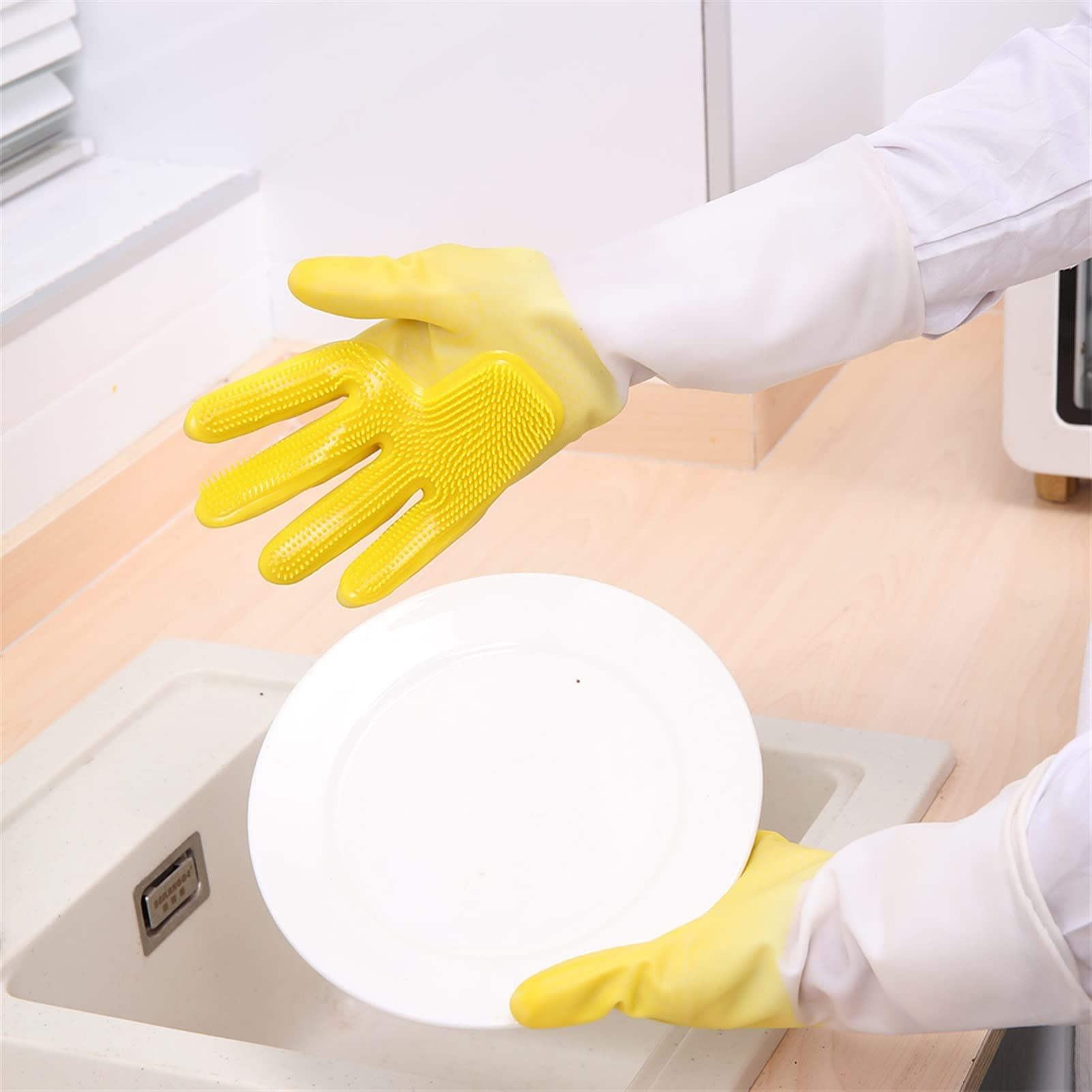
How to Properly Wear Gloves
Take the gloves out of the packaging and gently shake them open or stretch the cuff with your fingers. To keep the gloves clean, avoid touching the outside surface as much as possible.
Use your dominant hand to pinch the cuff of the other glove, insert your non-dominant hand into the glove, and gently pull it up to your wrist. Make sure the glove fits snugly without excessive force to avoid tearing. Once both gloves are on, adjust the finger positions and the tightness of the gloves.
Then use the gloved hand to lift the inside edge of the cuff of the other glove. Gently open the cuff, insert your fingers, and push along the glove to ensure all fingers are properly in place. The glove should be smooth and untwisted.
Finally, adjust the gloves to the most comfortable position. During the process, avoid touching unclean surfaces to prevent contamination.
How to Properly Remove Gloves
First, pinch the cuff edge of one glove with the opposite hand and slowly pull it downward, turning it inside out as you remove it so the contaminated surface is contained inside. Then slide the fingers of your ungloved hand inside the cuff of the remaining glove, turning it inside out as well.
Avoid touching the outside surface of the gloves. This ensures the contaminated area remains fully enclosed. Immediately discard the used gloves in the designated waste bin. Finally, wash your hands thoroughly again.
Conclusion
Wearing and removing nitrile and latex gloves correctly is the foundation for ensuring their protective effectiveness. It not only protects you but also shows responsibility for the safety of others, effectively preventing contamination and injury, and making your work more efficient, safe, and hygienic.
If you’re interested in gloves, contact Aibon—we’ll provide full support and answers to your questions.We exist to protect your hands.
Comment mesurer la taille des gants – Source : AIBON
Gants en latex– Source : AIBON
Gants de sécurité– Source : AIBON
Gants de travail– Source : AIBON
 English
 Spanish
 Hindi
 Portuguese
 German
 Russian
 French
 Korean
 Japanese