


The rise of the leisure fishing industry has made the sport increasingly popular among young people, yet it carries significant risks. Whether battling large pelagic fish, handling gear that causes hand fatigue, or enduring prolonged exposure to the scorching sun, anglers need to protect their hands; therefore, selecting the right pair of fishing gloves is crucial. Let us guide you through the details of choosing the perfect pair.
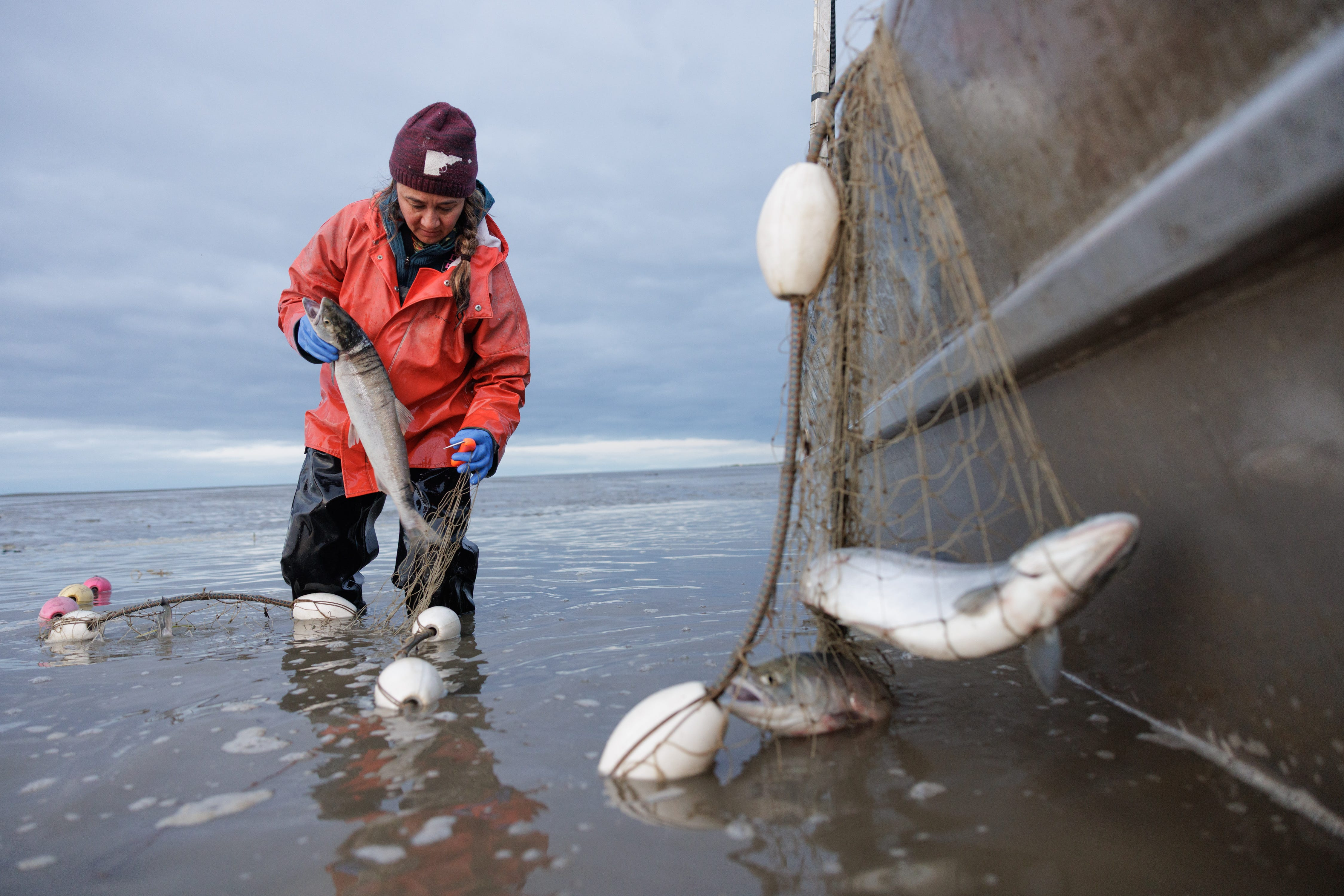
Clearly Identify Your Fishing Environment
Choosing a suitable pair of fishing gloves starts with understanding the environment where you will use them and being fully aware of the potential or hidden hazards around you.
Sea Fishing
The environment for sea fishing is relatively more complex and unpredictable. In addition to basic waterproof performance, the gloves should also provide excellent abrasion resistance and strong grip, ensuring better control while reducing the risk of hand injuries. Ideally, they should offer comprehensive protection for your hands.
Freshwater Fishing
Freshwater fishing environments are less challenging compared to sea fishing. Although hand protection is still important, freshwater fishing gloves are more focused on lightweight and flexible designs, allowing long-lasting comfort during use. Besides basic protection, they should ideally provide UV protection to prevent your hands from being damaged by sunlight exposure.
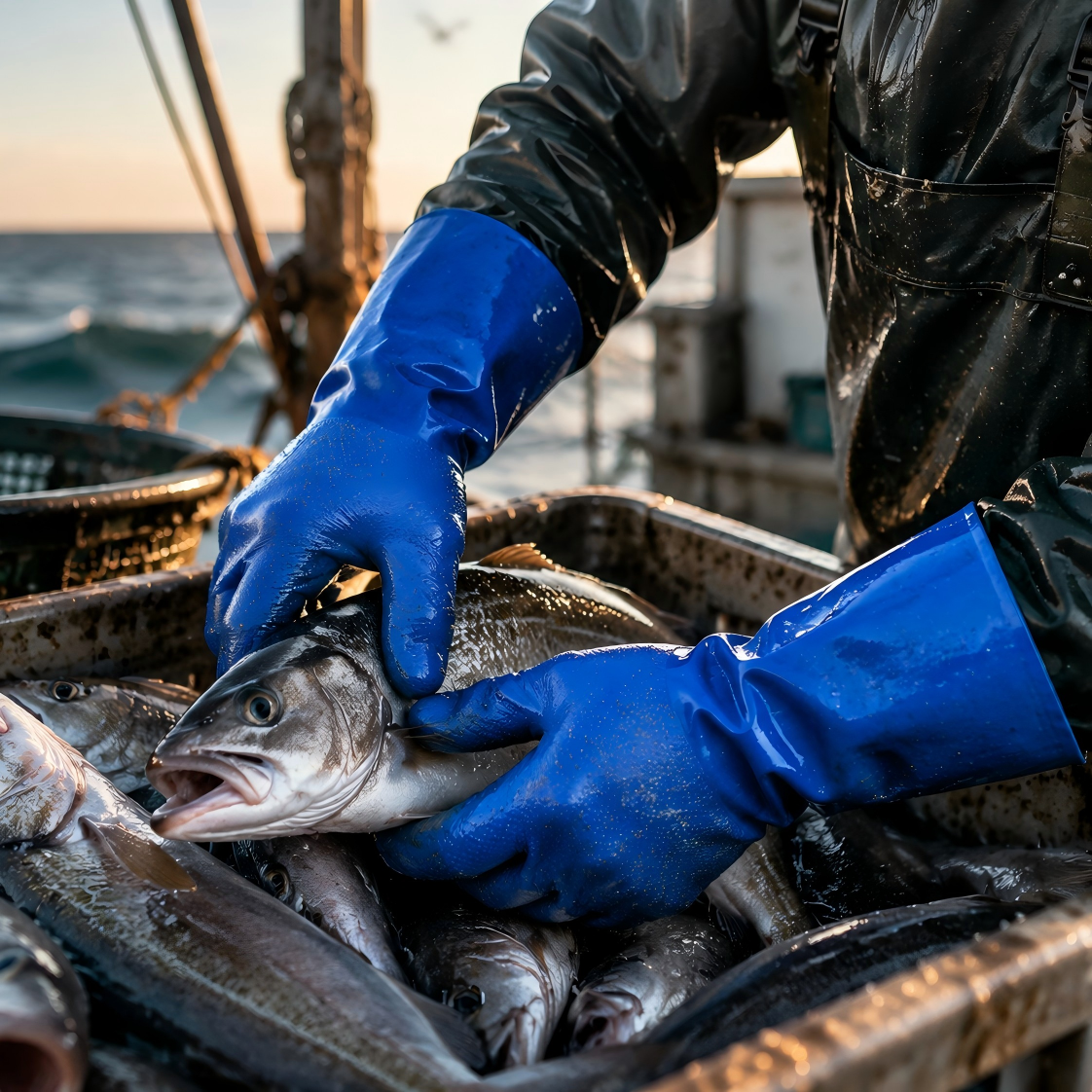
Ice Fishing and Cold Weather
In extremely cold temperatures, the environment can be harsh. Therefore, fishing gloves should first provide excellent insulation and warmth to prevent frostbite while allowing your hands to move freely.
Fishery Processing
If you are involved in fishery processing, fishing gloves should first meet food-contact requirements and relevant standards to prevent the risk of cross-contamination.
Choose the Right Fishing Glove Material
Choose fishing gloves with the ability to effectively resist potential or hidden hazards according to the risks present in different environments, ensuring your hands remain protected. Below, we will introduce several common materials used for fishing gloves.
Nitrile Coated Fishing Gloves
Nitrile coated fishing gloves feature a specially designed coated surface that ensures a secure grip even in wet and oily environments. In addition to excellent slip resistance, they also provide outstanding chemical resistance and abrasion resistance while maintaining excellent flexibility, making them comfortable for long-term use.
Latex Coated Fishing Gloves
Latex coated fishing gloves use specially designed surface textures and coatings to create a dense glove structure that effectively prevents water from penetrating inside, keeping hands dry for extended periods. Moreover, they provide excellent flexibility and comfort. The lightweight design helps reduce hand fatigue and ensures overall wearing comfort.
Cut Resistant Fishing Gloves
Cut resistant fishing gloves provide excellent cut and puncture resistance, effectively protecting hands from sharp objects such as fish hooks, fish fins, fish knives, and shell fragments. They are not only suitable for most fishing activities but can also be used for seafood processing, offering a wide range of applications.
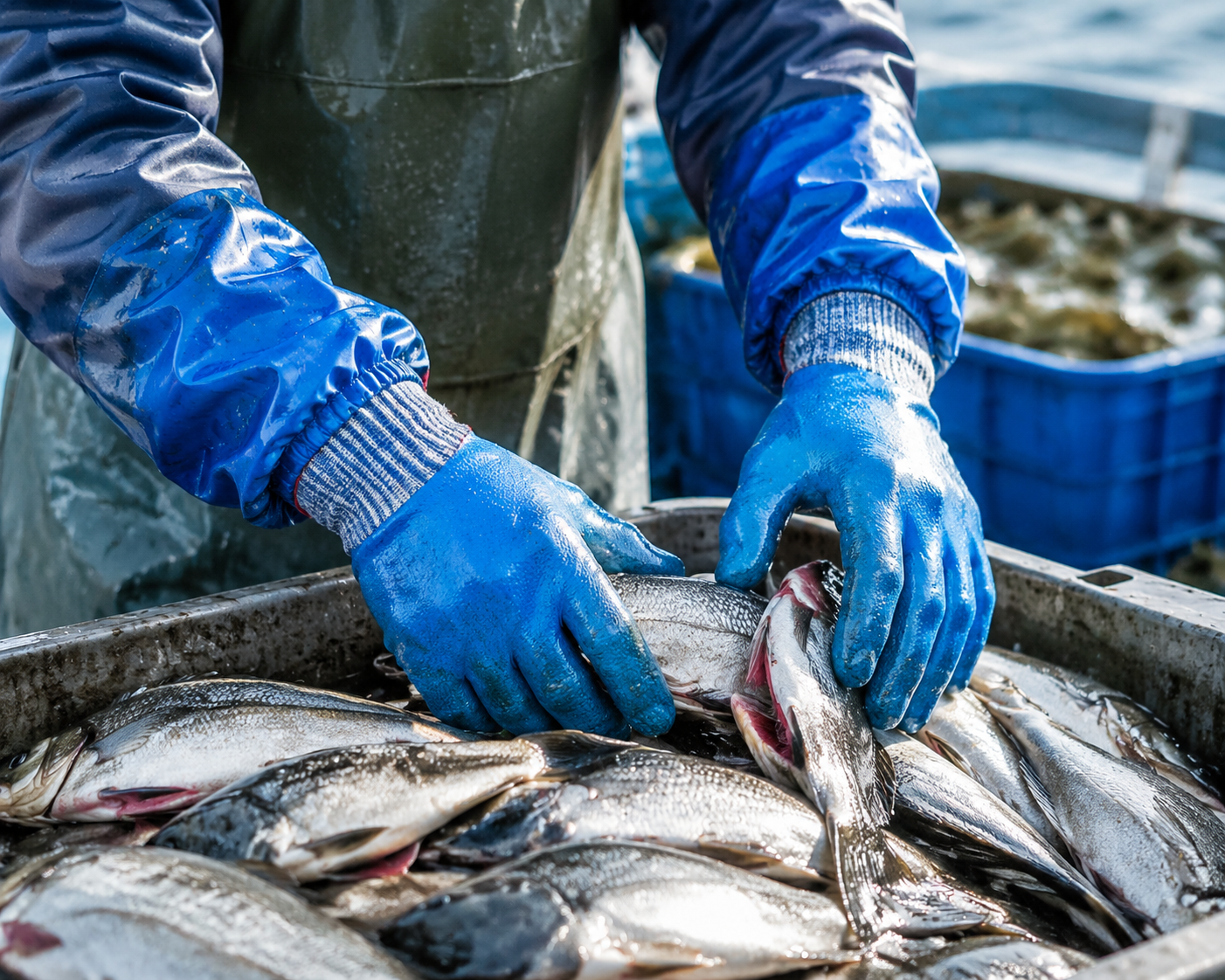
Choose the Correct Fishing Glove Size
Select the right glove size based on your hand measurements or those of the fishing glove users, ensuring a snug fit without restricting natural finger movement. Avoid choosing gloves that are too large or too small, as improper sizing can easily affect hand flexibility and performance.
Confirm Fishing Glove Certifications
Finally, when selecting a fishing glove supplier, make sure to confirm whether the gloves meet international protective glove standards and certifications, or whether they comply with the access requirements of your local market.

FAQ
How long can fishing gloves typically be used?
The service life of fishing gloves mainly depends on the frequency of use, the working environment, and the material of the gloves themselves.
What is the difference between fishing gloves and regular work gloves?
Fishing gloves are specifically designed for wet environments and fishing activities. Compared with regular work gloves, fishing gloves generally provide better waterproof performance and stronger grip.
What tests should fishing gloves pass?
The specific tests required for fishing gloves mainly depend on their intended application environment. Generally, they should pass waterproof, mechanical protection, abrasion resistance, and other EN388 mechanical protection tests.
How should fishing gloves be maintained?
It is recommended to rinse fishing gloves with clean water immediately after use and place them in a shaded area to dry. Avoid exposing them directly to strong sunlight, as this can effectively improve the durability of fishing gloves.
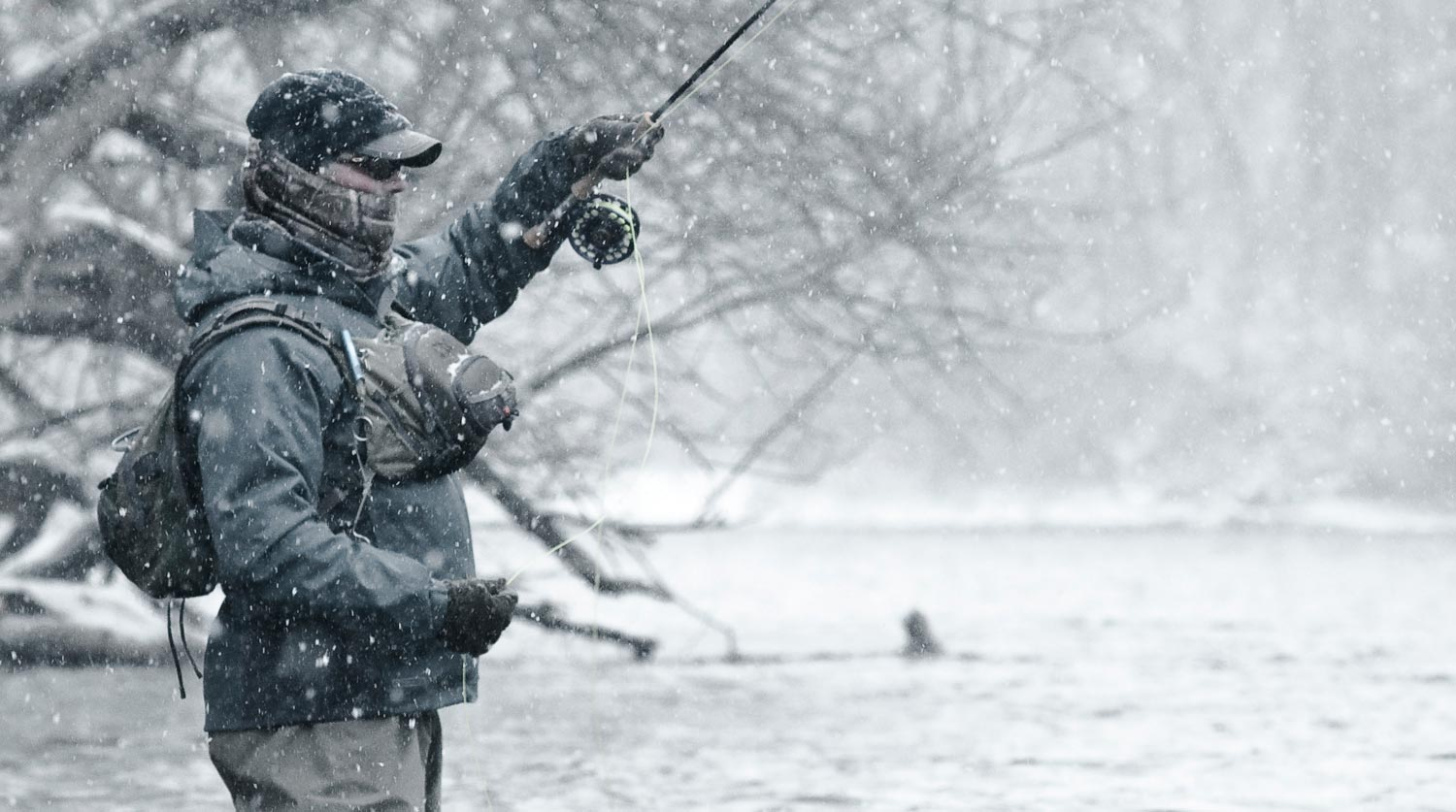
Finale
Choosing the right fishing gloves based on the usage environment, size, and certification standards can not only protect your hands but also help you achieve better performance during fishing activities. If you are interested in fishing gloves or would like to purchase them, please feel free to contactez-nous. Aibon will provide professional support throughout the entire process.
Comment mesurer la taille des gants – Source : AIBON
Quels sont les différents niveaux de protection des gants anti-coupures ?– Source : AIBON
Gants anti-coupure– Source : AIBON
Gants de travail– Source : AIBON
 English
 Spanish
 Hindi
 Portuguese
 German
 Russian
 French
 Korean
 Japanese