


No matter what environment you are in, gloves are an indispensable protective tool, especially when it involves direct contact with chemicals, corrosive substances, and hazardous liquids. These substances can cause significant damage to the skin, trigger allergies and dermatitis, and in severe cases, may lead to chemical burns and even systemic poisoning that threatens life and health. Therefore, in order to prevent chemical-related injuries and other potential hazards, choosing the appropriate personal protective equipment is crucial, and in industrial environments, chemical-resistant gloves are the most essential first step.

Why Choose Chemical-Resistant Gloves?
Gants résistants aux produits chimiques are specifically designed to protect the hands from harmful chemicals. They can significantly reduce the cost of accidents, effectively isolate hazardous substances, lower the risk of injury, and prevent chemicals from contacting the skin and causing corrosion, burns, allergies, or chronic skin diseases, thereby improving work efficiency and safety.
How to Choose the Right Chemical-Resistant Gloves?
First, you need to understand the specific types of chemical-resistant gloves. Then, conduct a comprehensive evaluation according to the work environment, potential risks, and industry standards. Next, we will introduce the common types of chemical-resistant gloves:

Gants en latex
Gants en latex are mainly made from the sap extracted from Brazilian rubber trees (natural rubber). After filtration and impurity removal, mixed chemical additives are added for further refined processing. The mixture is then coated onto glove molds, heat-cured, washed, and rinsed, and after completion, the final product is formed. Latex gloves are a combination of natural latex and synthetic materials. They are soft and comfortable to wear, have good fit and elasticity, and offer strong grip. Even in wet or oily environments, they help prevent accidental slipping and can be worn for long periods.
Latex gloves easily degrade when exposed to oils and solvents, but they can resist certain acids, alkalis, ammonia, ethanol, and mild acidic or alkaline substances. The only drawback is that they contain proteins that can cause latex allergies. Therefore, for individuals with latex allergies, nitrile gloves, neoprene gloves, or other low-allergenic alternatives are recommended.
Latex gloves are suitable for tasks requiring fine operation or light protection, especially for short-term contact with low-risk chemicals. They are not suitable for strong corrosive or high-solvent environments.
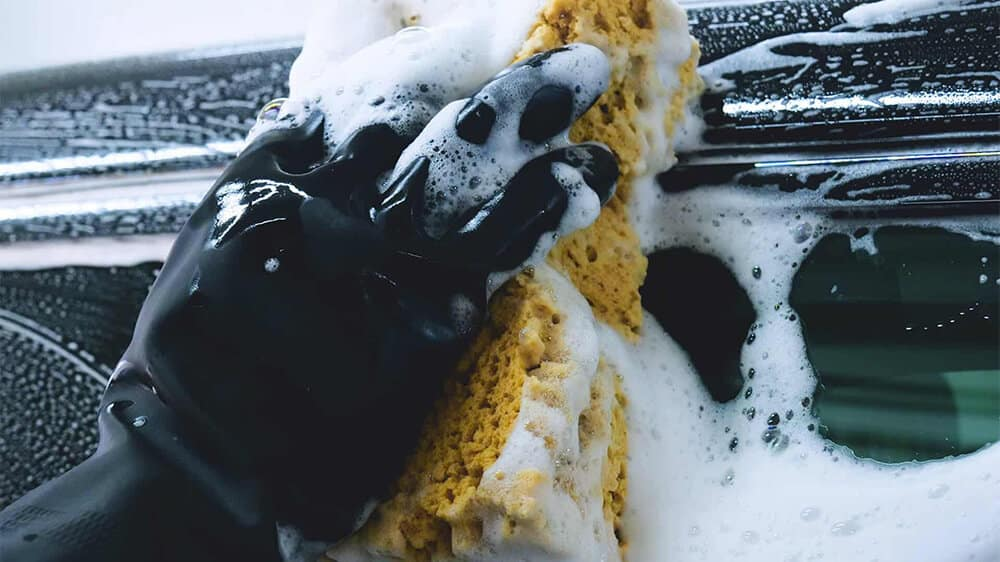
Neoprene Chemical-Resistant Gloves
Neoprene gloves are mainly made from polychloroprene. By adding vulcanizing agents, fillers, and stabilizers, the material is processed and vulcanized to form neoprene rubber, which is used to manufacture gloves. They were first developed by DuPont in the 1930s.
Neoprene gloves combine flexibility with tear resistance and offer excellent wearability. They have outstanding chemical resistance, waterproof properties, and elasticity. They can effectively resist acids, alkalis, oils, solvents, and other chemicals, and maintain stable performance within a certain temperature range. They also have good abrasion resistance and safety. Even in low-temperature environments, neoprene gloves remain flexible, not easily hardening or cracking.
Neoprene gloves have wide applicability and are commonly used in chemical cleaning, laboratory environments, automotive maintenance, industrial equipment handling, and similar work conditions.

Nitrile Chemical-Resistant Gloves
Gants en nitrile are mainly made from acrylonitrile and butadiene, which undergo emulsion polymerization to form nitrile rubber. Vulcanizing agents, stabilizers, accelerators, and pigments are then added, followed by molding, vulcanization, washing, and drying steps. Once removed from the mold, the final product is formed.
Gants en nitrile are tough, durable, highly puncture-resistant, and not easily torn. They offer excellent chemical resistance and waterproof properties, protecting hands from oils, fuels, solvents, acids, alkalis, and other common chemicals. However, they may be susceptible to strong oxidizing agents, aromatic solvents, and certain ketones. Compared with neoprene, nitrile is more abrasion-resistant, with superior durability and puncture resistance.
Nitrile gloves are cost-effective and suitable for various special applications. They are widely used in food processing, the medical field, laboratory environments, as well as industrial and manufacturing industries.
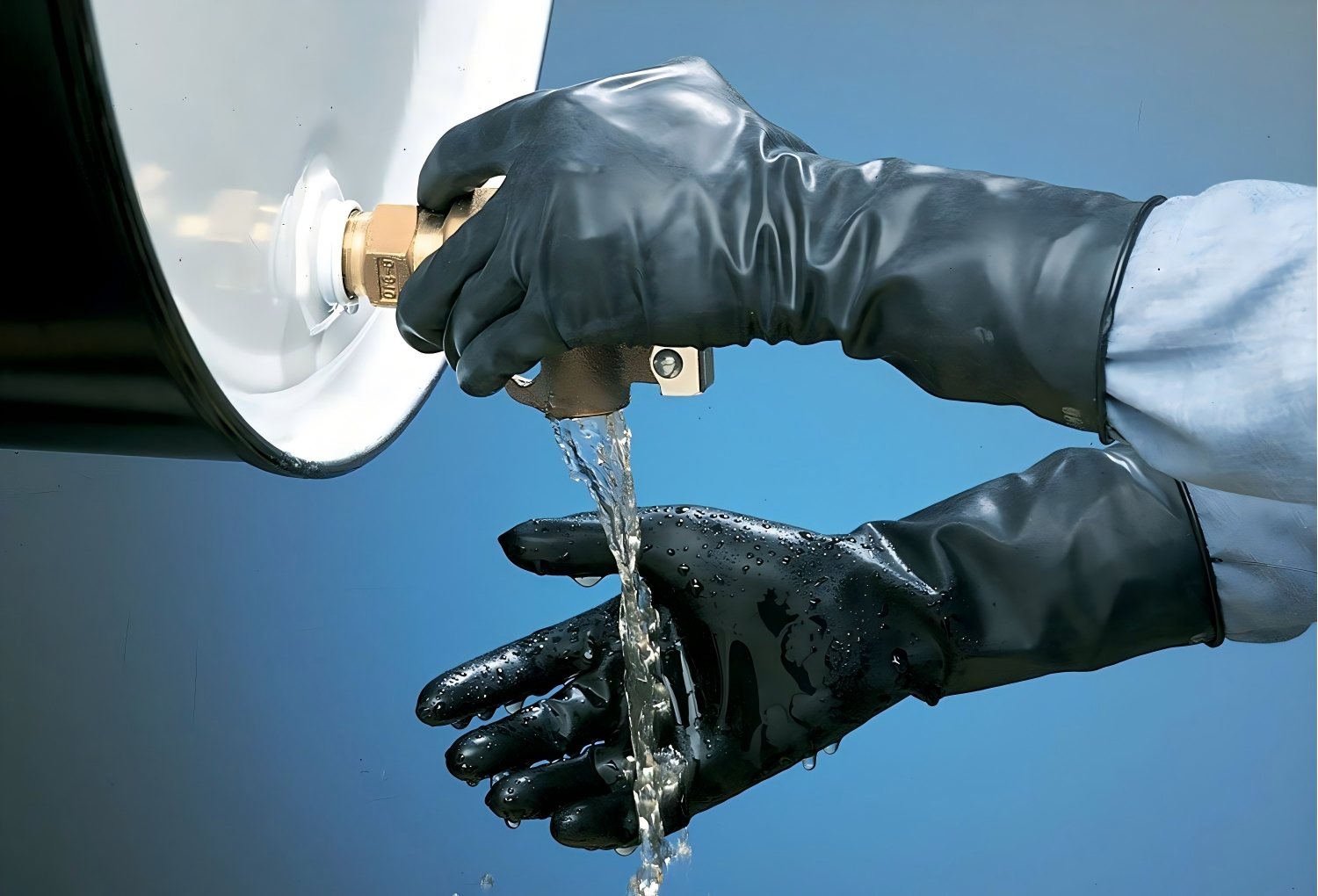
Butyl Chemical-Resistant Gloves
Butyl gloves are made from a synthetic rubber composed of isobutylene and a small amount of isoprene. They are known for their gas-tightness, acid resistance, and high solvent protection capabilities. Butyl gloves can resist hazardous chemicals such as sulfuric acid, nitric acid, hydrofluoric acid, strong polar solvents such as ketones, aldehydes, and esters, as well as toxic gases, preventing harmful substances from penetrating into the gloves to protect the skin.
Although butyl gloves are thick and wear-resistant, they provide excellent flexibility. They ensure hand mobility and comfort during use and maintain their performance even in high-temperature or low-temperature environments.
Butyl gloves are most suitable for operations requiring direct contact with chemicals such as acetic acid, ammonium hydroxide, and butanol. They are commonly applied in chemical handling, nuclear industry, hazardous waste disposal, and pharmaceutical environments with high levels of risk.
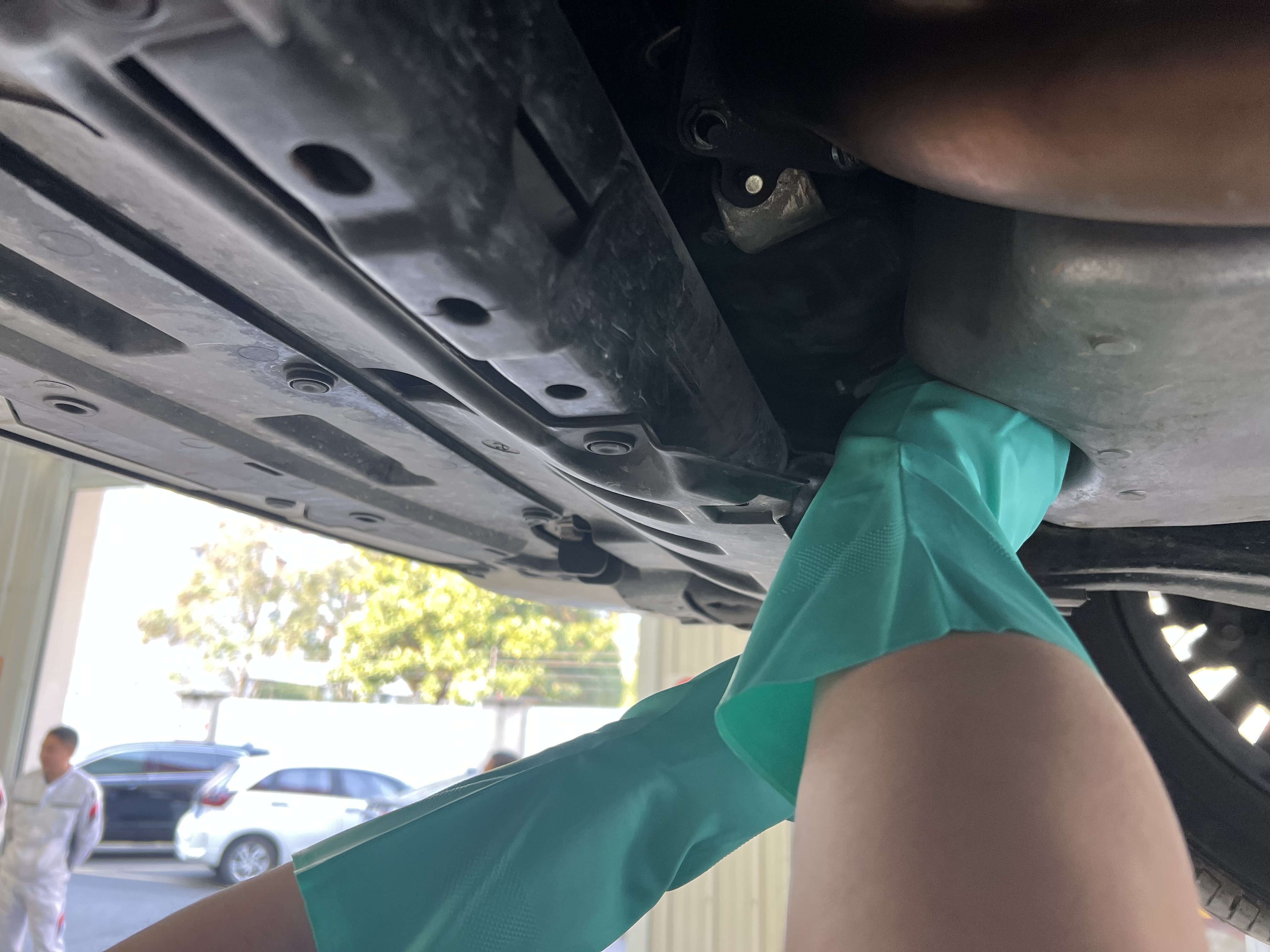
Glove Thickness and Size
After selecting the appropriate type of glove based on the work environment, potential hazards, and industry standards, glove size and thickness are also key considerations. Glove size affects the fit — too large or too small, too loose or too tight can cause inconvenience to the wearer and may lead to unnecessary accidents or issues. Thicker gloves offer stronger protection, but may reduce flexibility and comfort. Conversely, thinner gloves provide better tactile sensitivity and flexibility, but offer weaker protection.
Protection Levels and Certifications
Different industries require different glove protection levels based on actual needs. Industrial employers must ensure that the selected gloves meet international standards and certifications to guarantee strict performance requirements in chemical permeation resistance, puncture resistance, heat resistance, and other safety aspects.
Conclusion
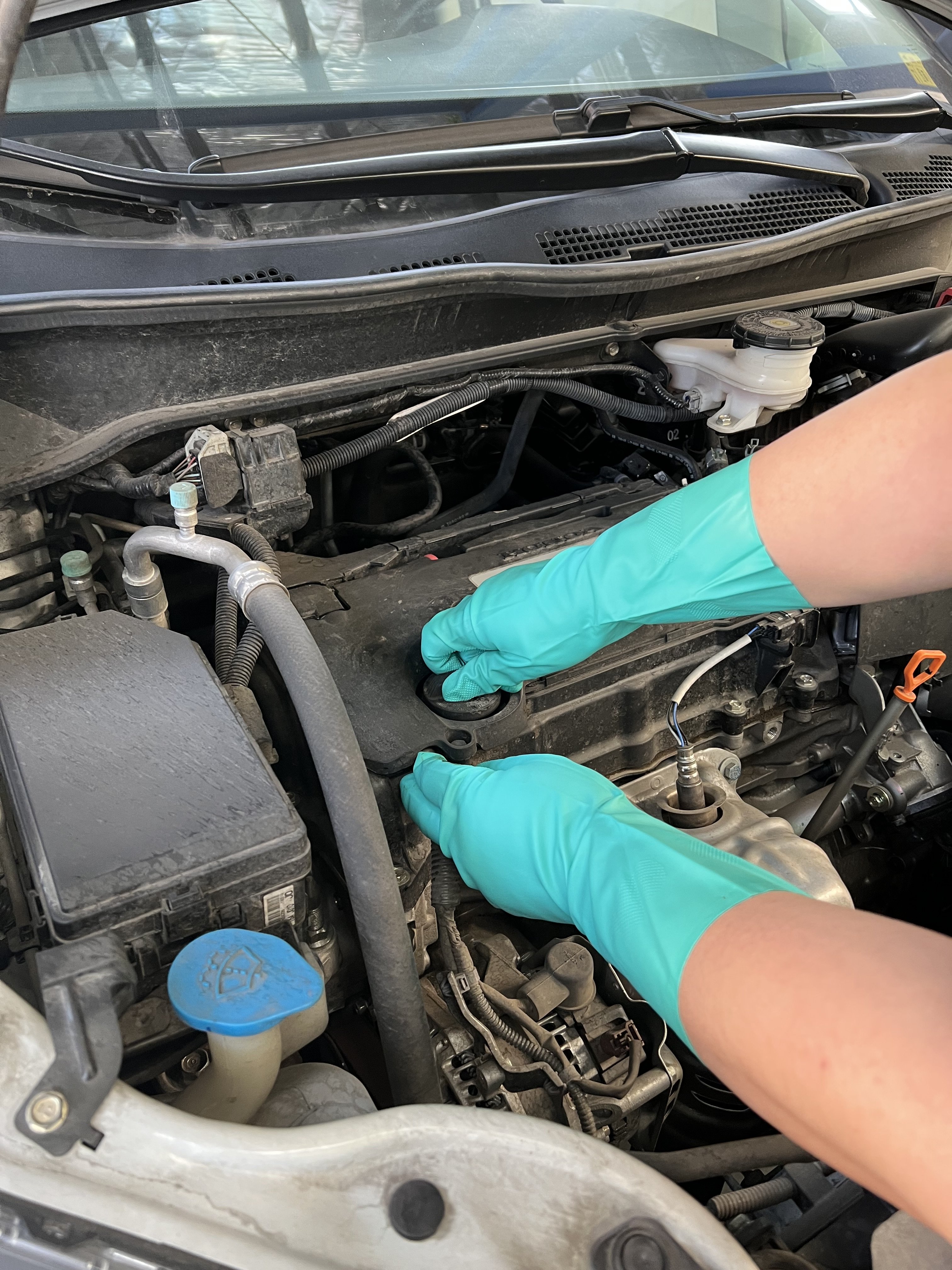
Chemical-resistant gloves are indispensable protective equipment in industrial environments. Choosing the right gloves not only protects the health and safety of you and your workers, but also enhances work efficiency and safety, ensuring a better level of employee protection and stable, smooth workplace operations.
If you are interested in chemical-resistant gloves, please contact us as soon as possible. Aibon will provide full support and answer all your questions.
Comment mesurer la taille des gants – Source : AIBON
Gants en latex– Source : AIBON
Gants de sécurité– Source : AIBON
Gants de travail– Source : AIBON
 English
 Spanish
 Hindi
 Portuguese
 German
 Russian
 French
 Korean
 Japanese