


Whether in daily life or in the workplace, ニトリル手袋 are an indispensable piece of personal protective equipment. Nitrile gloves are mainly made by producing nitrile rubber through emulsion polymerization of acrylonitrile and butadiene, then adding additives such as vulcanizing agents, stabilizers, accelerators, and pigments. They are formed through processes such as hand mold forming, vulcanization, washing, and drying, and are finally demolded into the finished product.
However, nitrile gloves are not all-purpose. Using them in appropriate environments can greatly improve efficiency; otherwise, the consequences can be serious. So, in what situations should nitrile gloves not be used? Next, we will comprehensively answer this question for you.
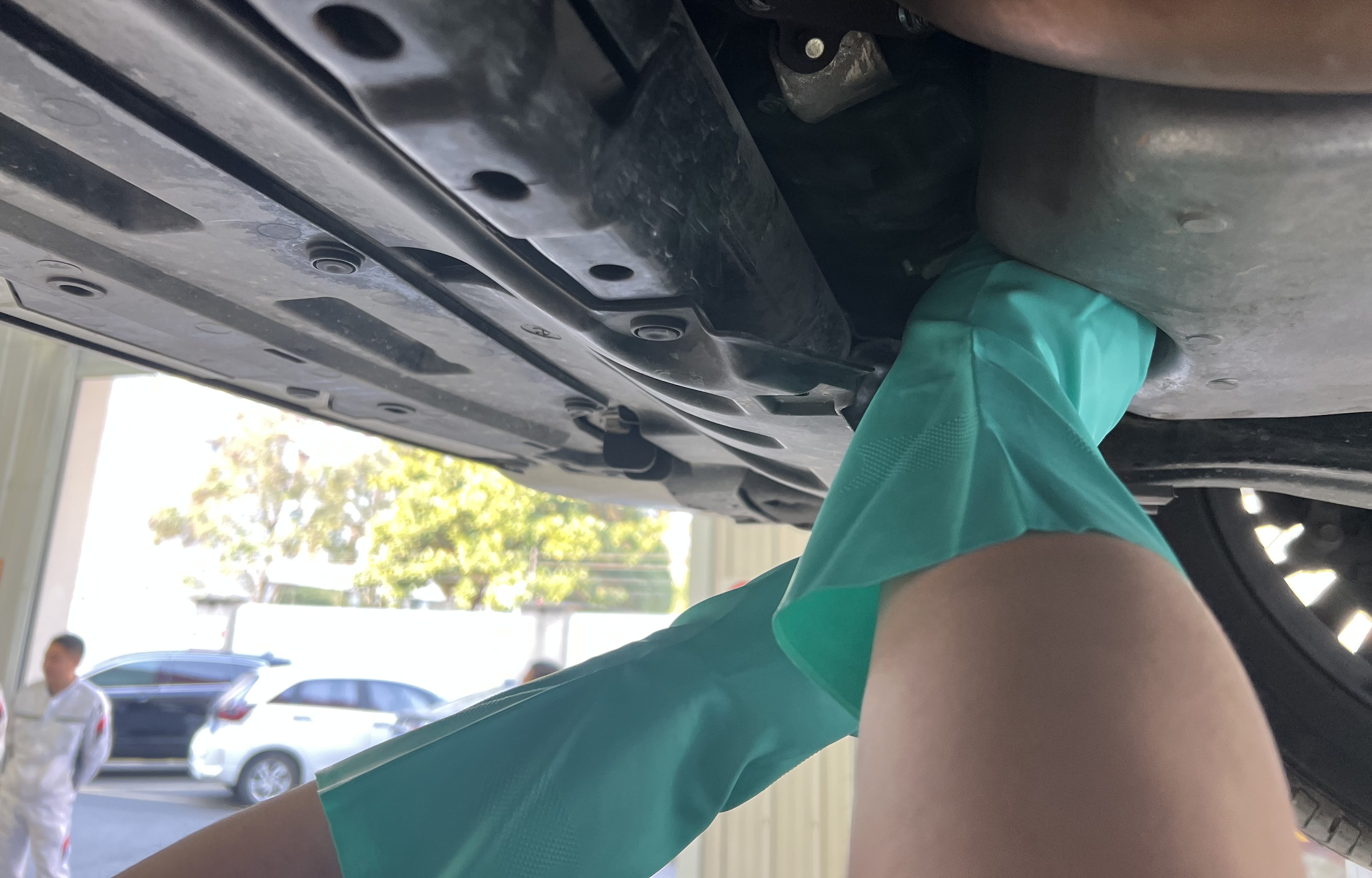
High-temperature environments
When the temperature continues to rise, the molecular structure of nitrile gloves will be severely damaged, leading to molecular chain breakage and oxidation reactions. As a result, the elasticity of nitrile gloves decreases, causing the gloves to become hard, brittle, and cracked, with reduced tensile strength, and even surface sticking, yellowing, deformation, and a decline in mechanical performance. This accelerates material fatigue and prevents the gloves from maintaining their original performance.
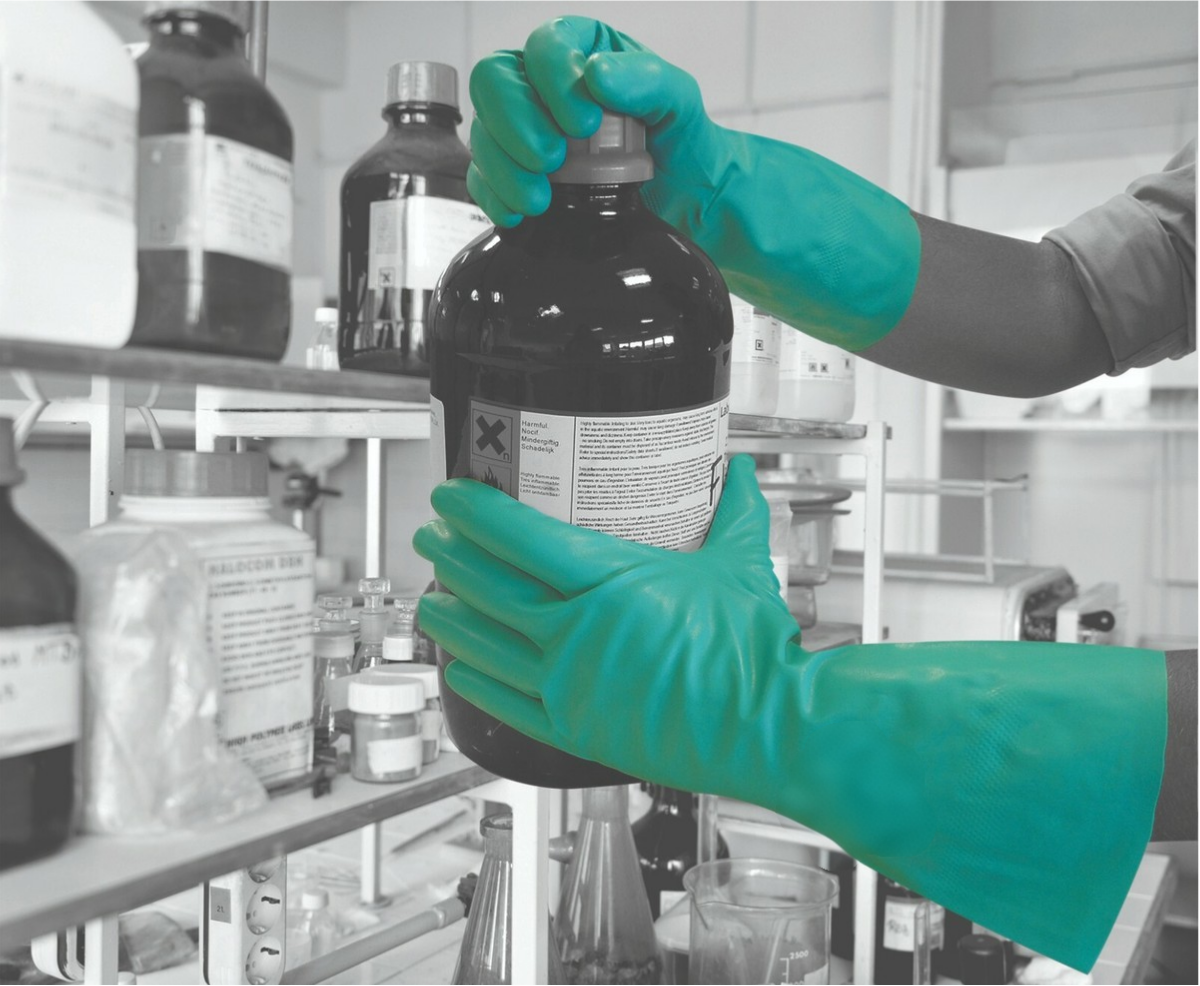
When handling strong corrosive and strong oxidizing chemicals
Although nitrile gloves have excellent chemical resistance, they cannot resist all chemicals. In particular, in environments involving strong acids, strong alkalis, and other highly corrosive chemicals, as well as acetone, concentrated nitric acid, acetate compounds, and other organic solvents and strong oxidizing chemicals, nitrile gloves can easily soften, swell, discolor, corrode, and even develop cracks and perforations. This renders their original protective performance ineffective, allowing chemicals to directly contact the skin and cause irreversible damage.
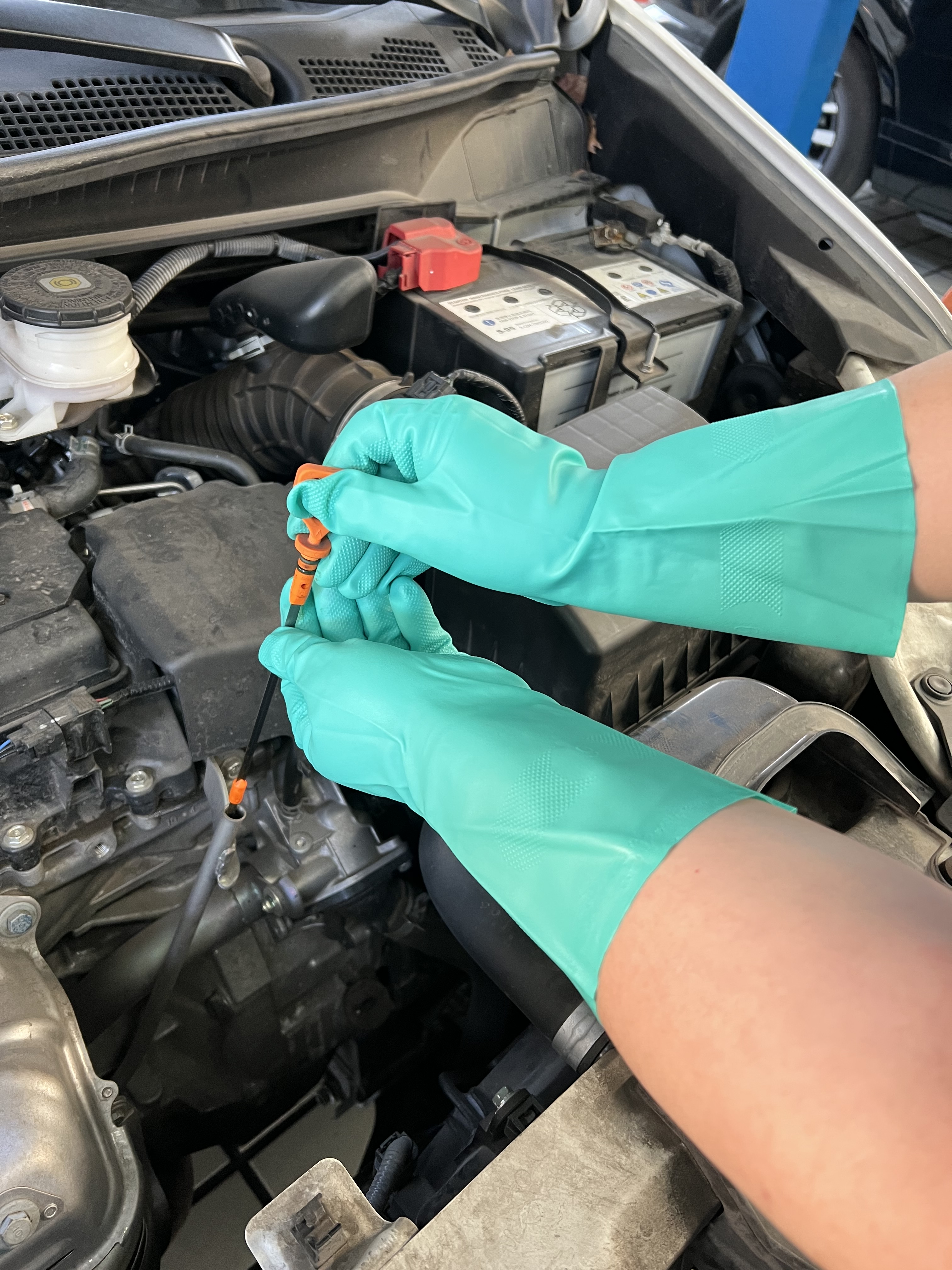
Long-term contact with sharp and pointed objects
Nitrile gloves are primarily designed for chemical protection, not professional cut resistance. Therefore, long-term contact with knives, blades, metal edges, glass, and other sharp objects can cause surface damage, cracks, abrasion, and even puncturing of the gloves, leading to unnecessary trouble and accidents.
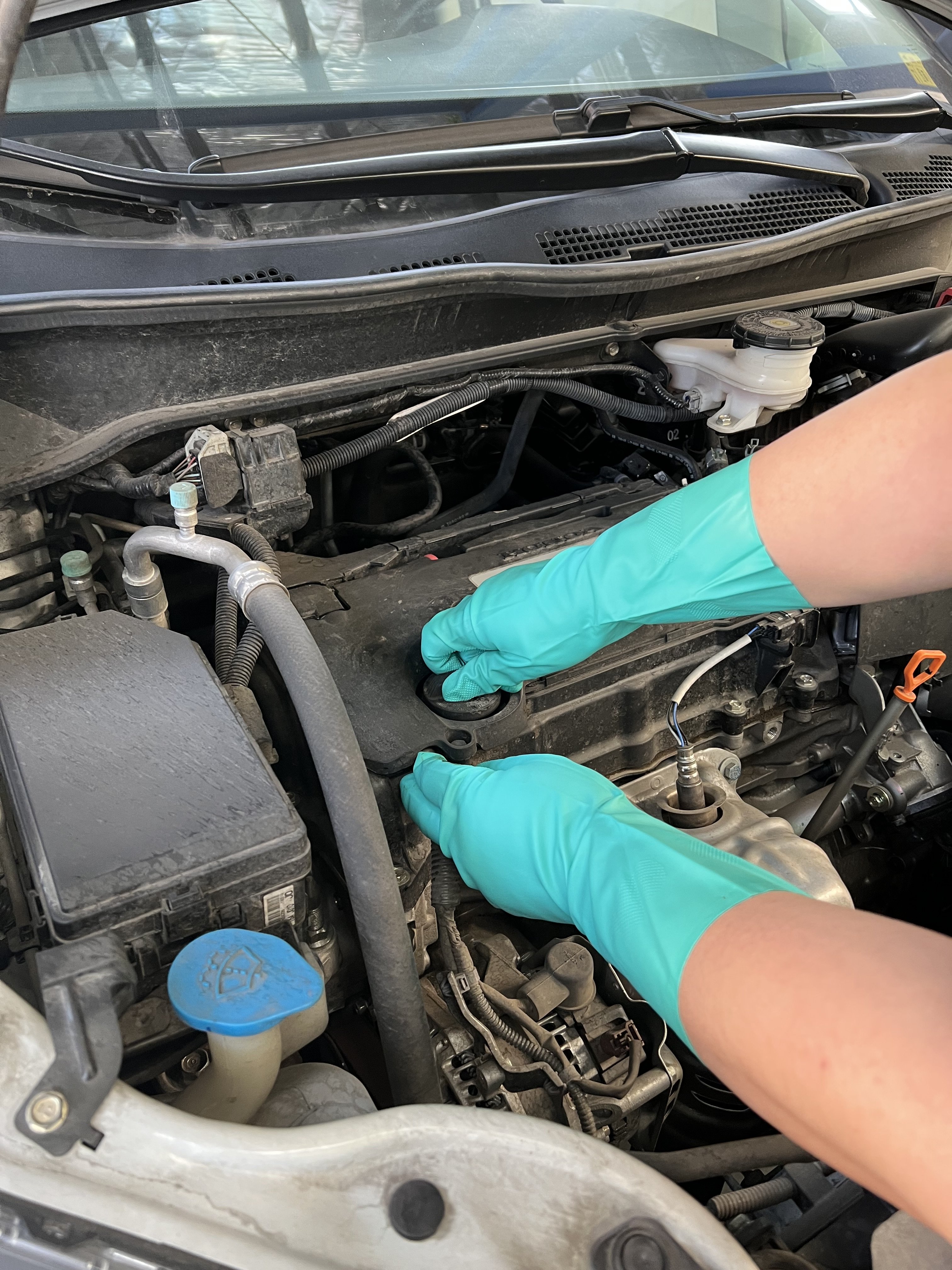
Skin allergies
Since nitrile gloves do not contain natural latex proteins, they are generally considered low-allergen gloves. Even so, a small number of people may still experience skin discomfort and allergic reactions during use and wearing. The main reasons include chemical additives used in production, powder residue, as well as prolonged sweating inside the gloves and using them on already damaged skin. These factors can irritate originally sensitive skin, leading to redness, itching, eczema, dermatitis, and other more serious skin problems.
Remember, no glove is truly universal, especially if your skin is sensitive. Repeated trials are often necessary to find the most suitable one for you.
Single-use and reusable use
Disposable nitrile gloves, as the name suggests, are for single use. To avoid cross-contamination, they should be discarded after opening and use, especially after contact with chemicals and contaminants; they should be properly removed and not reused.
Reusable nitrile gloves should be inspected immediately after use for any signs of damage. Any stains on the gloves should be cleaned immediately, then the gloves should be placed in a cool, dry place to air dry. Before reuse, the gloves should be checked again. If there is any damage or deterioration, stop using them immediately.
結論
In summary, although nitrile gloves have excellent chemical resistance, oil resistance, abrasion resistance, and tear resistance, and are widely used, they are not all-purpose. Clearly understanding the limitations of nitrile gloves and prioritizing safety—knowing when they should not be used—is a safeguard for life and something you must understand.
If you still have any questions about nitrile gloves or are interested in purchasing them, please お問い合わせ as soon as possible. Aibon will provide you with full-service support!
手袋のサイズの測り方 – 出典:AIBON
ラテックス手袋– 出典:AIBON
安全手袋– 出典:AIBON
作業用手袋– 出典:AIBON
よくある質問
卸売り注文について、オーダーメイドのカスタマイズに対応していますか?
はい、手袋の色、重量、ロゴ、梱包、その他の具体的な仕様など、お客様のご要望に応じて手袋をカスタマイズすることが可能です。ご要望をお知らせいただければ、ご満足いただけるソリューションをご提供いたします。.
大量注文やカスタマイズ注文の場合、最低注文数量(MOQ)はどのくらいですか?
標準製品については、最低注文数量の制限はございません。カスタマイズされた手袋については、具体的なご要望に基づき最低注文数量を算出いたします。お客様に最高品質の手袋をご提供できるよう、最善を尽くす所存ですので、どうぞご安心ください。.
どのような種類のニトリル手袋を取り扱っていますか?
主な製品は、再利用可能な化学用ニトリル手袋、工業用化学用ニトリル手袋、および使い捨てニトリル手袋です。もちろん、カスタマイズにも対応しており、お客様のご要望に応じてどのような製品でもお作りいたします。.
ニトリル手袋のアフターサービス
手袋に破損、穴、液漏れ、破れなどの不具合が生じた場合は、直ちにご連絡ください。無料で交換品をご提供するとともに、適切な補償として優遇措置を講じさせていただきます。当社はすべてのお客様へのサービス提供に全力を尽くし、優れたサービスの提供に努めてまいります。.
 English
 Spanish
 Hindi
 Portuguese
 German
 Russian
 French
 Korean
 Japanese