


Whether in daily life or in the workplace, 니트릴 장갑 are an indispensable piece of personal protective equipment. Nitrile gloves are mainly made by producing nitrile rubber through emulsion polymerization of acrylonitrile and butadiene, then adding additives such as vulcanizing agents, stabilizers, accelerators, and pigments. They are formed through processes such as hand mold forming, vulcanization, washing, and drying, and are finally demolded into the finished product.
However, nitrile gloves are not all-purpose. Using them in appropriate environments can greatly improve efficiency; otherwise, the consequences can be serious. So, in what situations should nitrile gloves not be used? Next, we will comprehensively answer this question for you.
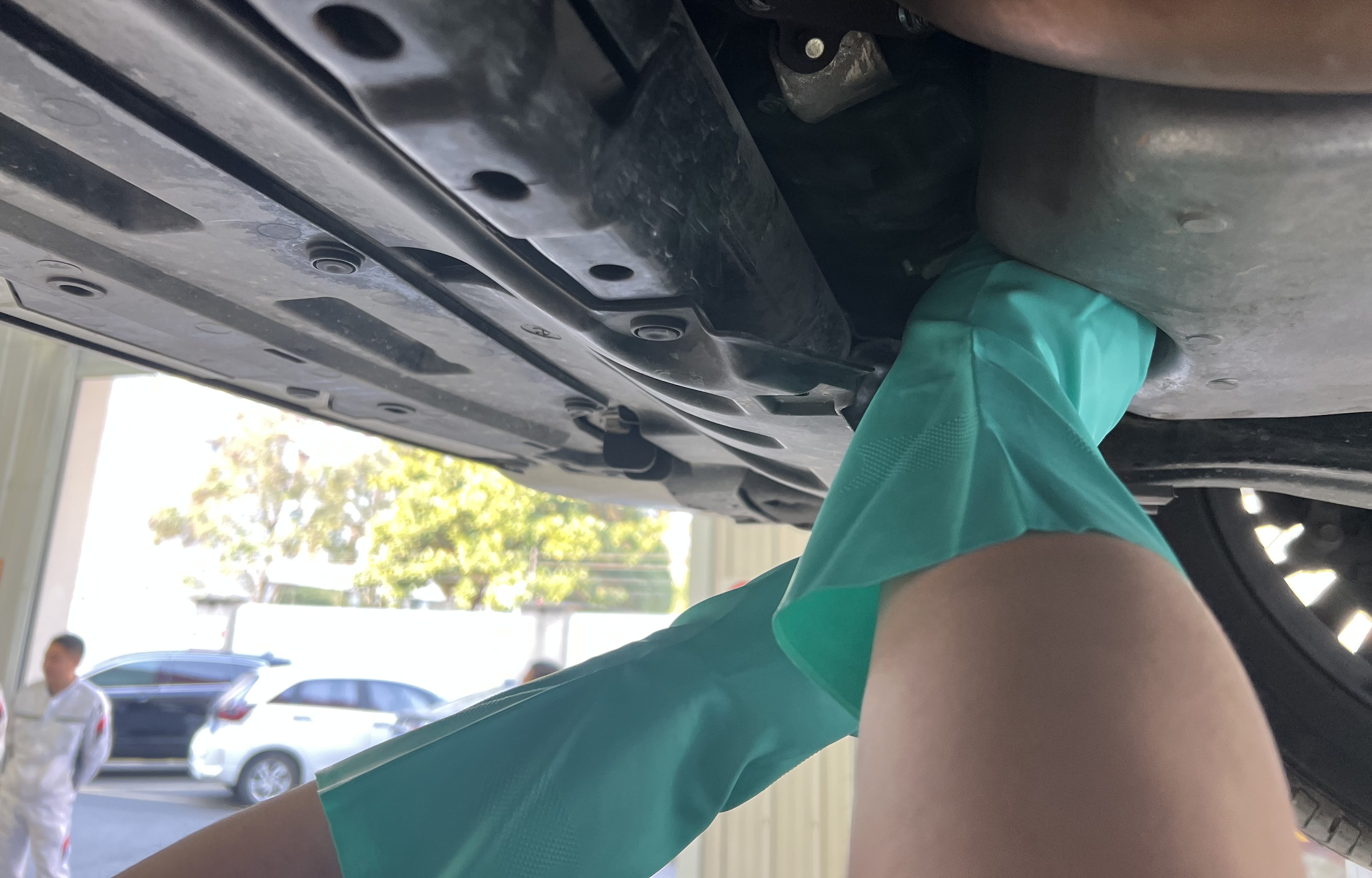
High-temperature environments
When the temperature continues to rise, the molecular structure of nitrile gloves will be severely damaged, leading to molecular chain breakage and oxidation reactions. As a result, the elasticity of nitrile gloves decreases, causing the gloves to become hard, brittle, and cracked, with reduced tensile strength, and even surface sticking, yellowing, deformation, and a decline in mechanical performance. This accelerates material fatigue and prevents the gloves from maintaining their original performance.
When handling strong corrosive and strong oxidizing chemicals
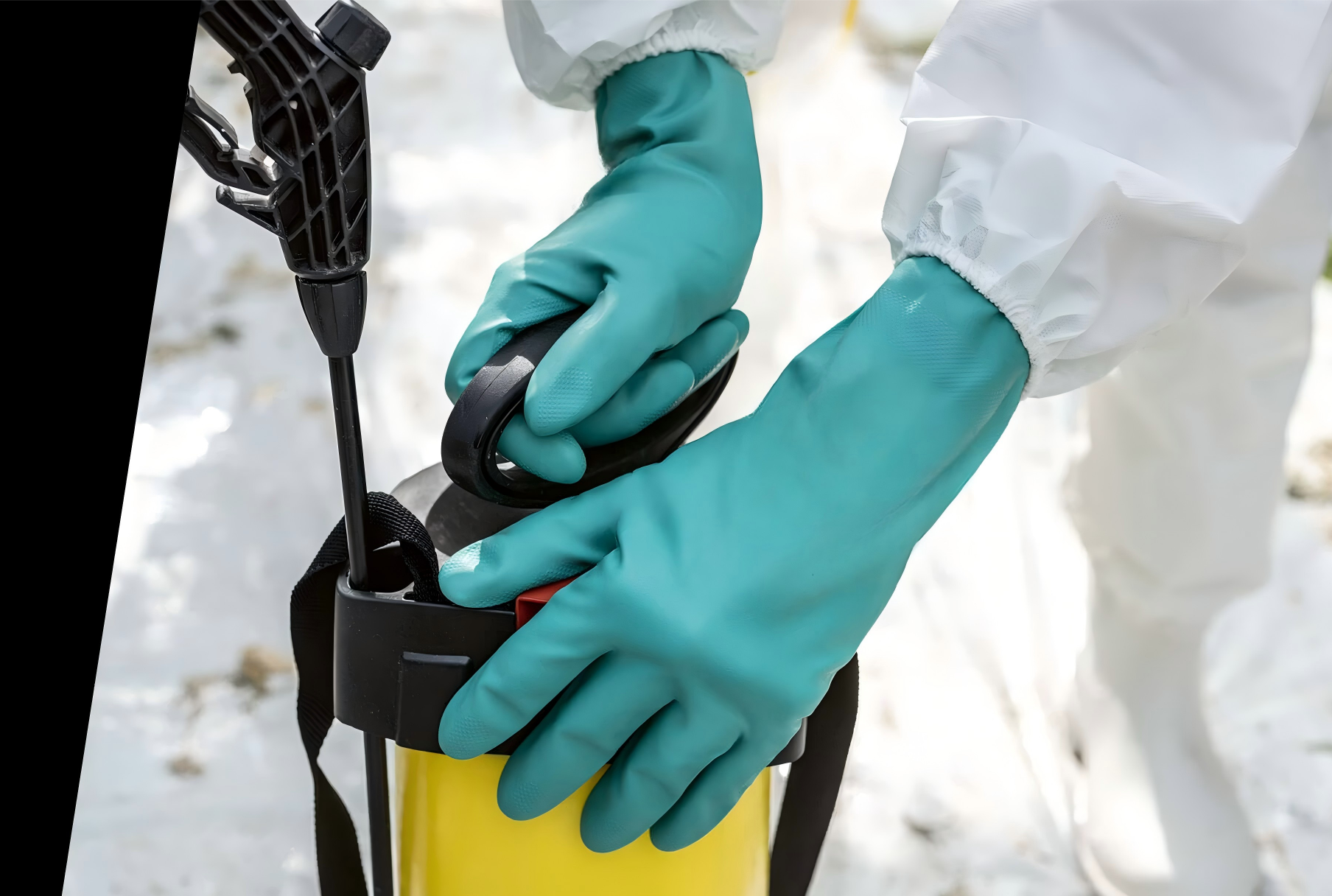
Although nitrile gloves have excellent chemical resistance, they cannot resist all chemicals. In particular, in environments involving strong acids, strong alkalis, and other highly corrosive chemicals, as well as acetone, concentrated nitric acid, acetate compounds, and other organic solvents and strong oxidizing chemicals, nitrile gloves can easily soften, swell, discolor, corrode, and even develop cracks and perforations. This renders their original protective performance ineffective, allowing chemicals to directly contact the skin and cause irreversible damage.
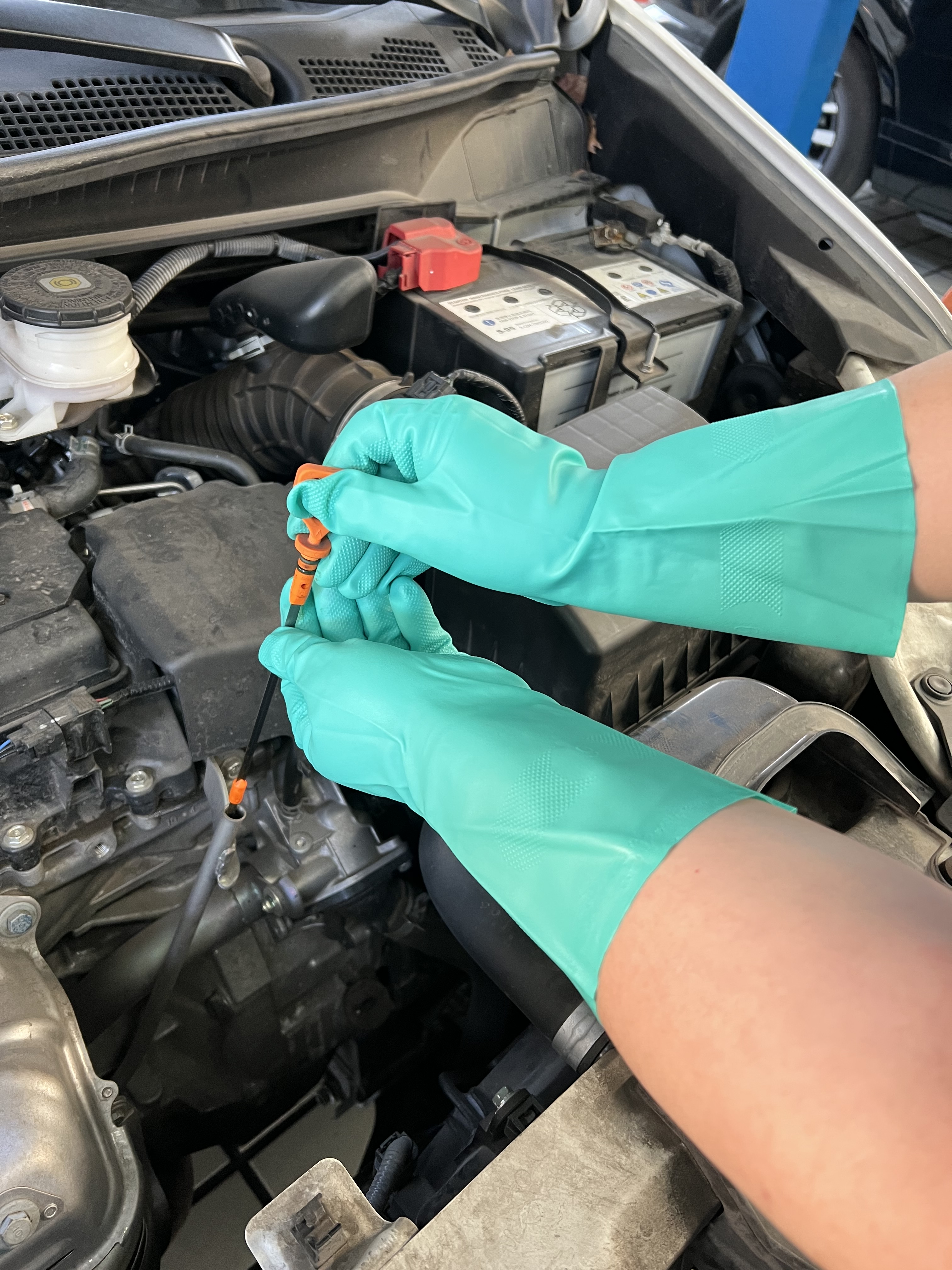
Long-term contact with sharp and pointed objects
Nitrile gloves are primarily designed for chemical protection, not professional cut resistance. Therefore, long-term contact with knives, blades, metal edges, glass, and other sharp objects can cause surface damage, cracks, abrasion, and even puncturing of the gloves, leading to unnecessary trouble and accidents.
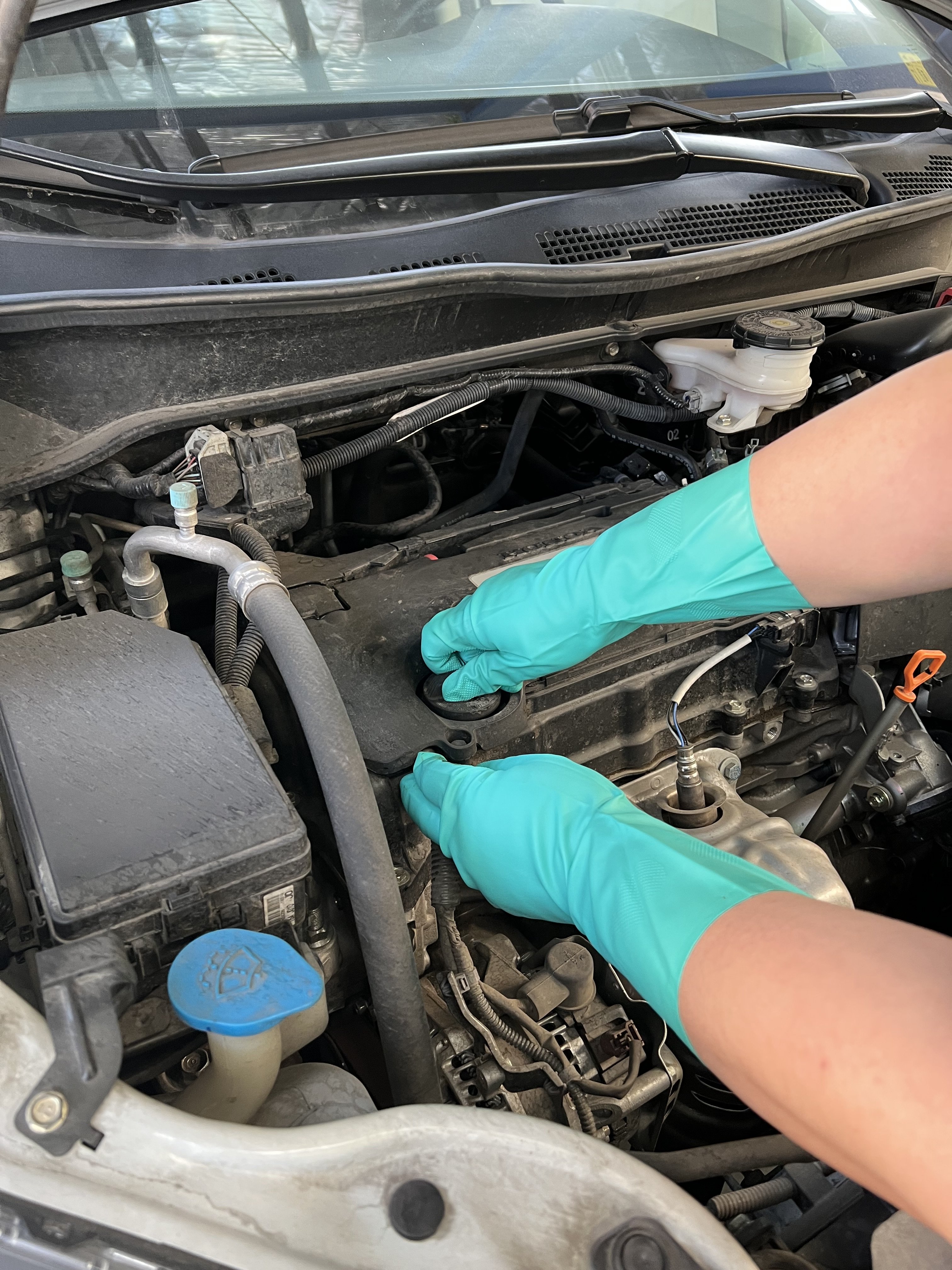
Skin allergies
Since nitrile gloves do not contain natural latex proteins, they are generally considered low-allergen gloves. Even so, a small number of people may still experience skin discomfort and allergic reactions during use and wearing. The main reasons include chemical additives used in production, powder residue, as well as prolonged sweating inside the gloves and using them on already damaged skin. These factors can irritate originally sensitive skin, leading to redness, itching, eczema, dermatitis, and other more serious skin problems.
Remember, no glove is truly universal, especially if your skin is sensitive. Repeated trials are often necessary to find the most suitable one for you.
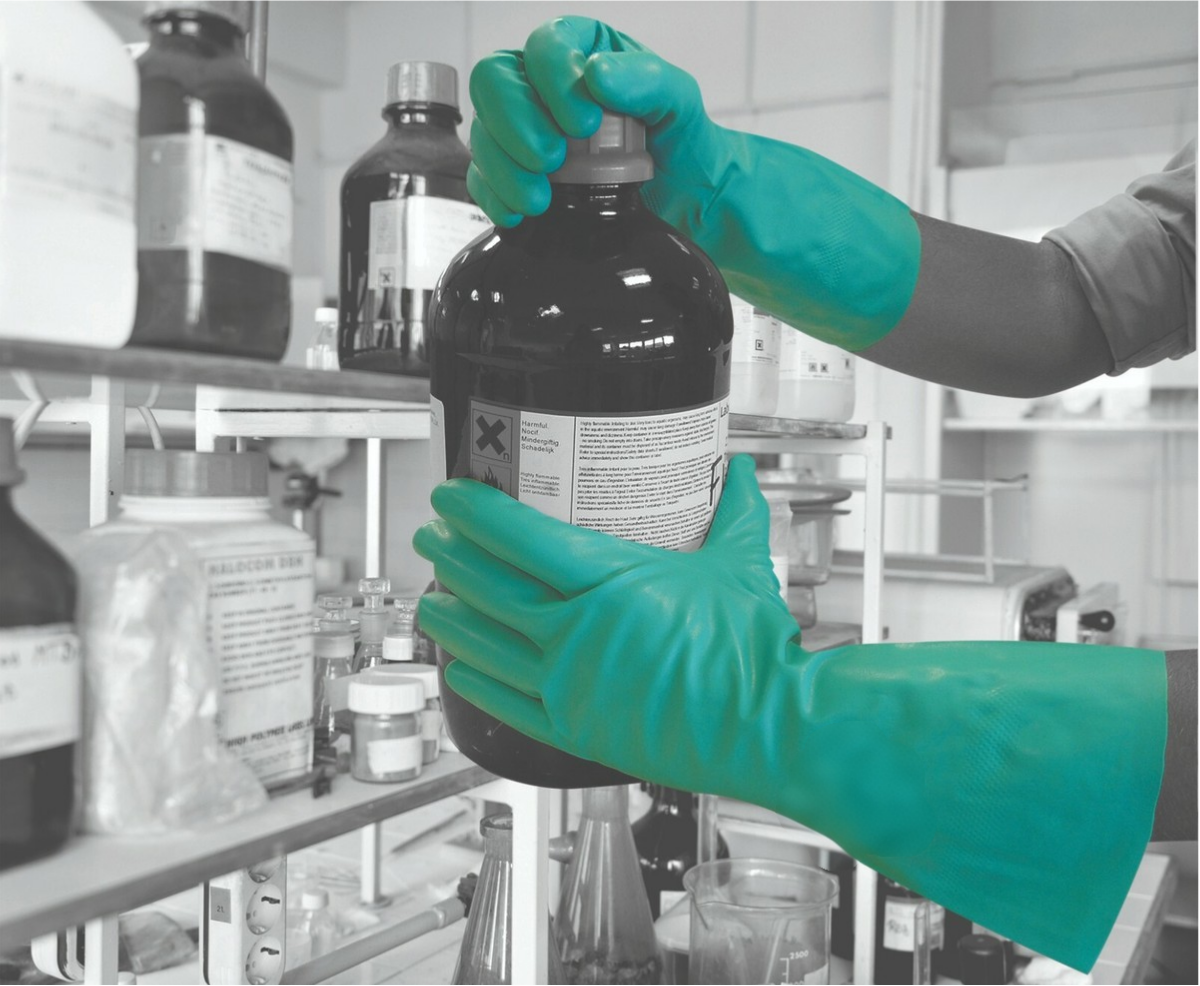
Single-use and reusable use
Disposable nitrile gloves, as the name suggests, are for single use. To avoid cross-contamination, they should be discarded after opening and use, especially after contact with chemicals and contaminants; they should be properly removed and not reused.
Reusable nitrile gloves should be inspected immediately after use for any signs of damage. Any stains on the gloves should be cleaned immediately, then the gloves should be placed in a cool, dry place to air dry. Before reuse, the gloves should be checked again. If there is any damage or deterioration, stop using them immediately.
결론
In summary, although nitrile gloves have excellent chemical resistance, oil resistance, abrasion resistance, and tear resistance, and are widely used, they are not all-purpose. Clearly understanding the limitations of nitrile gloves and prioritizing safety—knowing when they should not be used—is a safeguard for life and something you must understand.
If you still have any questions about nitrile gloves or are interested in purchasing them, please 문의하기 as soon as possible. Aibon will provide you with full-service support!
장갑 사이즈 측정 방법 아이본
라텍스 장갑아이본
안전장갑아이본
작업용 장갑아이본
자주 묻는 질문
도매 주문에 대해 맞춤형 설정을 지원해 주시나요?
네, 장갑 색상, 무게, 로고, 포장 및 기타 구체적인 사양을 포함하여 고객님의 요구 사항에 맞춰 장갑을 맞춤 제작해 드릴 수 있습니다. 고객님께서 필요한 사항을 알려주시기만 하면, 만족스러운 솔루션을 제공해 드리겠습니다.
대량 주문이나 맞춤 주문의 최소 주문 수량(MOQ)은 얼마인가요?
표준 제품의 경우 최소 주문 수량 제한이 없습니다. 맞춤형 장갑의 경우, 최소 주문 수량은 구체적인 요구 사항에 따라 산정됩니다. 고객님께서 가능한 한 최상의 품질의 장갑을 확보하실 수 있도록 최선을 다해 도와드리겠으니 안심하시기 바랍니다.
어떤 종류의 니트릴 장갑을 취급하고 계신가요?
주요 제품으로는 재사용 가능한 화학용 니트릴 장갑, 산업용 화학용 니트릴 장갑, 일회용 니트릴 장갑이 있습니다. 물론 맞춤형 제작도 가능합니다. 고객님께서 필요로 하시는 어떤 제품이든 제작해 드립니다.
니트릴 장갑에 대한 사후 서비스
장갑에 파손, 구멍, 누수, 찢어짐 등의 손상이 발생한 경우, 즉시 당사에 연락해 주시기 바랍니다. 당사는 무료 교체 서비스를 제공하며, 적절한 보상으로 우대 정책을 적용해 드립니다. 당사는 모든 고객님께 최선을 다해 모시며, 우수한 서비스를 제공하기 위해 노력하고 있습니다.
 English
 Spanish
 Hindi
 Portuguese
 German
 Russian
 French
 Korean
 Japanese