


In the catering industry and food processing environments where direct contact with food is required, gloves may not be the first thing that comes to mind, yet they are indispensable. They not only protect hands from injury but also serve as a critical safeguard for food safety. Therefore, you should be extremely cautious when selecting suitable kitchen gloves. Next, we will provide a step-by-step detailed analysis of the key points for choosing kitchen gloves.
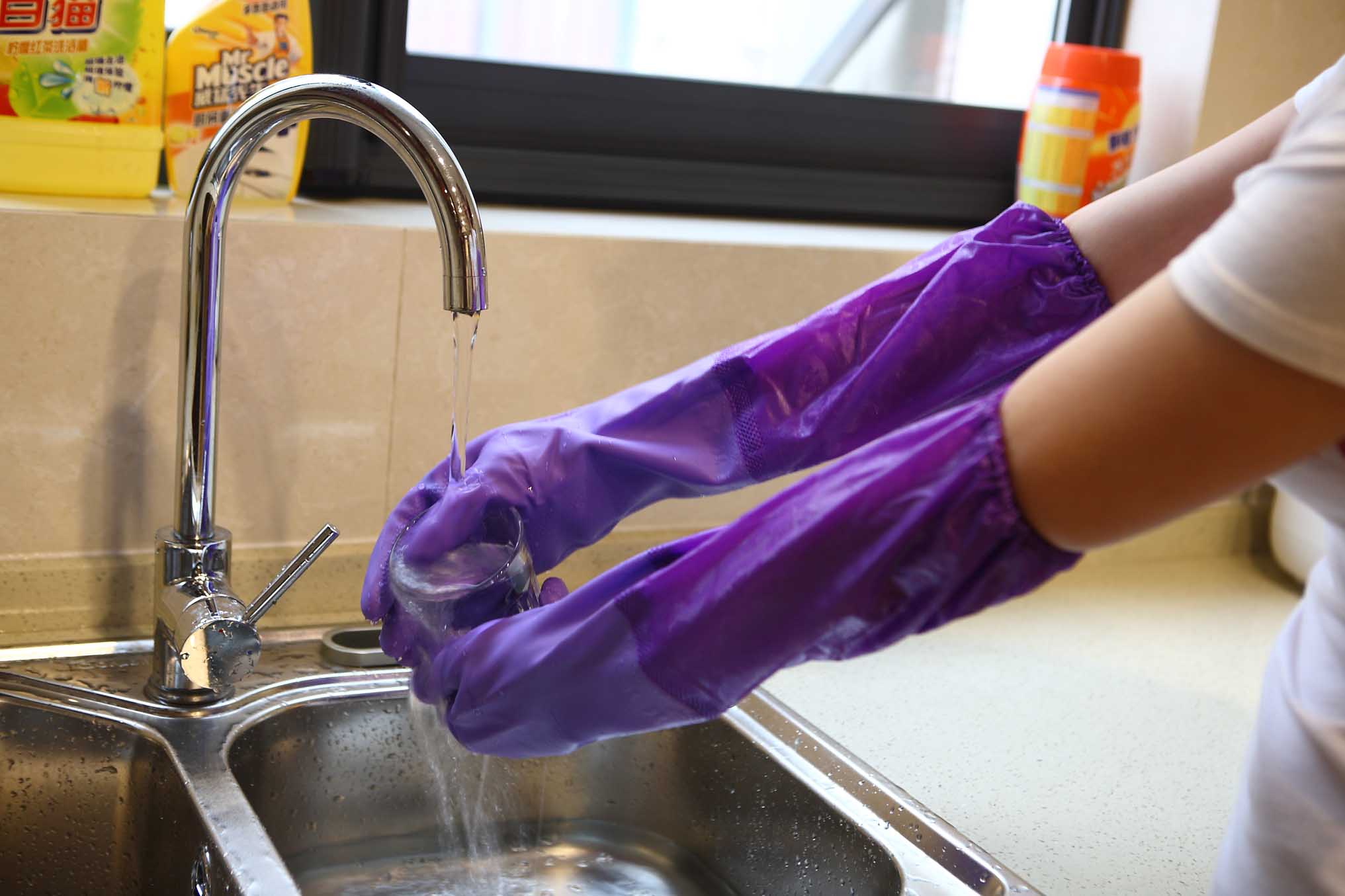
Clarify the Usage Environment
Before selecting kitchen gloves, you must first identify the application scenarios and potential hazards in the environment, and then choose the appropriate gloves based on your needs.
Food Processing Industry
The food processing industry frequently involves contact with grease, blood, cleaning agents, and other contaminants, often accompanied by long working hours and extremely high requirements for food hygiene and safety. Therefore, kitchen gloves must not only have excellent waterproof and oil-resistant properties, but also outstanding tear resistance and anti-fouling performance, thereby effectively improving work efficiency.
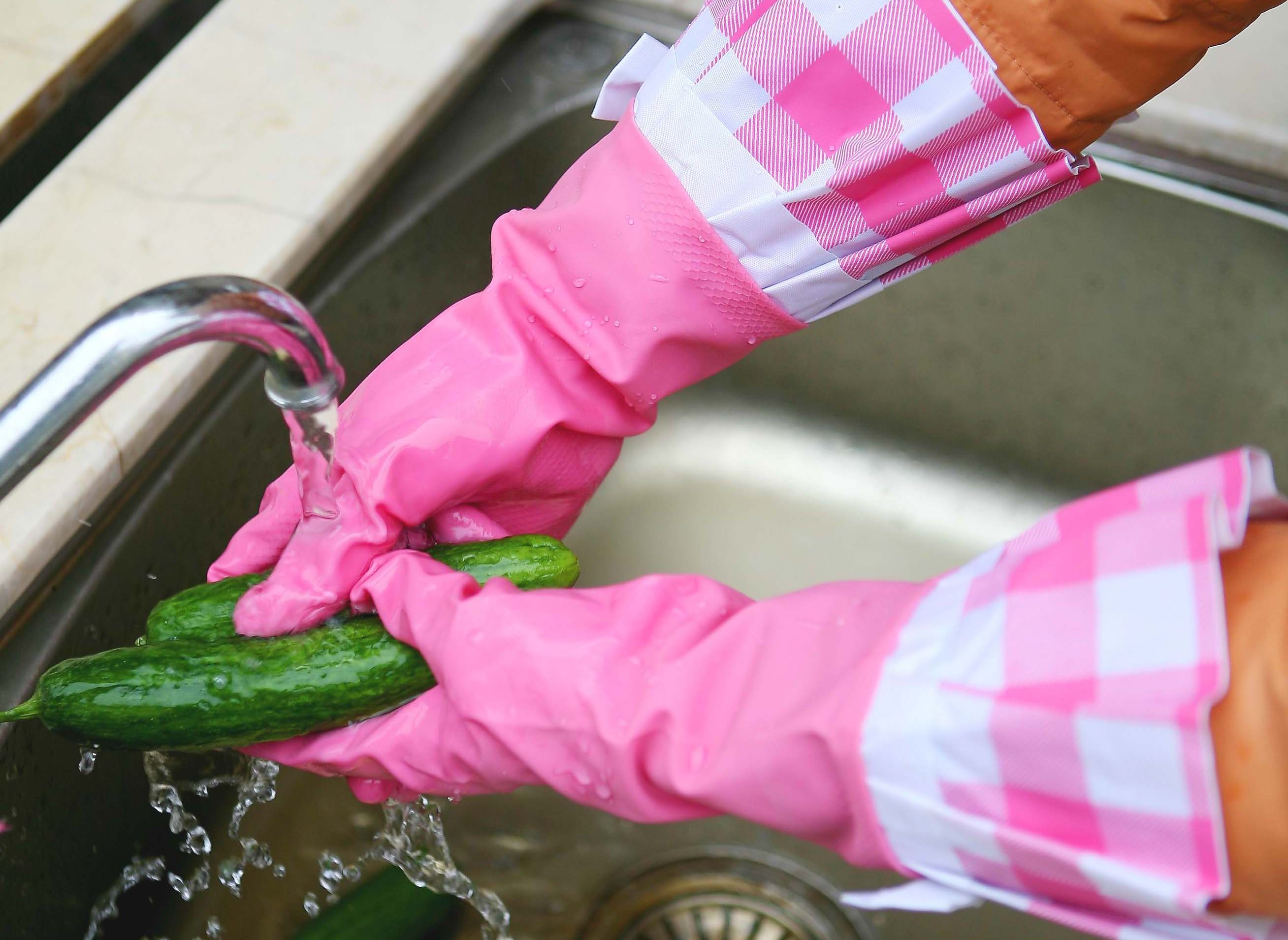
Catering Service Industry
The catering service industry requires a certain level of precision in operations. Therefore, kitchen gloves need to fit closely to the hands, offering excellent flexibility and sensitivity. They should be comfortable and convenient to use, provide a stable grip in wet and greasy environments, and ensure consistent performance under high-pressure working conditions, reducing the risk of accidents.
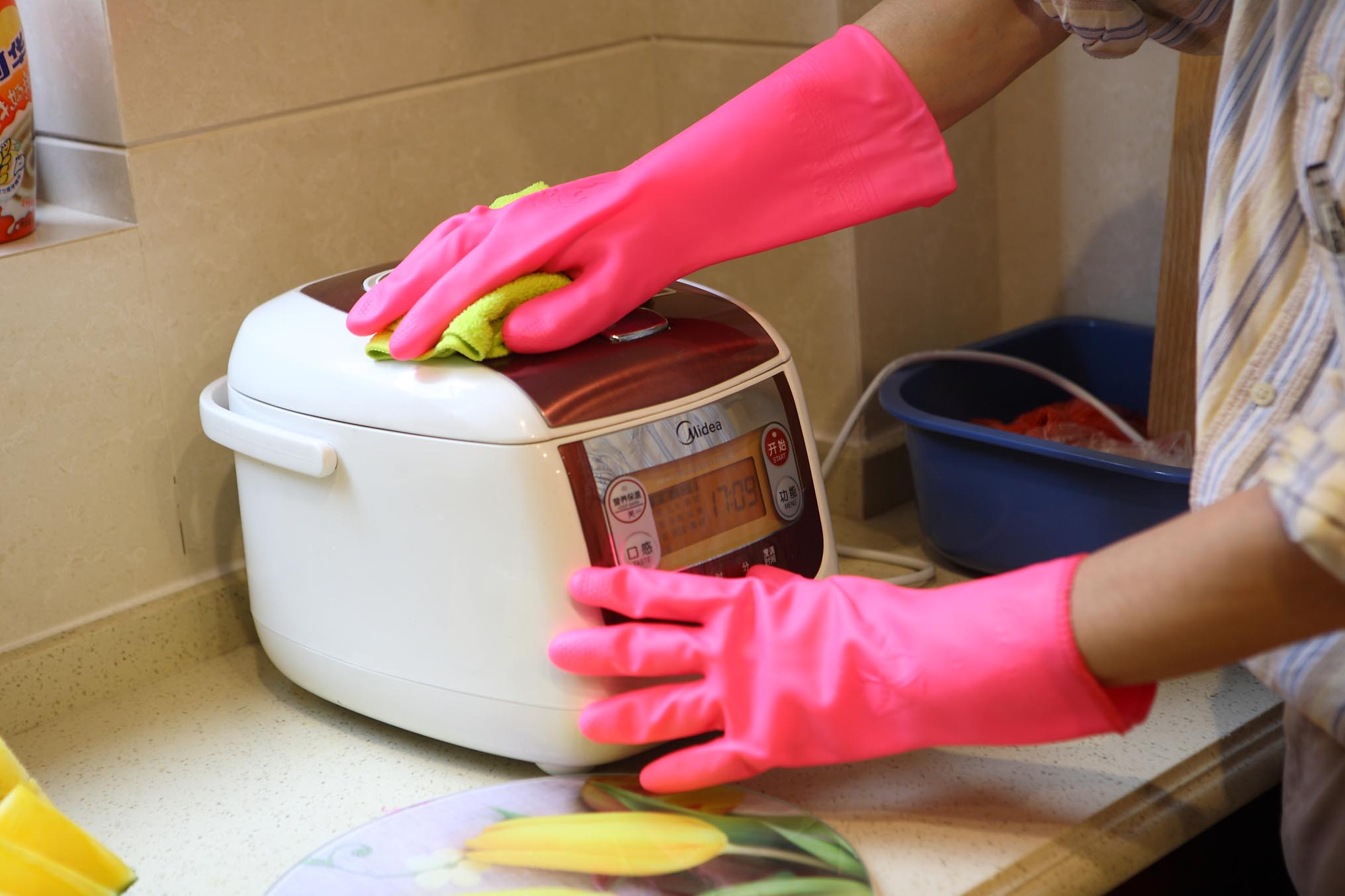
Household Tasks
Household tasks mainly involve dishwashing, grease cleaning, and kitchen surface maintenance. Therefore, the requirements for kitchen gloves are more stringent. They must provide strong anti-slip performance, as well as excellent chemical resistance and durability, ensuring that the gloves do not get damaged easily and provide full hand protection. At the same time, comfort and breathability are also essential for comprehensive protection.
Materials of Kitchen Gloves
Different materials determine different performance characteristics of kitchen gloves, and naturally correspond to different usage scenarios. Therefore, the material is the most critical factor to clarify when selecting kitchen gloves. Below, we introduce several common materials used in kitchen gloves.
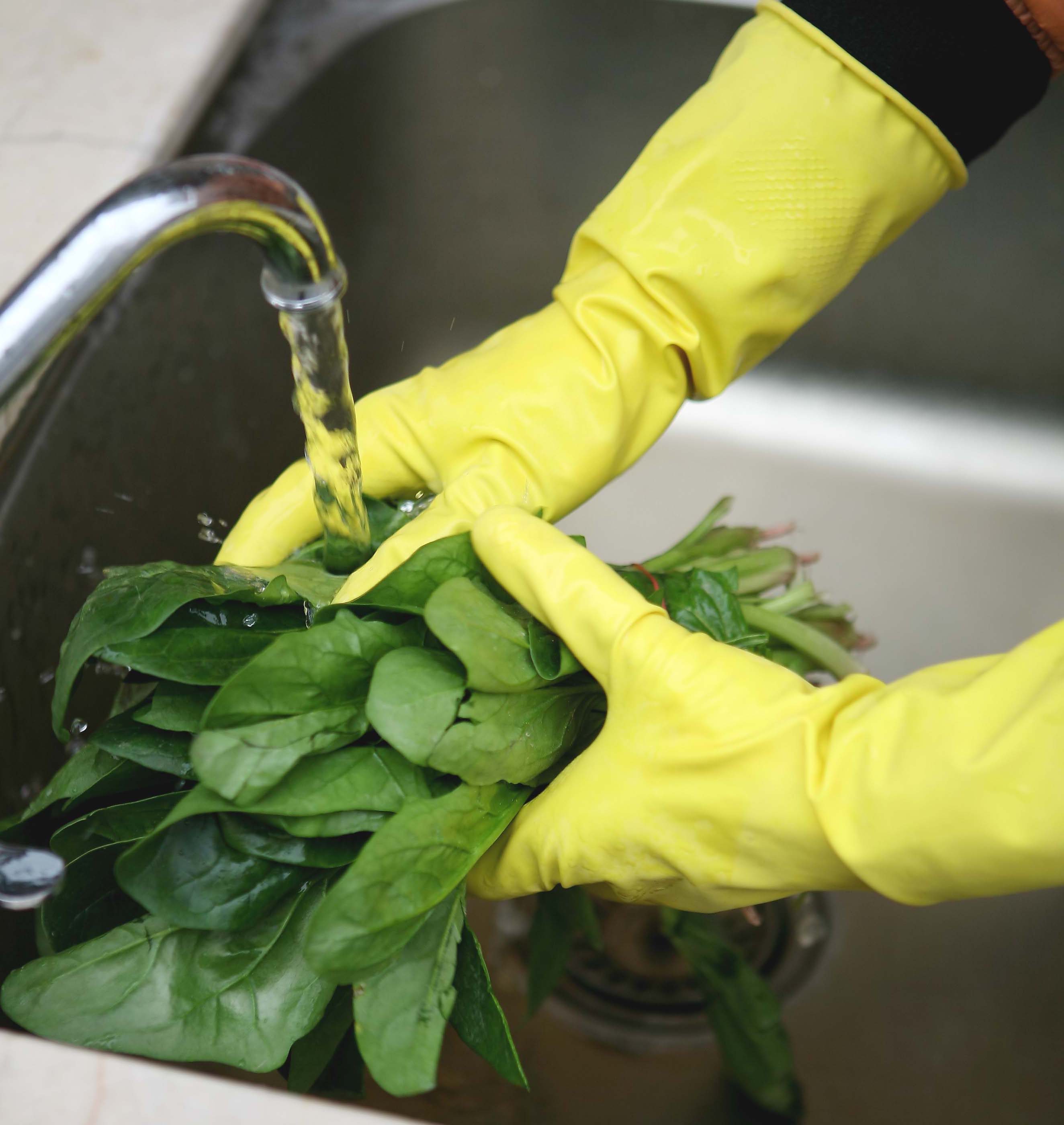
Gants en latex
Gants en latex are made from the sap extracted from Brazilian rubber trees. After filtration and the addition of chemical additives, they undergo a series of processes such as dipping onto glove molds, heating and curing, washing, and rinsing, eventually forming the final product. They are a combination of natural latex and synthetic materials.
Latex gloves fit closely to the hands, offer excellent elasticity, and allow for precise operations. Due to their dense material structure, they can effectively prevent water, grease, cleaning agents, and other contaminants from penetrating the hands, thus protecting them from harm and improving comfort and safety during work.
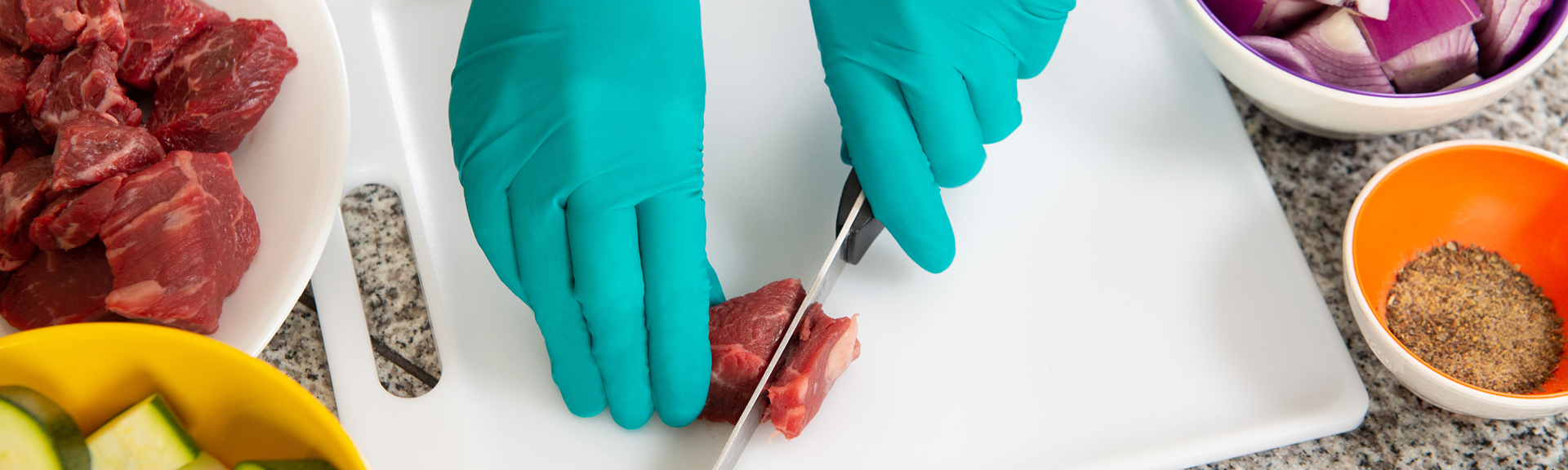
Gants en nitrile
Gants en nitrile are mainly produced by polymerizing acrylonitrile and butadiene into nitrile rubber, followed by the addition of vulcanizing agents, stabilizers, accelerators, and pigments. They are then formed through processes such as hand mold dipping, vulcanization, washing, and drying before being removed from the mold.
Nitrile gloves can resist the erosion of various chemicals such as grease, cleaning agents, and solvents. They offer excellent tear resistance and puncture resistance, making them less prone to damage and providing more reliable protection. Additionally, since they do not contain natural latex, they do not cause latex allergies, which is a significant advantage for individuals sensitive to latex.

Gants jetables
Gants jetables play a core role in ensuring food hygiene. They help reduce the risk of cross-contamination and prevent the spread of bacteria, grease, and chemical residues between different items, directly addressing food safety concerns at the source.
Disposable gloves are lightweight and comfortable to wear, fit closely to the hands, and provide basic hand protection along with good flexibility. They are convenient for frequent replacement and easy to put on and take off, improving overall kitchen efficiency while reducing skin irritation and ensuring cleaner operations.

Gants anti-coupure
Gants résistants aux coupures are mainly made by weaving high-quality materials such as HPPE, Kevlar, and glass fiber. They can effectively resist injuries caused by knives, cutting tools, and machinery, ensuring hand safety and reducing the risk of accidental injuries.
These gloves offer excellent cut resistance and tear resistance. In addition, they maintain a comfortable feel and strong grip, thereby improving safety when handling complex materials and performing manual operations.
Certifications for Kitchen Gloves
After selecting the appropriate material for your kitchen gloves, you should also confirm that the supplier complies with international food safety standards such as FDA and EU regulations, as well as mechanical protection standards like EN388 and ANSI, to ensure the quality of the gloves.
Conclusion
In summary, there are various types of kitchen gloves available. The most important selection criteria should be based on your specific needs and usage environment. If you are interested in kitchen gloves or would like to learn more about them, please contact us as soon as possible. Aibon will provide full support and answer all your questions!
Comment mesurer la taille des gants – Source : AIBON
Gants en latex– Source : AIBON
Gants de sécurité– Source : AIBON
Gants de travail– Source : AIBON
FAQ
Quel est le délai de fabrication pour les gants personnalisés ?
After receiving your order, we aim to complete production within 30 to 45 days. Large-volume orders may require 60 to 90 days. We can arrange flexibly—if you require an expedited order, please discuss the details with our team.Please note: Our production lead time does not include shipping time and starts from the confirmation of your design artwork.
Quels sont les conditions et les modes de paiement ?
Nos conditions de paiement habituelles exigent un acompte au départ, le solde étant réglé avant l'expédition.
Nous préférons le virement bancaire sur le compte bancaire de notre entreprise. Nous acceptons également PayPal, le virement télégraphique (T/T), le crédit documentaire (L/C), Alibaba, Alipay, WeChat Pay et les paiements sur des comptes bancaires personnels.
Quelle est la quantité minimale de commande (MOQ) pour les gants de sécurité ?
Pour les modèles standard, nous avons généralement du stock disponible. Pour les produits personnalisés, la quantité minimale de commande (MOQ) doit être discutée plus en détail en fonction des exigences spécifiques.
Est-il adapté à une coopération à long terme et à des achats en grand volume ?
Oui. Aibon personnalise des solutions dédiées pour chaque client afin de garantir un approvisionnement stable et à long terme en gants de sécurité. Nous prenons également en charge les commandes d'achats annuelles, offrant un service fiable et de haute qualité tout au long de l'année.
Pouvez-vous personnaliser l'emballage ?
Oui, tout à fait. Nous pouvons non seulement personnaliser un emballage exclusif pour vous, mais aussi proposer des options de personnalisation telles que les logos des gants, les couleurs et même les étiquettes. Tant que vous avez une exigence, nous ferons de notre mieux pour la réaliser.
 English
 Spanish
 Hindi
 Portuguese
 German
 Russian
 French
 Korean
 Japanese