


In the catering service, food processing, and handling industries, food grade gloves are an indispensable form of protection. Therefore, how to choose gloves that meet food safety standards is of utmost importance. Next, we will provide you with a comprehensive analysis to ensure that you can select the most suitable food-grade gloves.
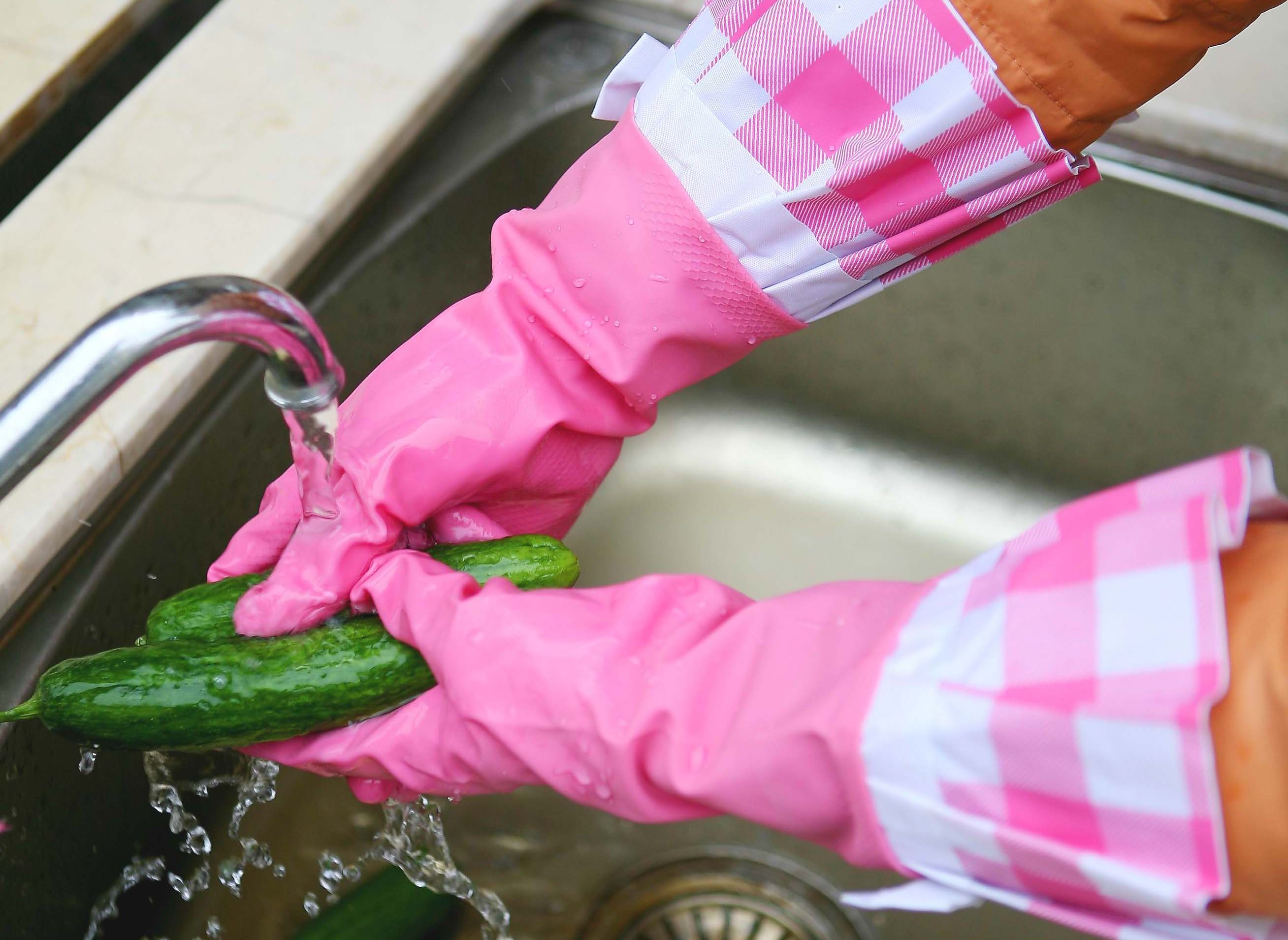
What are food grade gloves?
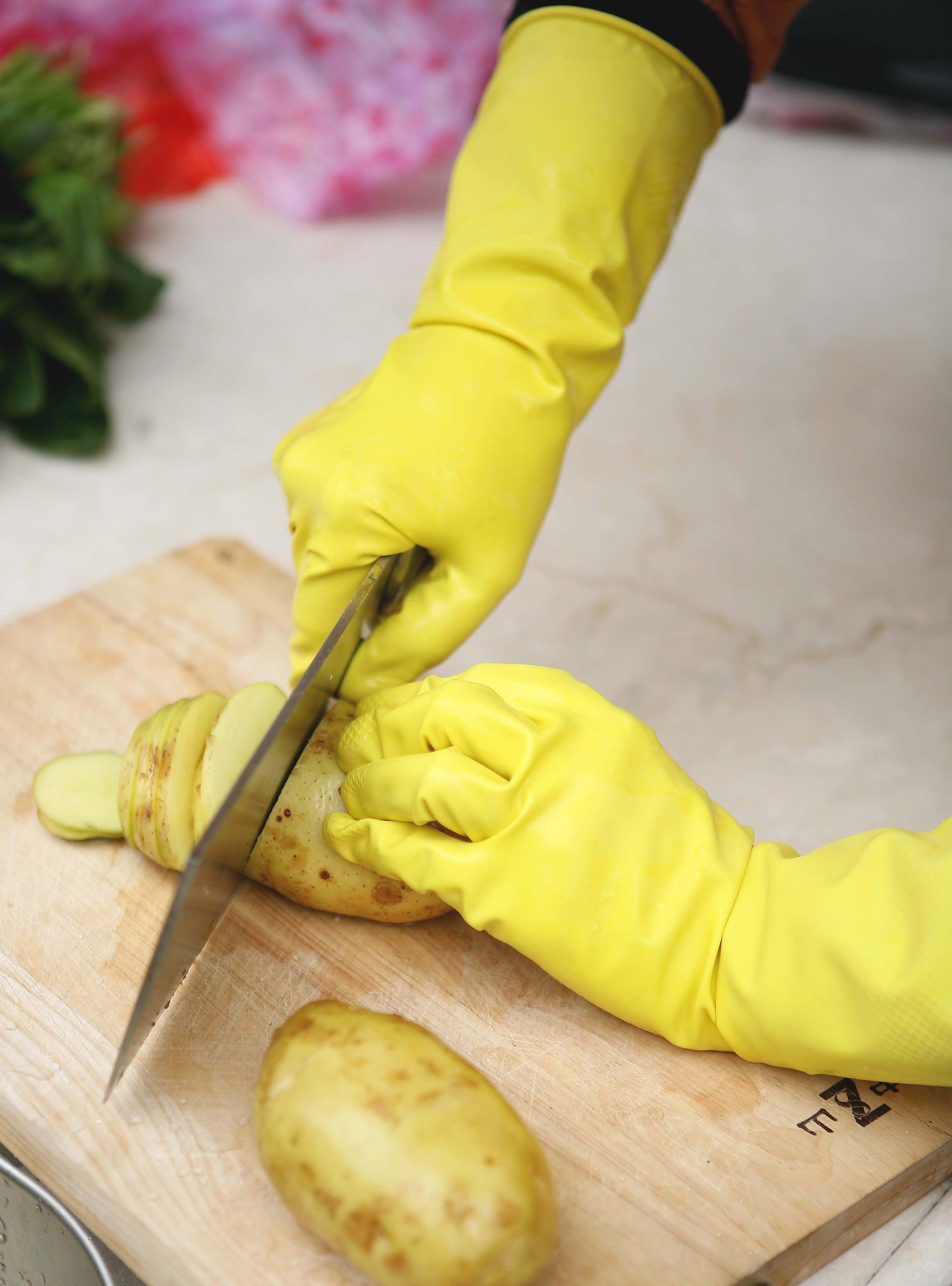
Food gloves are gloves that, during direct or indirect contact with food, do not contaminate it or cause cross-contamination. They effectively ensure food safety and hygiene and comply with international food safety regulations.
What are the common types of food grade gloves?
Nitrile Gloves
Nitrile gloves are mainly made from acrylonitrile and butadiene through emulsion polymerization to form nitrile rubber. Additives such as vulcanizing agents, stabilizers, accelerators, and pigments are then added. The gloves are formed through processes including molding, vulcanization, washing, and drying before final demolding.
Nitrile gloves effectively prevent direct contact between hands and food, avoiding contamination from bacteria, sweat, skin flakes, and other substances, thereby ensuring food hygiene and safety. In addition, they are resistant to oils, grease, acids, and alkalis, making them suitable for various environments. Moreover, nitrile gloves do not contain natural latex proteins and therefore do not cause allergic reactions, which is particularly beneficial for individuals with latex allergies.
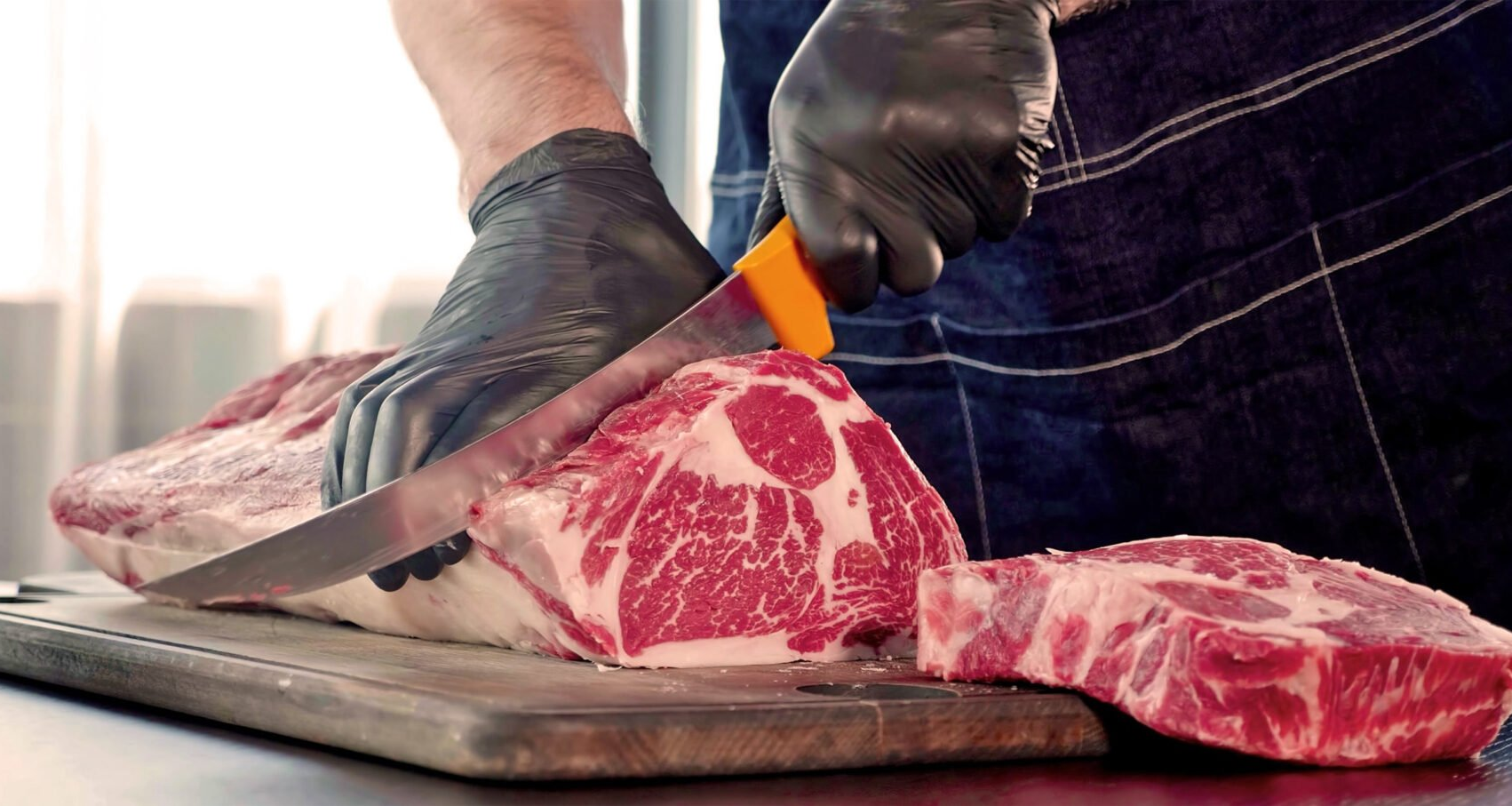
Latex Gloves
Latex gloves are made from the sap of the Brazilian rubber tree. After filtration and the addition of chemical agents, they undergo a series of processing steps including coating glove molds, heat curing, washing, and rinsing to form the final product. They are a combination of natural latex and synthetic materials.
Latex gloves help prevent the spread of bacteria, grease, and chemical residues between different items, addressing food safety issues at the source. They also offer excellent flexibility and tactile sensitivity, allowing for long-term wear. However, due to the presence of natural latex proteins, they may cause allergic reactions in some individuals, so they should be used with caution.
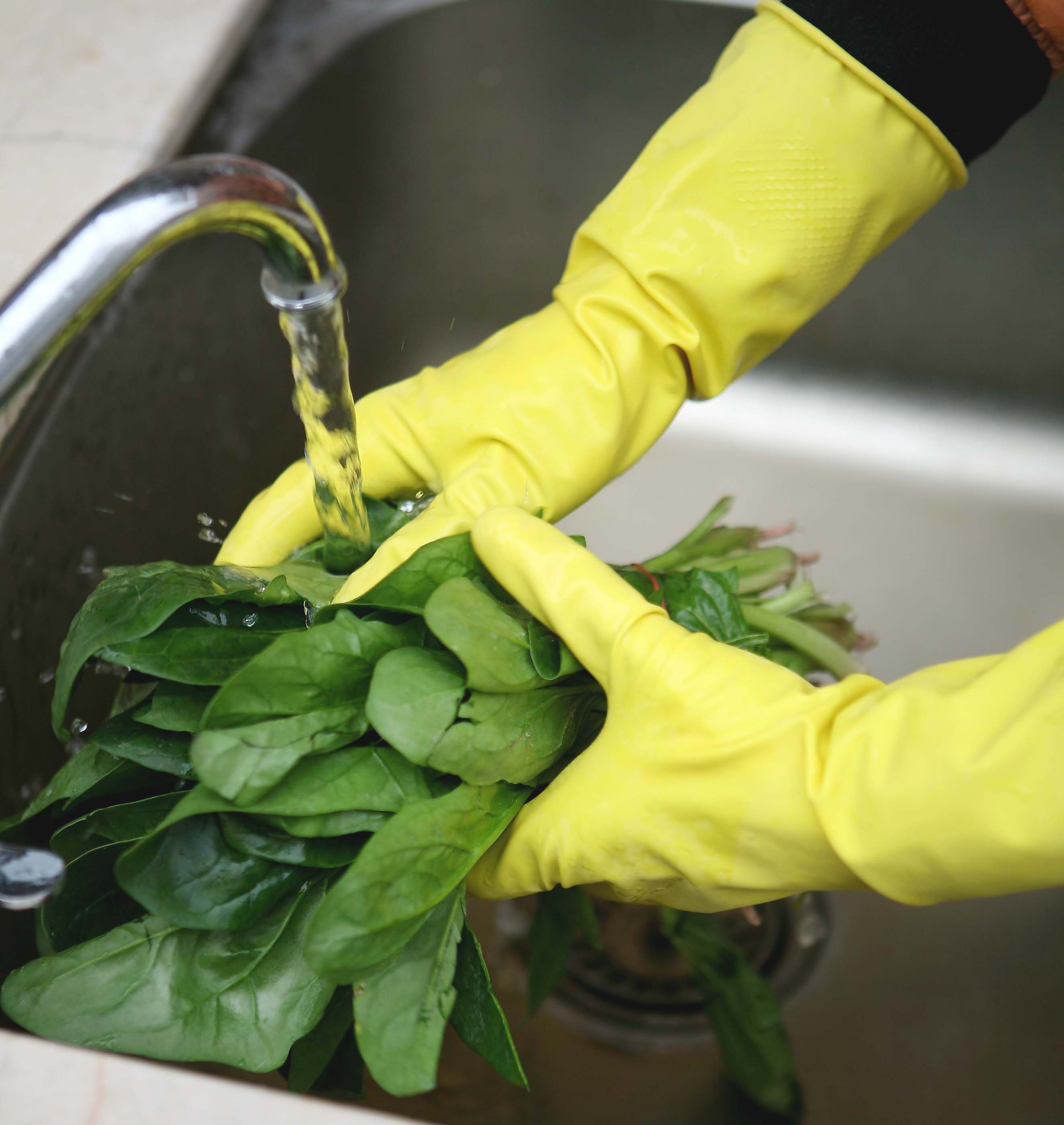
Disposable Gloves
Disposable gloves are protective gloves designed for single use and are discarded after use. They mainly serve to isolate the hands from the external environment, ensuring hygiene protection and contamination control.
Disposable gloves help prevent food contamination, improve hygiene standards, and reduce the spread of harmful substances such as microorganisms, bacteria, and viruses. In addition, they do not require cleaning or sterilization after use—simply replace them quickly, improving overall work efficiency and convenience.
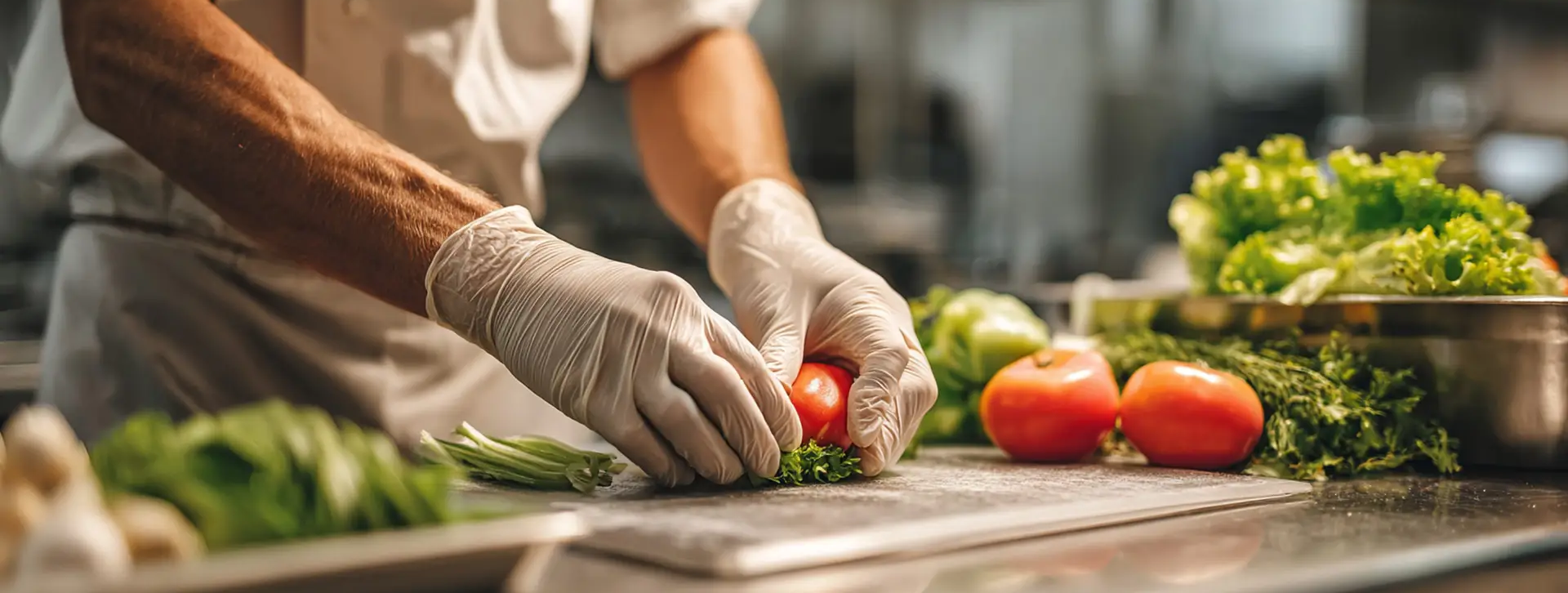
Cut Resistant Gloves
Cut resistant gloves are mainly made by weaving high-performance materials such as HPPE, Kevlar, and glass fiber. They effectively resist injuries to the hands from knives, cutting tools, cutting machines, and other sharp objects, ensuring hand safety and reducing the risk of accidental injury.
Cut resistant gloves not only protect hands from injury but also help prevent blood contamination of food, improving safety during work, reducing psychological stress, and maintaining efficiency. They are suitable for high-risk food processing environments such as meat processing, slaughtering, and seafood handling.

Certifications Required forfood grade gloves
Core Food Contact Regulations
Food-grade gloves must comply with the food contact regulations and standards of the exporting country. Common regulations include FDA (U.S. food contact certification) and EFSA (EU food contact regulations).
Conclusion
Compliance with international food contact regulations is the basic requirement for food grade gloves, but the key to selection lies in your specific needs. Choose the most suitable gloves based on your requirements. If you are unsure how to select the right food grade gloves, feel free to contact us. Aibon will provide you with professional recommendations and full support throughout the process!
How to Measure Glove Sizes – Source: AIBON
Latex gloves– Source: AIBON
Safety gloves– Source: AIBON
Working gloves– Source: AIBON
FAQ
Are Food handling gloves compliant with food safety standards?
Generally speaking, Food handling gloves are made from materials that comply with food contact safety standards.
Do Food handling gloves affect the taste or smell of food?
Under normal circumstances, Food handling gloves are made from low-odor materials, so they will not affect the taste of the food.
Can you customize the packaging?
Yes, absolutely. We can not only customize exclusive packaging for you, but also offer customization options such as glove logos, colors, and even labels. As long as you have a requirement, we will do our best to make it happen.
Is it suitable for long-term cooperation and large-volume purchasing?
Yes. Aibon customizes dedicated solutions for each client to ensure a stable, long-term supply of safety gloves. We also support annual procurement orders, providing reliable, high-quality service throughout the year.
What are the payment terms and methods?
We prefer bank transfer (T/T) to our company bank account. We also accept PayPal, T/T wire transfer, L/C (Letter of Credit), Alibaba, Alipay, WeChat Pay, and payments to personal bank accounts.
 English
 Spanish
 Hindi
 Portuguese
 German
 Russian
 French
 Korean
 Japanese