


Nitrile gloves can effectively resist chemicals such as acids, alkalis, and detergents, as well as oils such as motor oil, gasoline, lubricants, and organic solvents, making them indispensable personal protective equipment in laboratories, industrial manufacturing, chemical plants, and other work environments. Acetone, as a common organic solvent in chemical environments, can cause skin damage, so protective gloves must be worn when handling it. But can nitrile gloves effectively resist acetone? Next, we will provide a comprehensive answer to this question.

What are nitrile gloves?
Nitrile gloves are primarily made by polymerizing acrylonitrile and butadiene into nitrile rubber through emulsion polymerization. Additives such as vulcanizing agents, stabilizers, accelerators, and pigments are then added. After glove molding, vulcanization, washing, and drying, the gloves are finally demolded and formed.

What is acetone?
Acetone is a colorless, transparent, highly volatile, and highly flammable organic chemical solvent. It can quickly dissolve grease, oil stains, resins, coatings, and residual chemicals, often used as a cleaning solvent to reduce surface residues. It also serves as a basic raw material in the chemical industry for producing plastics, synthetic fibers, and cosmetic ingredients, holding an important position in chemical manufacturing.
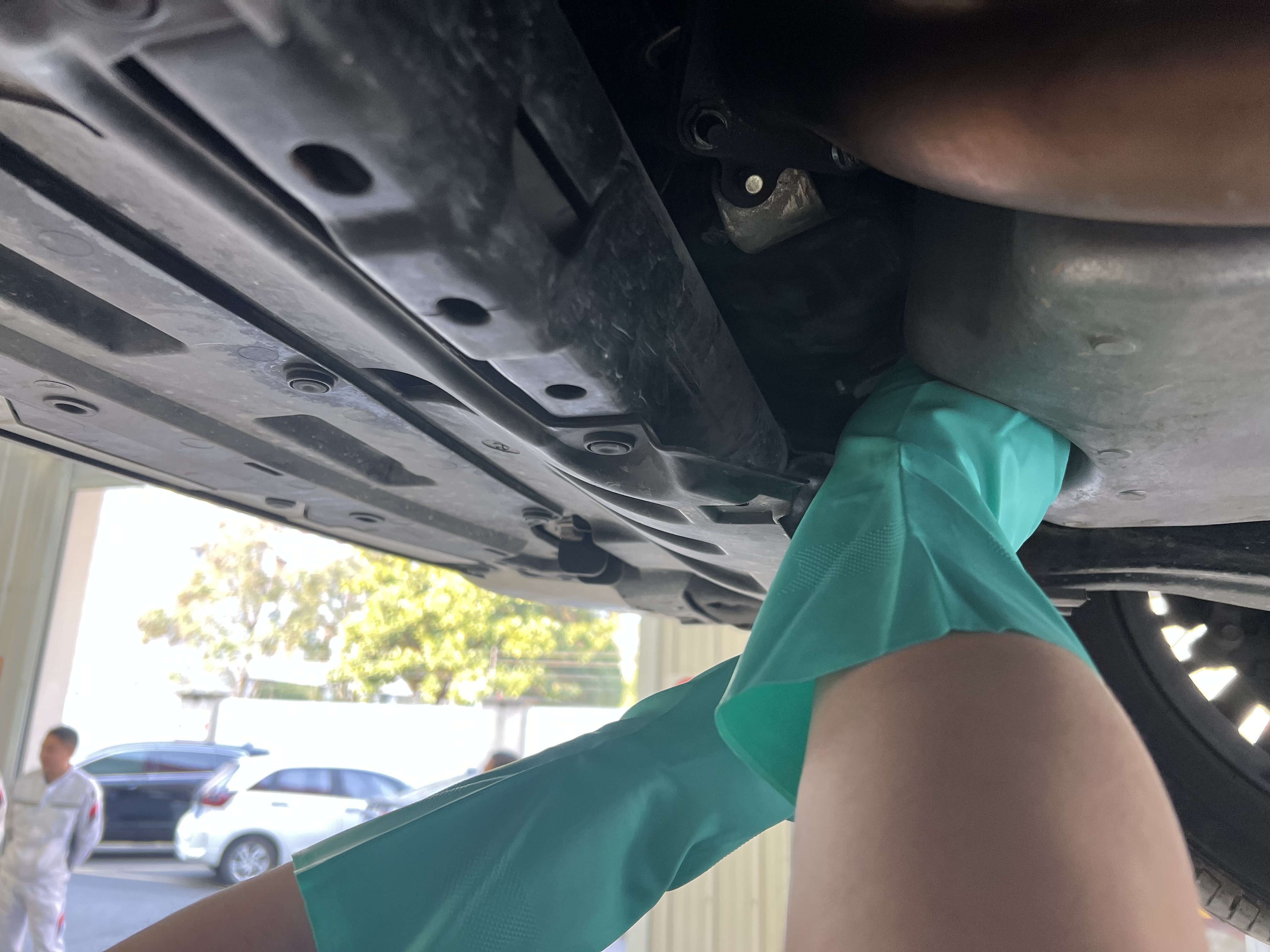
Are nitrile gloves resistant to acetone?
Although nitrile gloves have strong resistance to oils, fuels, acids, alkalis, and other chemicals and organic solvents, acetone is a powerful solvent with excellent dissolving and volatilizing properties. Prolonged exposure can damage the structure of nitrile material, causing glove swelling and deformation, reduced protective performance and permeation resistance, posing a significant risk to hand safety. Therefore, the resistance of nitrile gloves to acetone is limited, and caution is advised!
In what situations can nitrile gloves come into contact with acetone?
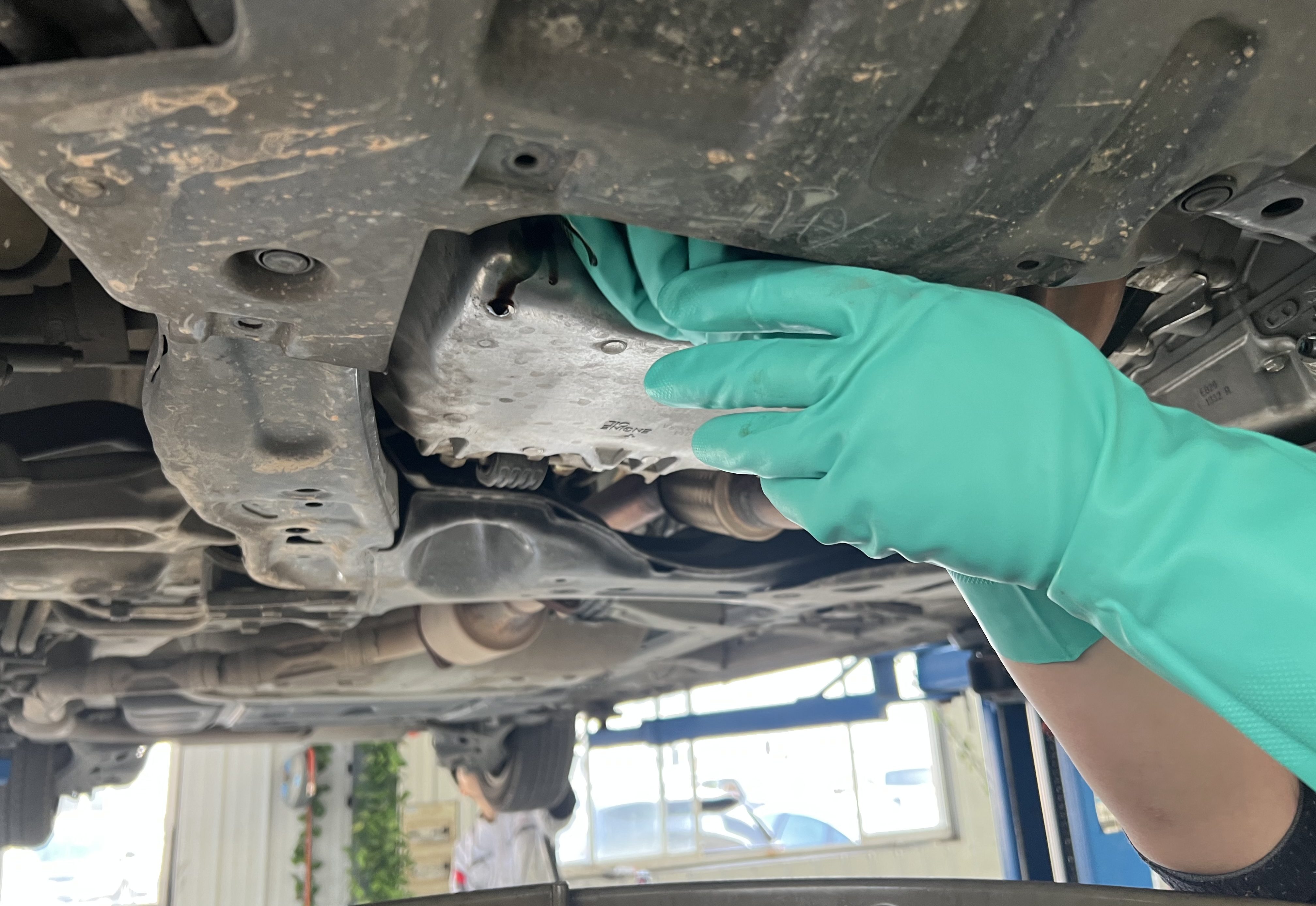
Nitrile gloves are not suitable for prolonged contact with acetone. However, they can be used for short-term protection in cases such as small acetone splashes, brief cleaning or wiping with acetone, or low-concentration exposure to acetone. Even in these cases, gloves should be replaced promptly after use to avoid unnecessary accidents and complications.
Which gloves are more suitable for contact with acetone?
For those who need to handle acetone frequently and for long periods, we generally recommend using professional chemical-resistant solvent gloves. Here are two gloves we recommend:
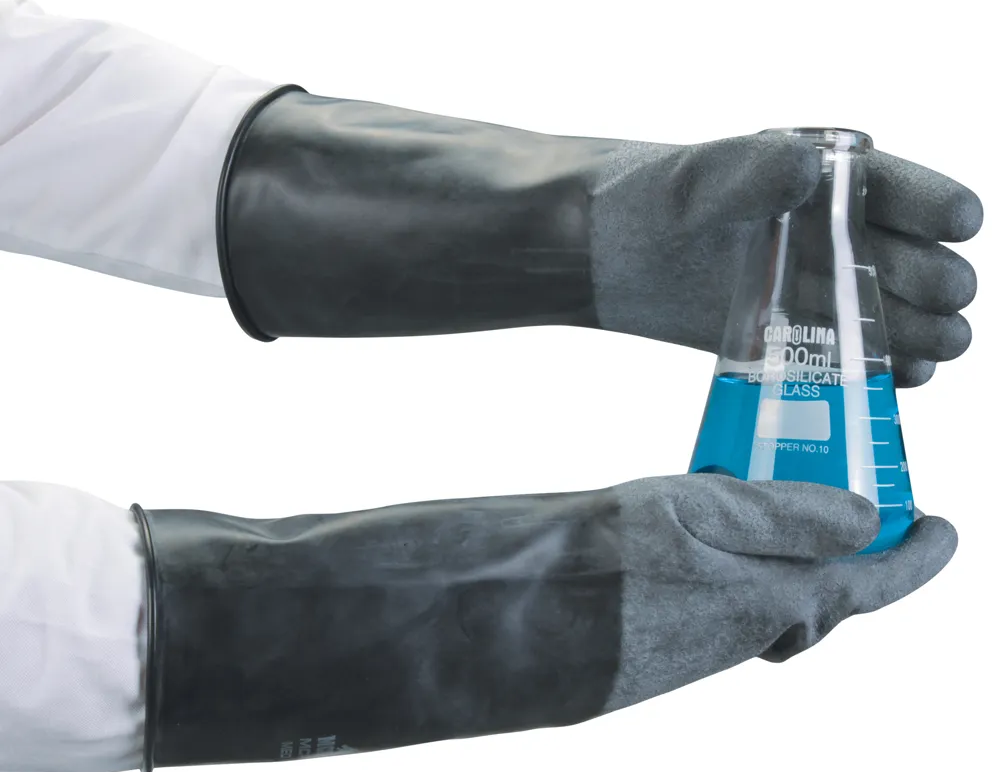
Butyl rubber gloves
Butyl rubber gloves have excellent resistance to highly corrosive chemicals and oxidation, along with outstanding flexibility and resistance to organic solvents. They can effectively resist strong acids, strong alkalis, ketone solvents like acetone, and certain harmful gases. They are widely used in chemical laboratories and industrial chemical processing, though they are relatively more costly.

Fluorine rubber gloves
Fluorine rubber gloves are made mainly of fluoropolymer materials. Due to their stable and dense molecular structure, they effectively slow the permeation of chemicals, providing excellent high-temperature resistance, corrosion resistance, and protection against organic solvents, ensuring stable protection in extreme chemical environments.
Conclusion
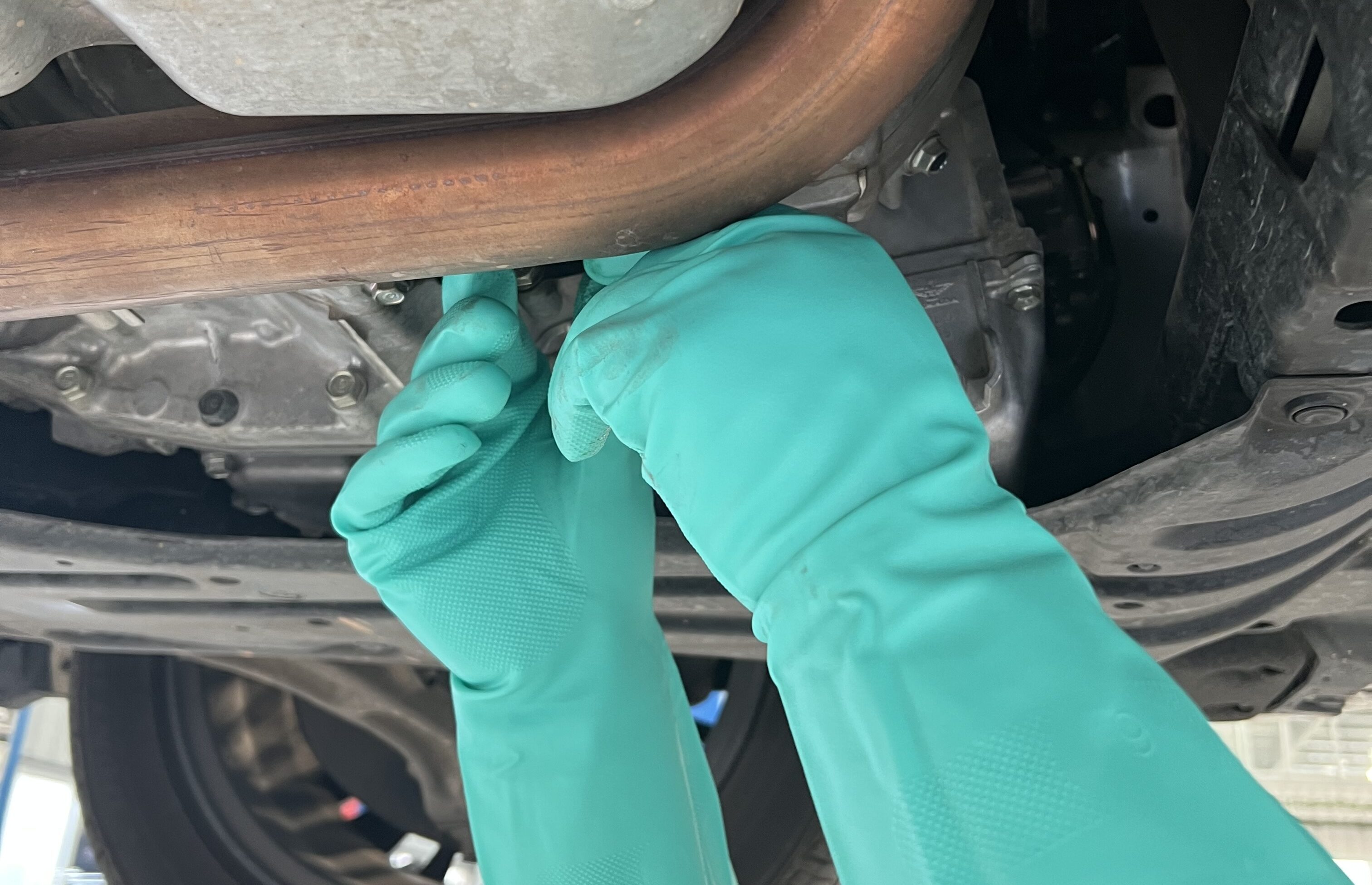
Nitrile gloves have limited resistance to strong organic solvents such as acetone and are not suitable for prolonged contact with it. For frequent or long-term exposure, professional solvent-resistant gloves are recommended to ensure hand safety. If you want to learn more about nitrile gloves or make a purchase, please contact us as soon as possible. Aibon is here to provide full support.
How to Measure Glove Sizes – Source: AIBON
Latex gloves– Source: AIBON
Safety gloves– Source: AIBON
Working gloves– Source: AIBON
FAQ
What is your MOQ for bulk or customized orders?
There is no minimum order quantity for standard products. For customized gloves, the minimum order quantity is calculated based on specific requirements. Please rest assured that we will do our best to help you obtain the best and highest-quality gloves possible.
Do you support personalized customization for wholesale orders?
Yes, we can customize your gloves according to your requirements, including glove color, weight, logo, packaging, and other specific specifications. As long as you provide your needs, we will deliver a satisfactory solution.
What is the lead time for customized glove orders?
The standard production cycle for gloves is 30–60 days. Large-volume orders typically require 60–90 days. However, we can offer expedited production services to meet your timeline. Please note that the above timeframes do not include shipping time. The production cycle starts from the confirmation of your final design.
Is it suitable for long-term cooperation and large-volume purchasing?
Yes. Aibon customizes dedicated solutions for each client to ensure a stable, long-term supply of safety gloves. We also support annual procurement orders, providing reliable, high-quality service throughout the year.
What are the payment terms and methods?
We prefer bank transfer (T/T) to our company bank account. We also accept PayPal, T/T wire transfer, L/C (Letter of Credit), Alibaba, Alipay, WeChat Pay, and payments to personal bank accounts.
 English
 Spanish
 Hindi
 Portuguese
 German
 Russian
 French
 Korean
 Japanese