


No matter the situation, hand protection is indispensable, especially on construction sites where safety is always the top priority. The work environment in the construction industry is complex and hazardous—not only involving high-altitude operations and heavy lifting but also potential contact with sharp tools and harmful substances. Research has shown that more than 20,000 workplace accidents involve workers’ hands and other parts of their arms.
Therefore, wearing protective gloves is essential. Choosing the right construction gloves not only provides necessary protection but also improves work efficiency. Next, we will comprehensively introduce the requirements for construction gloves to help you choose the perfect safety gear for yourself.
Why Do Construction Workers Need to Wear Gloves?
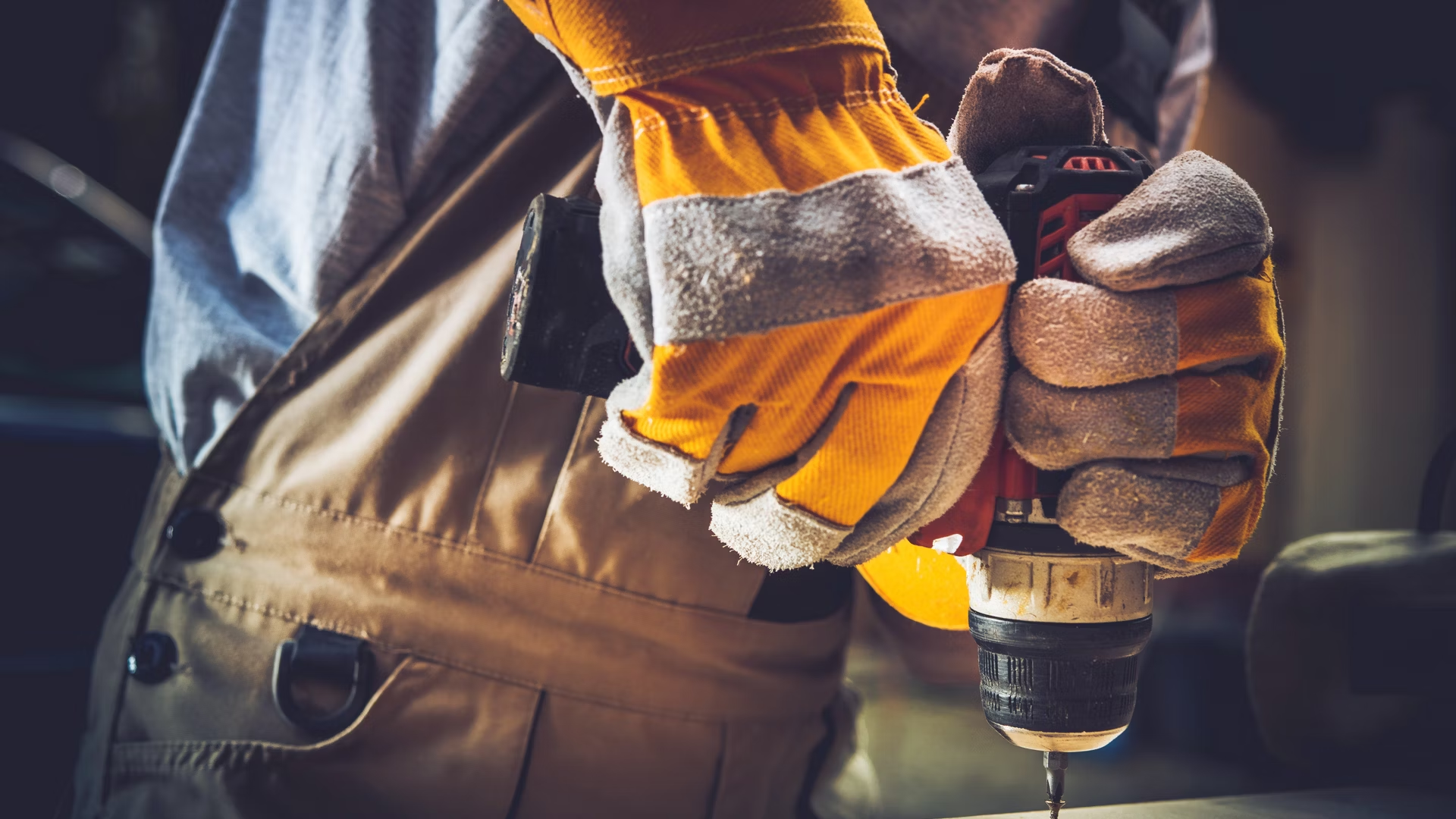
Construction sites are full of sharp tools and materials such as rebar, nails, and broken glass. Workers may also come into contact with chemicals like paints, solvents, and cleaners that can irritate or corrode the skin. In addition, high-temperature operations such as welding, cutting, and burning can cause thermal injuries. Moreover, workers frequently use vibrating tools like drills and saws, and long-term use can lead to poor blood circulation in the hands and even vibration syndrome. Wearing gloves ensures hand safety in these working environments.
Types of Construction Gloves
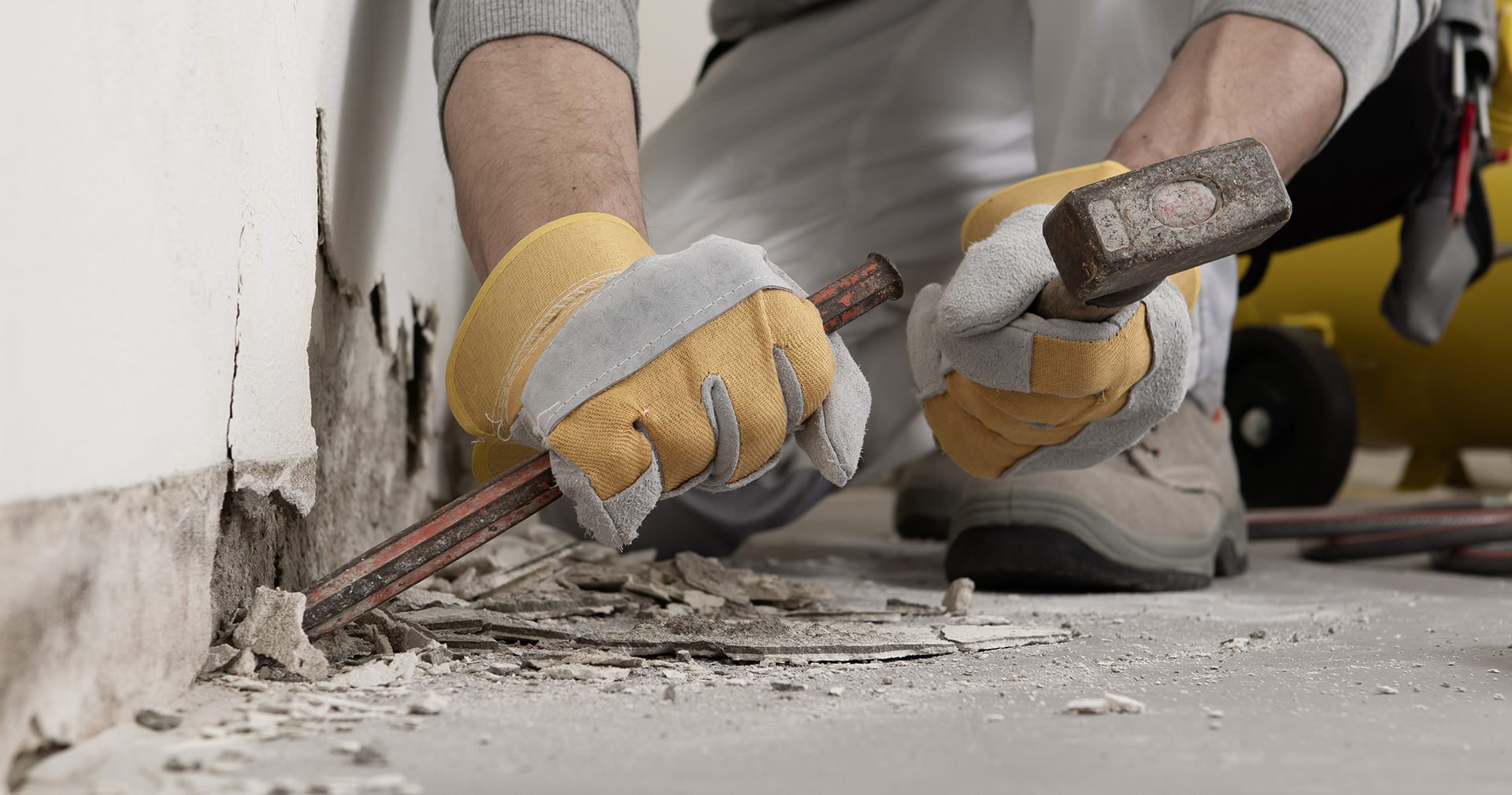
Different construction tasks come with unique challenges. Only by selecting safety gloves that provide the right type of protection can you achieve optimal safety. Each glove type is designed to defend effectively against specific hazards.

Latex-Coated Gloves
Latex-coated gloves are primarily made from high-performance fiber materials such as cotton, polyester, or nylon and then dipped in a layer of latex. While they are not as heat-resistant as some other gloves, they effectively protect against liquids and chemicals. They also provide excellent grip stability, ensuring hand safety for the user.

Nitrile-Coated Gloves
Nitrile-coated gloves are made by knitting high-performance materials such as cotton, polyester, or nylon and then dipping them in nitrile synthetic rubber. These gloves offer excellent resistance to oils, solvents, chemicals, and various liquids, effectively preventing skin contact and reducing the risk of chemical burns or allergies. They can also withstand strong friction and abrasion, providing a certain degree of puncture resistance against sharp objects like rebar, nails, and broken glass. They are highly durable.
Cut-Resistant Gloves
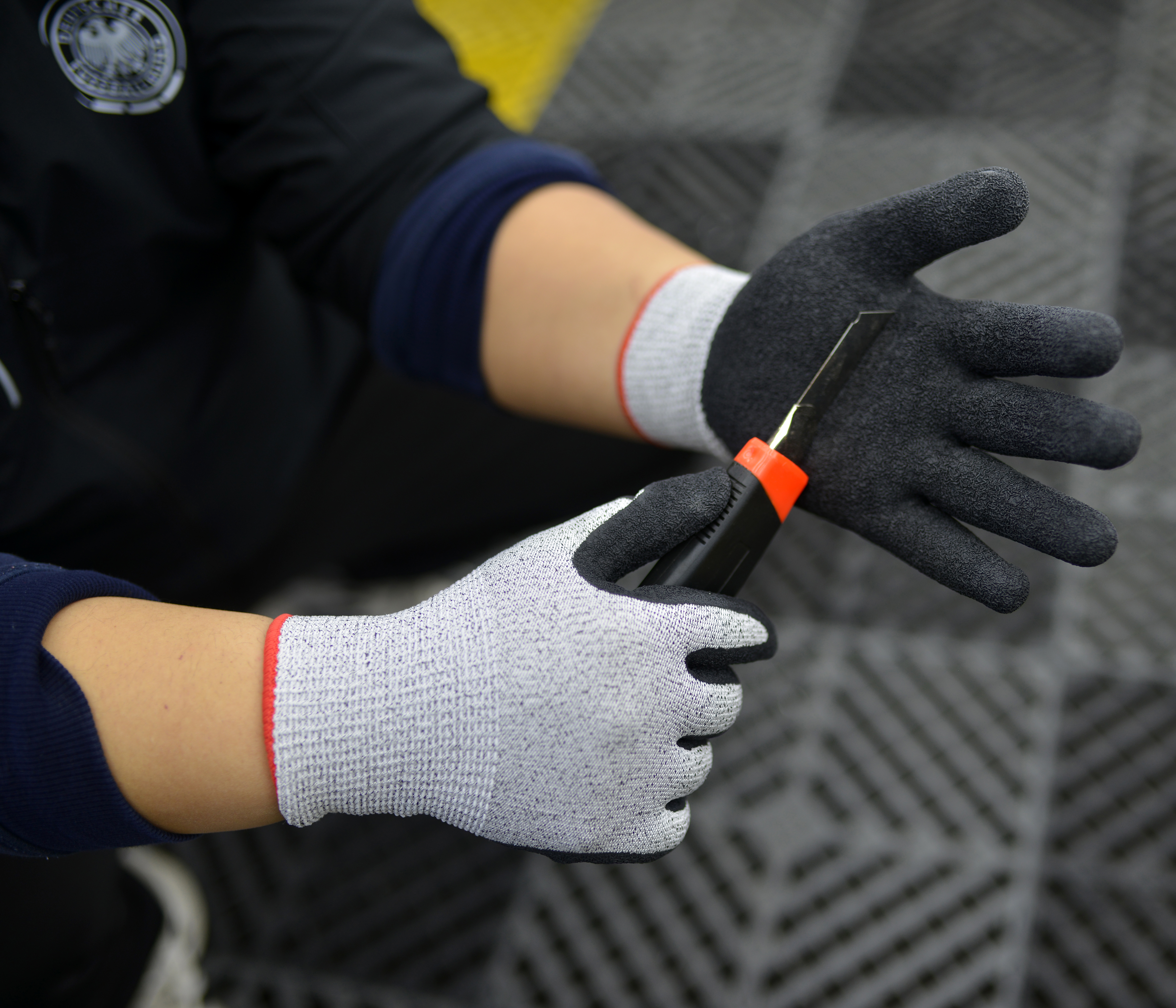
Cut-resistant gloves are specifically designed to protect hands from injuries caused by cutting machines, knives, glass, or metal edges. They are made from various materials, often including Kevlar, HPPE, stainless steel wire, or ultra-high molecular weight polyethylene. These high-performance, high-strength materials provide excellent tensile strength and effectively resist cuts, abrasions, and heat damage. Their lightweight and flexible nature offers workers exceptional comfort during operation.
Factors to Consider When Choosing Gloves
When selecting construction gloves, you cannot rely solely on price or appearance. It is essential to comprehensively evaluate the work environment and task requirements to ensure the gloves meet protective needs. Proper hand protection not only keeps your hands safe but also enhances work efficiency. High-quality gloves reduce injury risks while keeping your hands comfortable. Below are the key factors to consider when choosing protective gloves:
Identify hidden hazards in your work environment. Choose glove materials accordingly. Different tasks require different glove materials, which directly affects durability and safety.
Measure your hand size with a ruler and select gloves that fit snugly. Whenever possible, test glove samples directly to ensure they fit your hands well.
Look for certifications from organizations such as ANSI or ASTM. These certifications ensure that the protective equipment meets the appropriate standards for specific tasks.

Conclusion
In summary, wearing appropriate gloves on construction sites not only ensures your personal safety but also improves your work efficiency. Therefore, choosing high-quality gloves that meet your job requirements is of utmost importance.
If you are interested in construction gloves or wish to purchase them, please contact us promptly. Aibon will provide you with full support and service.
How to Measure Glove Sizes – Source: AIBON
Latex gloves– Source: AIBON
Safety gloves– Source: AIBON
Working gloves– Source: AIBON
 English
 Spanish
 Hindi
 Portuguese
 German
 Russian
 French
 Korean
 Japanese