


Nitrile gloves are primarily made from acrylonitrile and butadiene materials that undergo emulsion polymerization to form nitrile rubber. After adding vulcanizing agents, stabilizers, accelerators, and pigments, the gloves are molded, vulcanized, cleaned, dried, and finally removed from the mold. They are tough, durable, puncture-resistant, and less likely to tear, effectively protecting hands from chemicals such as oils, solvents, acids, and bases. Compared to latex gloves, nitrile gloves do not cause allergic reactions, making them suitable for use in various environments and situations.
However, how long can nitrile gloves provide safe protection? What factors affect their wearing time? Below, we will comprehensively answer these questions.
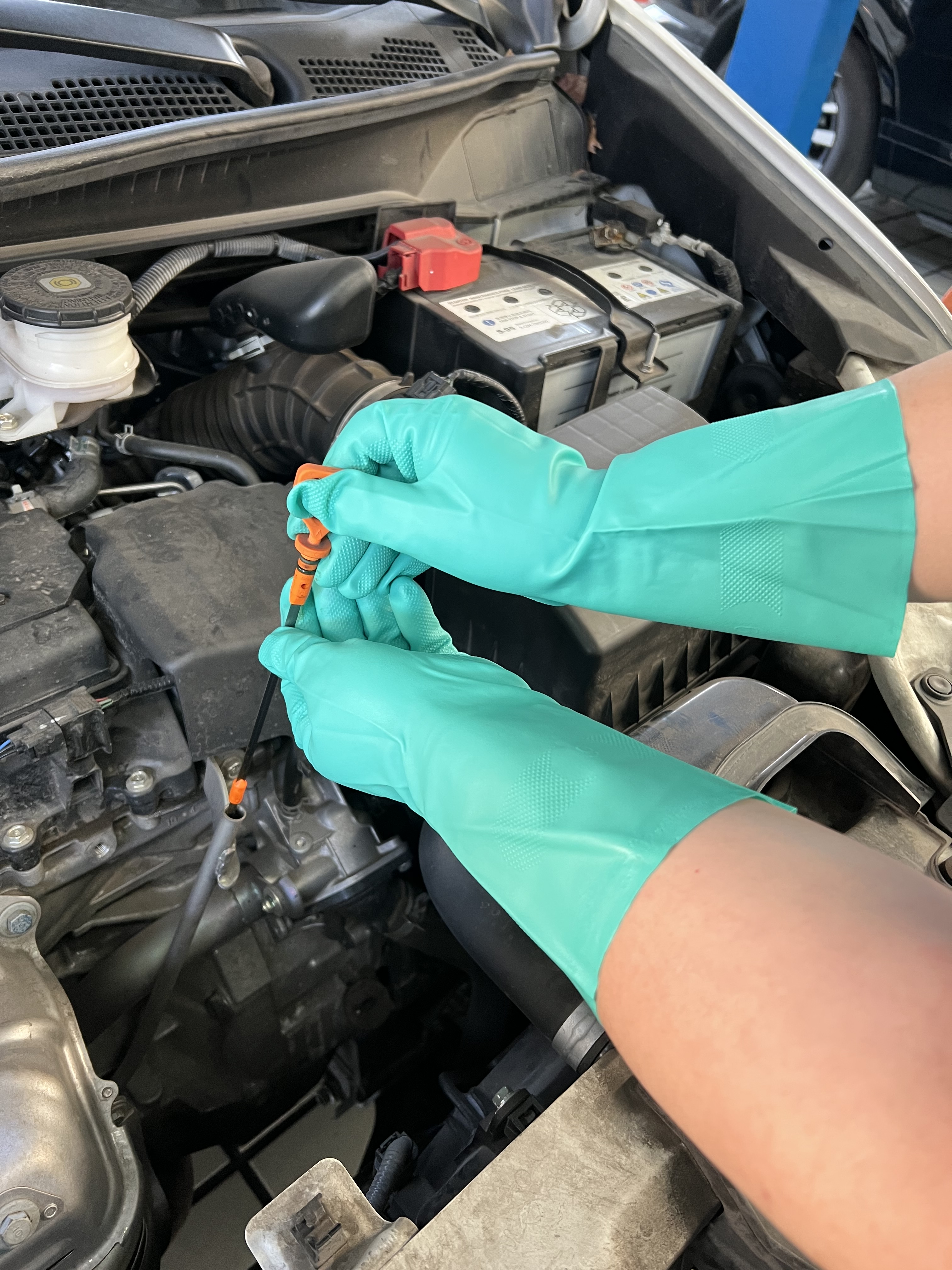
Factors Affecting Nitrile Glove Wear Time
The length of time nitrile gloves can be safely worn depends on various factors, including the environment and the substances being handled. Some specific key factors are especially important, as outlined below:
Intensity of Activity
For frequent high-intensity tasks, gloves wear out faster than normal, and the wearing time will decrease accordingly, leading to increased replacement frequency.
Environment of Use
If the gloves are frequently used in high-temperature, corrosive, or chemical environments, their lifespan will vary. In such cases, compared to use in normal or light-duty environments, the gloves will have a shorter lifespan, and the wearing time will decrease.
Glove Thickness
The thickness of the gloves depends on the work requirements. Generally, the thicker the glove, the more durable the nitrile gloves are, allowing for longer wear time. The opposite is also true.
Glove Quality
As the saying goes, “you get what you pay for.” Gloves on the market vary in quality. High-quality gloves typically offer superior durability, allowing for longer wear times without causing discomfort during extended use.
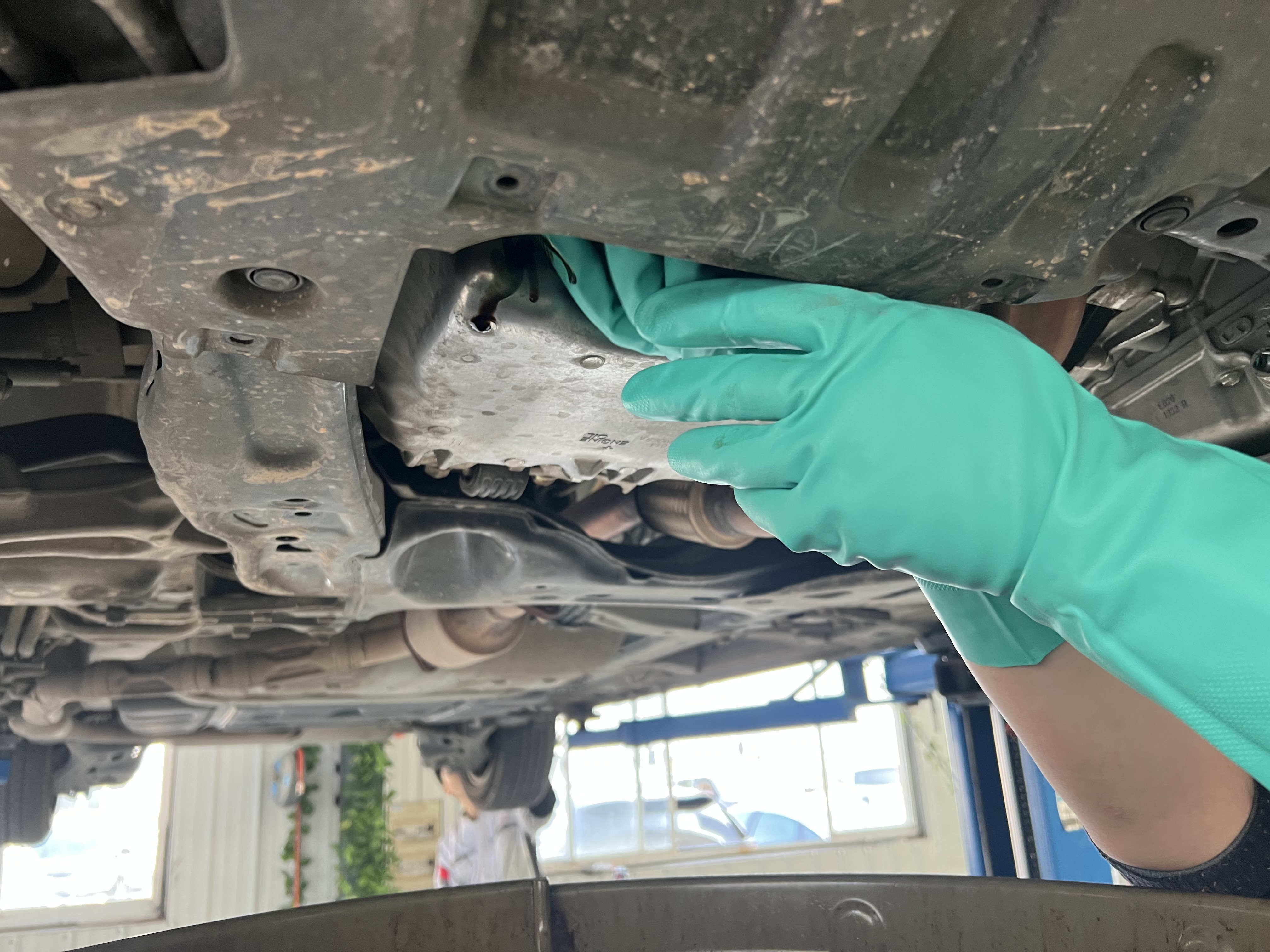
Recommended Nitrile Glove Wear Time
The recommended wearing time of nitrile gloves varies depending on the usage environment and scenario.
Medical and Healthcare Industry
To prevent the spread of viruses and bacteria, and to avoid cross-contamination when handling blood, bodily fluids, or other pathogens, it is recommended that nitrile gloves be worn for no longer than one hour. Prolonged use may lead to small punctures or excessive sweating, resulting in unnecessary skin issues.
Food Processing
To minimize food contamination, odor transfer, and cross-contamination, as well as to prevent skin issues such as whitening or wrinkling from long-term use, nitrile gloves should ideally not be worn for more than four hours at a time. If the gloves become damaged or contaminated, they should be replaced immediately.
Chemical Laboratories
To avoid chemical corrosion or harmful exposure, nitrile gloves should be worn based on the chemicals being handled and the intensity of the work. Continuous use beyond one hour is not recommended. While nitrile gloves resist most chemicals, some organic solvents can still gradually permeate the material. Specific situations should be assessed individually, so avoid blindly choosing to wear them for extended periods.
Daily Activities
For household cleaning, light gardening, or low-risk tasks, the wear time of nitrile gloves can be longer compared to high-risk activities. If discomfort occurs during use, the gloves should be replaced promptly.
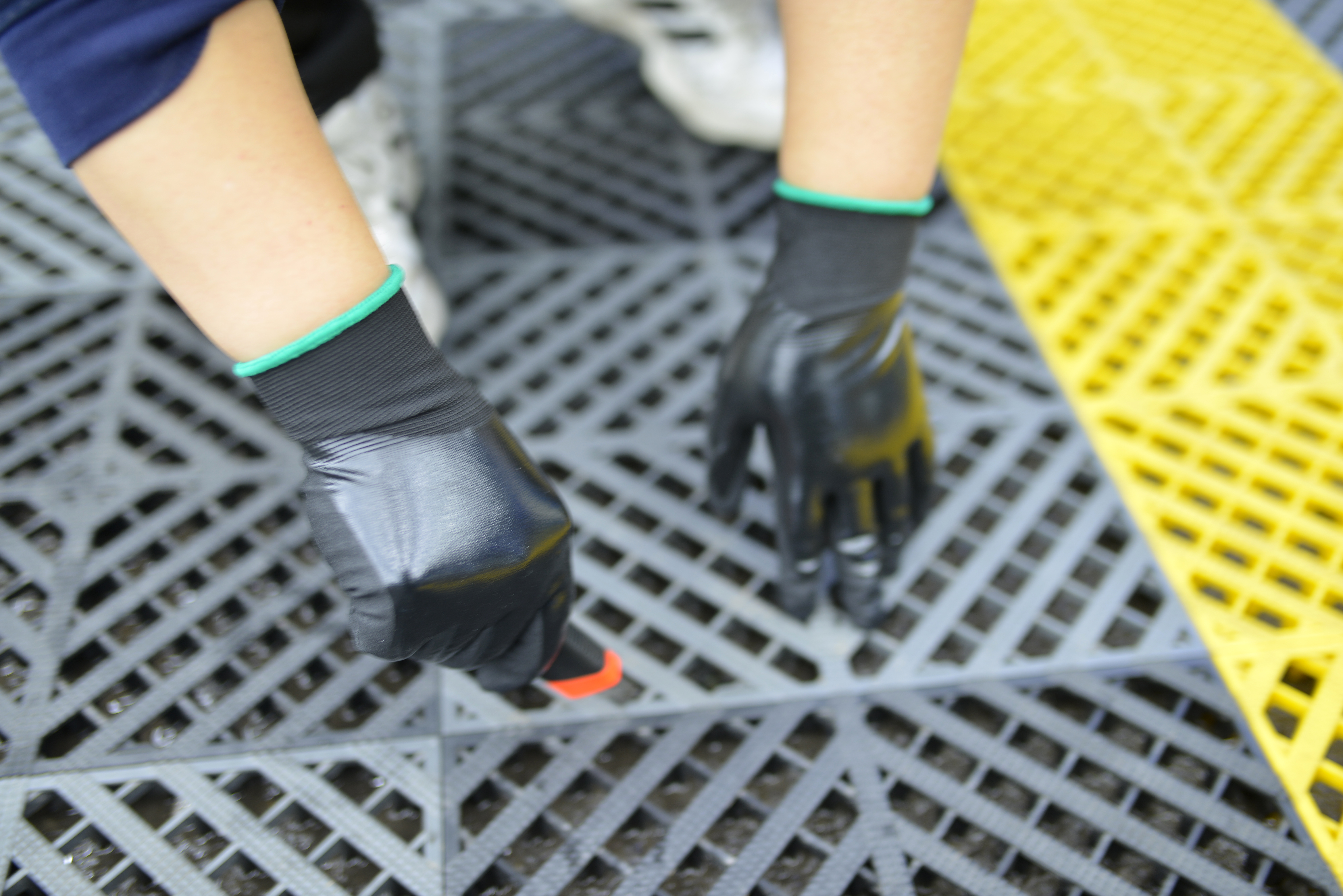
When to Replace Nitrile Gloves
Regardless of how long gloves have been worn, they should be replaced immediately if the following conditions occur:
Visible Damage: Any tears, punctures, or thinning, even minor, require attention.
Exposure to Contaminants: After contact with blood, chemicals, or other hazardous substances.
Sticky Feel: When the material begins to age, or when sweat accumulates inside, even if slight permeation occurs.
Looseness: Nitrile rubber may no longer fit snugly after prolonged stretching.
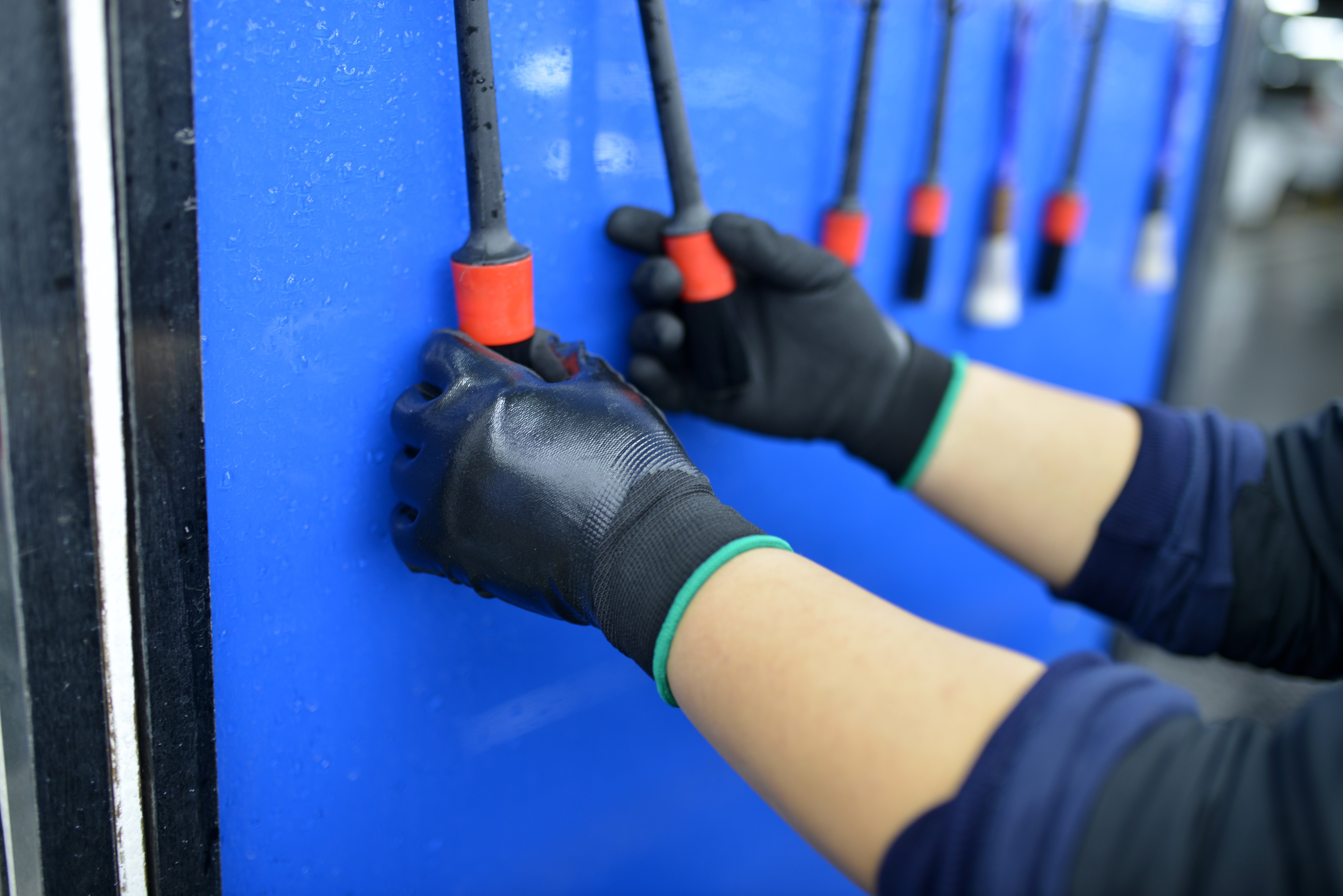
Potential Risks of Extended Wear
Prolonged use of nitrile gloves poses certain safety risks, including:
Skin Health Issues: Prolonged exposure to sweat can lead to dermatitis, eczema, infections, or bacterial growth. Additionally, long wear can dry out the skin and cause itching.
Cross-Contamination: Reusing the same gloves on different surfaces or with different people can spread bacteria, making them effective carriers for pathogens, viruses, and chemicals.
Protection Failure: Prolonged wear increases the risk of glove damage or microscopic holes, potentially exposing skin to contaminants without your knowledge.

Conclusion
Proper use and wearing of nitrile gloves ensure optimal protection for your hands, allowing them to rest and avoid injury. Keep gloves clean, and replace them immediately if damaged. Remember, gloves are not suitable for all-day wear; replacement depends on the environment and task. This not only enhances work efficiency but also provides the best protection for your hands.
If you are interested in nitrile gloves or would like to learn more, please contact us, and we will be happy to assist you!
Let me know if you need any more translations or adjustments!
How to Measure Glove Sizes – Source: AIBON
Latex gloves– Source: AIBON
Safety gloves– Source: AIBON
Working gloves– Source: AIBON
 English
 Spanish
 Hindi
 Portuguese
 German
 Russian
 French
 Korean
 Japanese