


In modern industries, construction, logistics, food processing, and other work environments, as well as daily life, hand safety is a crucial aspect that should not be overlooked. Cut-resistant gloves, as one of the effective core protective equipment for hand safety, not only significantly reduce injuries caused by sharp objects, cuts, abrasions, and other mechanical hazards. To meet the needs of different work environments, cut-resistant gloves come in various styles. The key differences lie mainly in the coating and lining materials inside the gloves, especially around the fingertips. Below, we will comprehensively analyze two major aspects to help you make a more targeted choice when purchasing and using them.
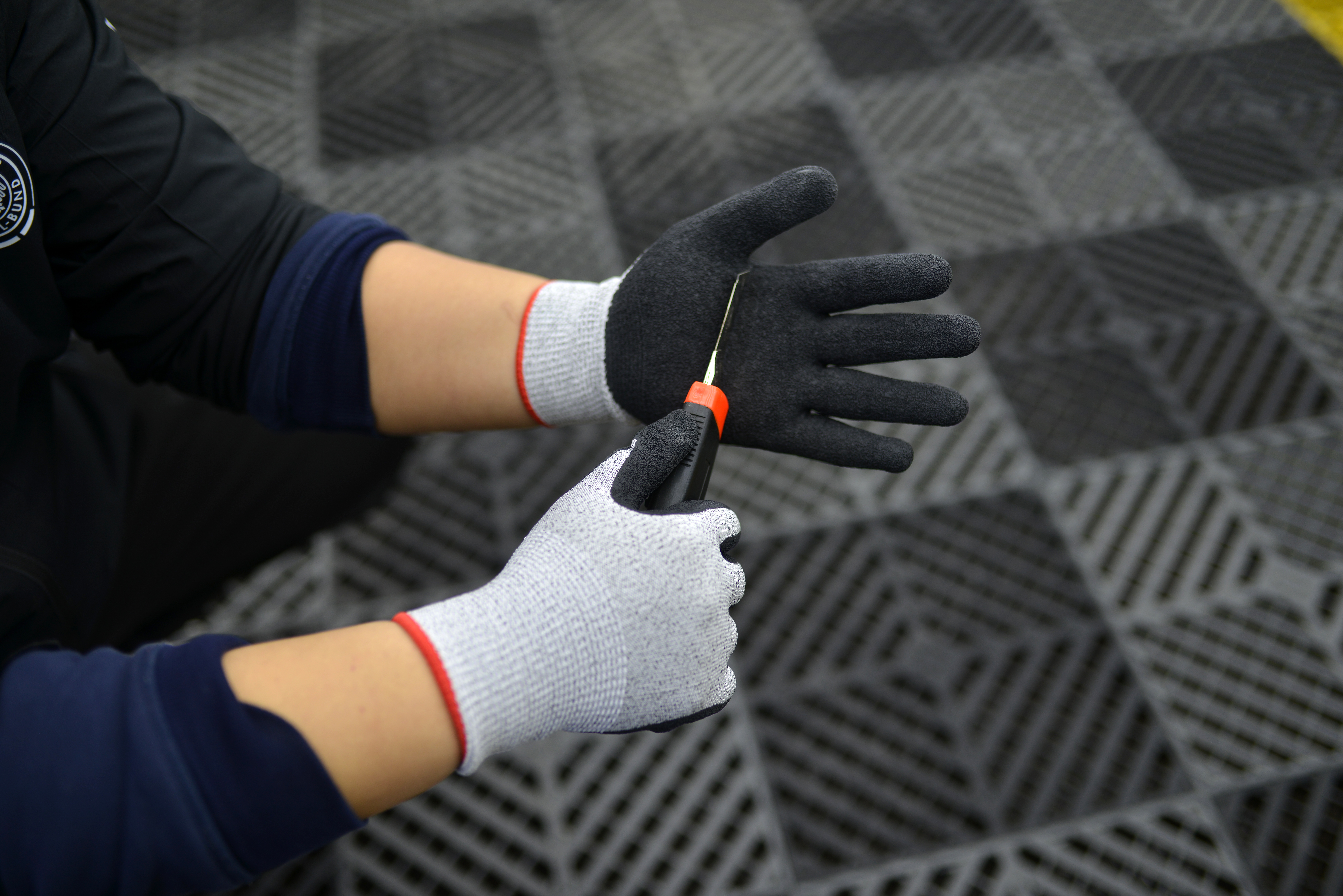
Cut-Resistant Gloves
Cut-resistant gloves are personal protective equipment designed to prevent users from injury due to sharp objects such as knives, metals, or glass shards. However, these gloves are not impervious to cuts; instead, they reduce the risk of cutting injuries by incorporating special materials woven into the glove. As a result, these gloves provide high cut resistance and puncture resistance, establishing a strong barrier between the skin and the wearer to protect hands while ensuring safety during work.
Cut-Resistance Testing Methods
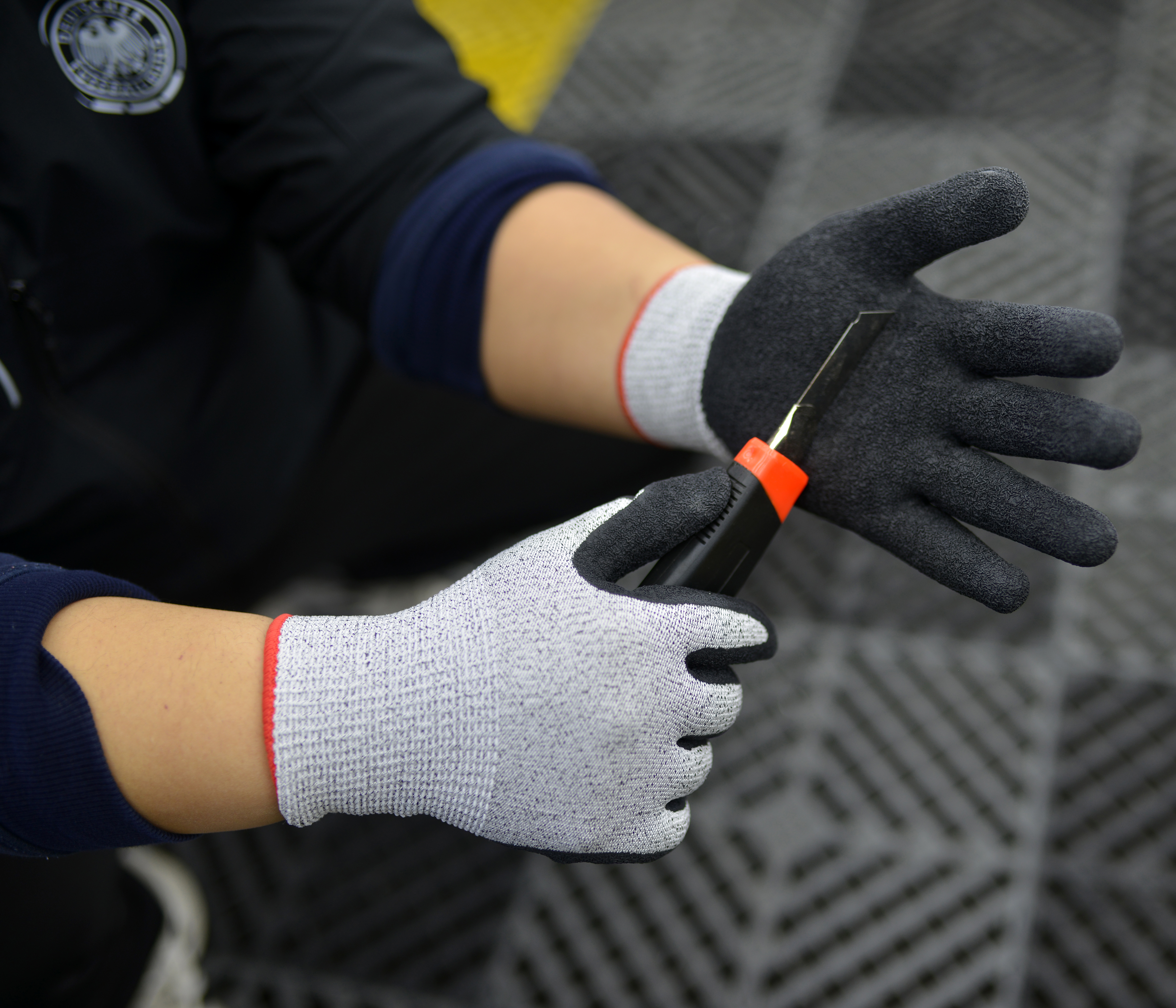
The core indicator of cut-resistant gloves is undoubtedly their cut-resistance performance, which directly determines whether the gloves can effectively protect the hands during tasks. Cut resistance is generally assessed through standardized tests such as those from the American Society for Testing and Materials (ASTM) and European standards (EN). These tests typically involve cutting the surface of the gloves using a round blade under constant pressure or using specialized equipment such as TDM to measure the gloves’ cutting force.
Coating Material Types
Specific work situations require different performance characteristics, which depend largely on the coating material of the cut-resistant gloves. Different coatings offer unique properties, enabling the gloves to be used in various environments and workplaces.
Polyurethane (PU)
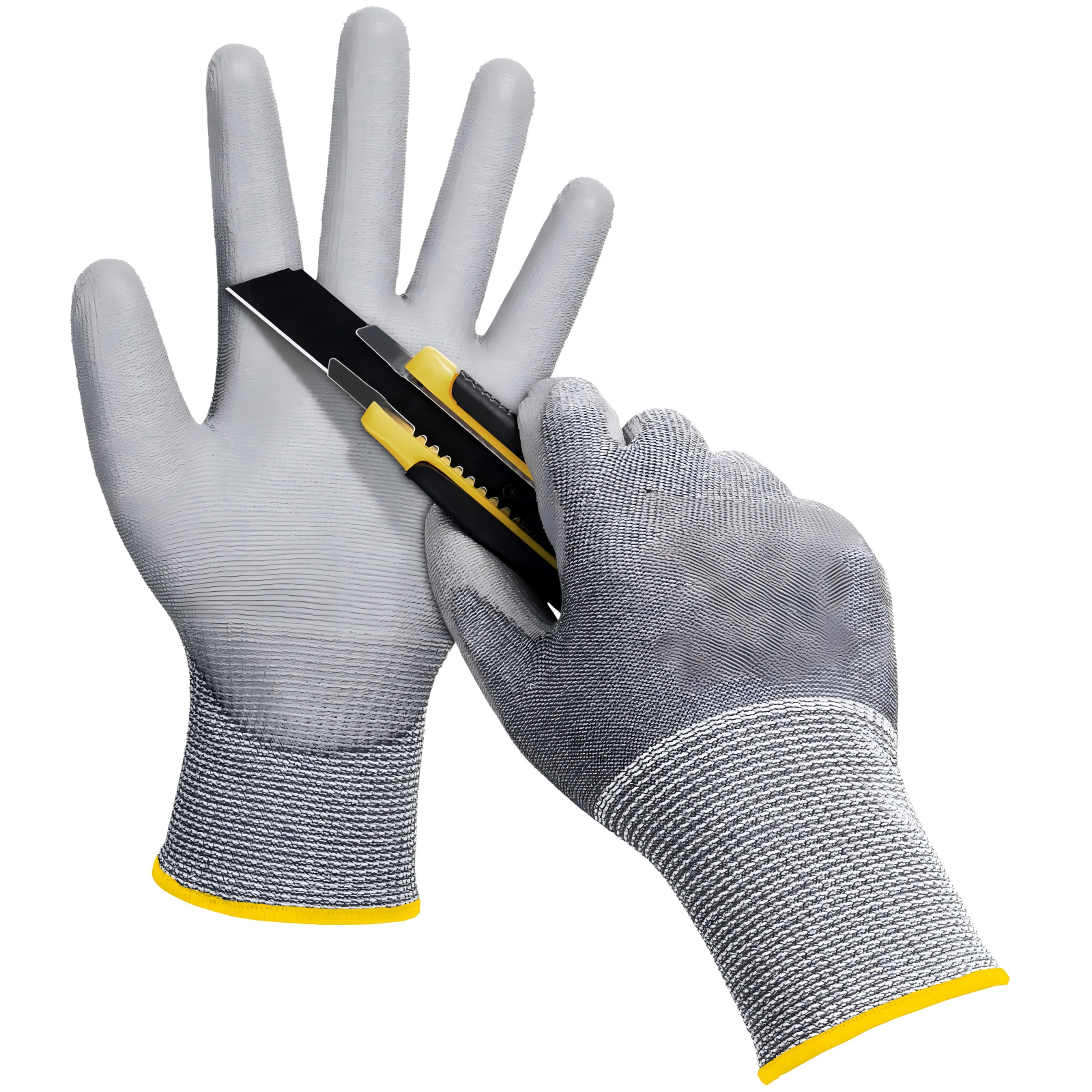
Polyurethane (PU) coating is known for its excellent sensitivity and flexibility. It is extremely lightweight, breathable, and provides a close fit to the hand, offering excellent grip for precise operation, which helps reduce hand fatigue. PU coatings are not resistant to prolonged exposure to grease and chemical solvents, making them suitable for dry or slightly oily environments.
PU-coated gloves are ideal for industries requiring high tactile sensitivity, such as electronics assembly, precision instrument manufacturing, packaging, quality inspection, and more.
 Nitrile
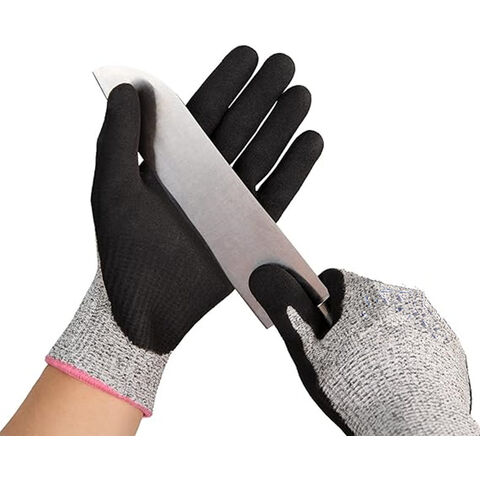 Nitrile
 coating is one of the most popular types of cut-resistant glove coatings. It has excellent oil, solvent, chemical, bacterial, and puncture resistance. Nitrile gloves are highly durable, offer balanced grip, and provide exceptional flexibility. As nitrile contains no latex proteins, it does not cause latex allergies, making it an excellent choice for those allergic to latex.
Nitrile-coated gloves are commonly used in construction, manufacturing, petroleum, chemical industries, equipment parts, woodworking, laboratories, and other environments where harsh chemical environments or contact with sharp objects are present.
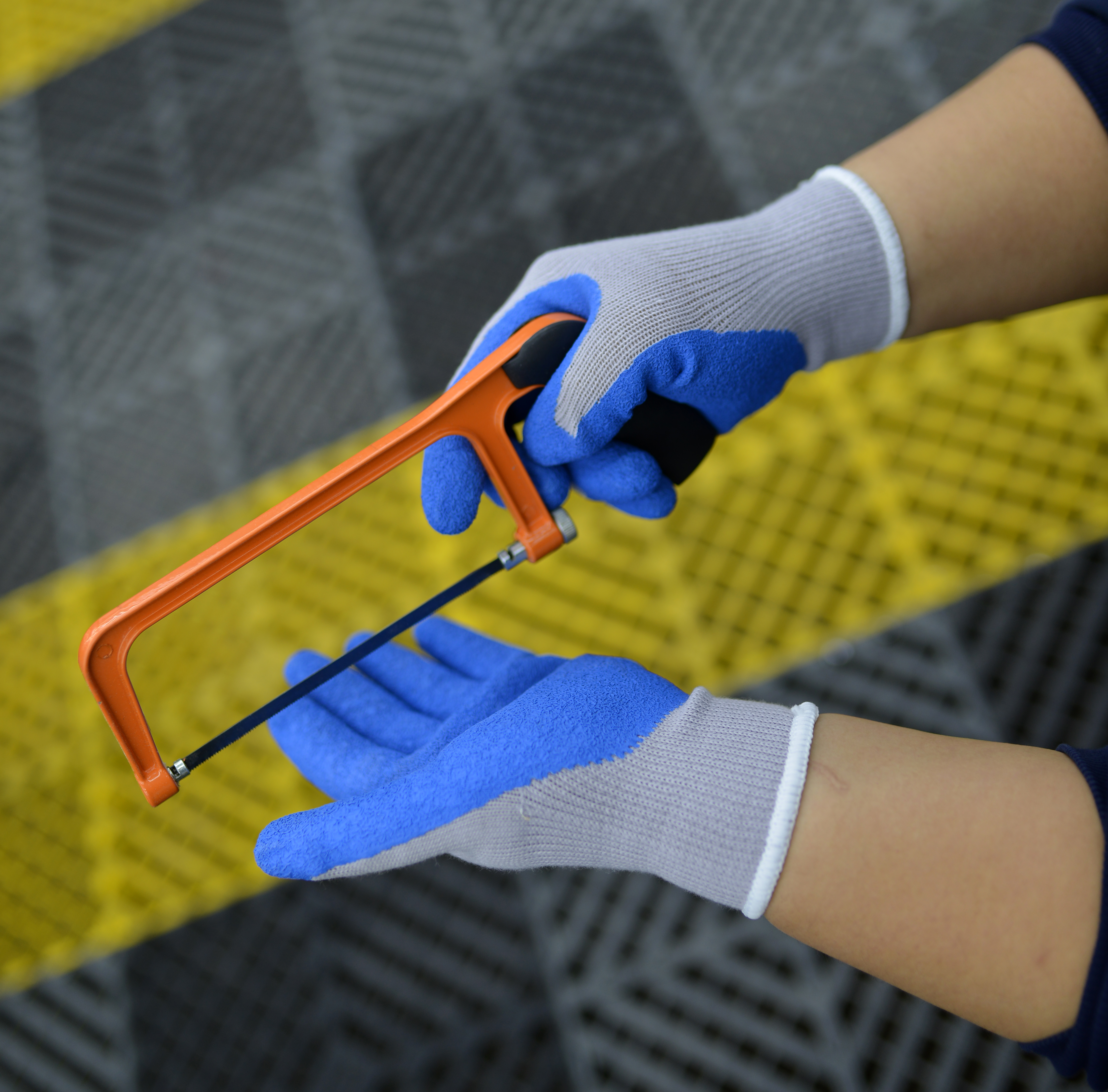
Latex
Latex coating is known for its outstanding grip and elasticity. It performs exceptionally well in wet and oily environments. It is very soft, providing a comfortable fit, and offers excellent abrasion resistance and anti-slip properties. However, latex contains proteins that may cause allergic reactions, so caution is advised.
Latex-coated gloves are mainly used in automotive repair, logistics, fisheries, meat processing, construction, landscaping, and warehousing operations.
Cut-Resistant Liner Types
The liner of the glove is its foundation and inner structure. Not only does it provide additional comfort and protective performance, but it also directly determines the cut-resistance level, comfort, durability, and flexibility. Different liner materials offer varying levels of protection.

Fiberglass
Fiberglass is an inorganic, non-metallic material made from molten glass drawn into fine filaments. Its strength is approximately 2-3 times that of steel, yet it is much lighter. Fiberglass significantly enhances the glove’s cut-resistance performance. It maintains its structure even in high-temperature environments and has excellent heat resistance, flame retardancy, and resistance to water, acids, alkalis, and various chemicals. These gloves are durable, maintain flexibility, and provide effective protection against sharp objects.
Fiberglass liners are particularly suitable for industries such as glass processing, metal manufacturing, construction, automotive assembly, electrical appliance manufacturing, and waste recycling.
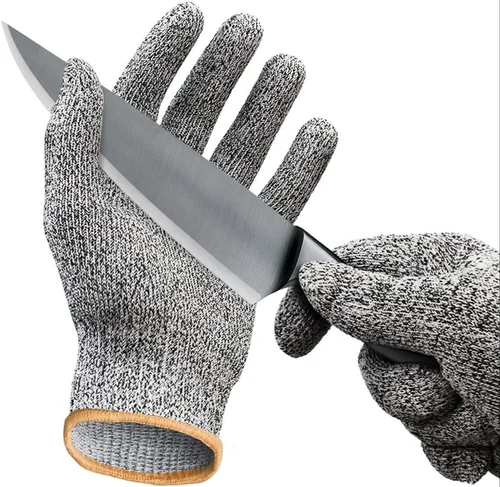
Aramid (Kevlar)
Aramid fibers are high-performance synthetic fibers known for their high strength and thermal stability. They offer excellent tensile strength, heat resistance, and wear resistance, providing superior cut-resistance and puncture resistance. Aramid fibers can be used in high-temperature environments and have excellent heat resistance and thermal stability. Despite being five times stronger than steel, they are lightweight and comfortable to wear, without affecting hand dexterity. They can effectively resist most organic solvents and acids and alkalis.
Aramid liners are widely used in industries such as welding, metal processing, and petroleum processing, where protection against both cutting and high temperatures is required.

Nylon
Nylon liners are a synthetic fiber that offers excellent cut-resistance, flexibility, and comfort. It is lightweight, abrasion-resistant, and provides a close fit to the hand, allowing for dexterous operation. Nylon liners can be worn for long periods, are low-cost, and are easily dyed and customizable, making them widely used in glove linings.
Nylon liners are commonly used in industries such as electronics assembly, logistics packaging, light industrial assembly, and automotive manufacturing, where both dexterity and protection are needed.
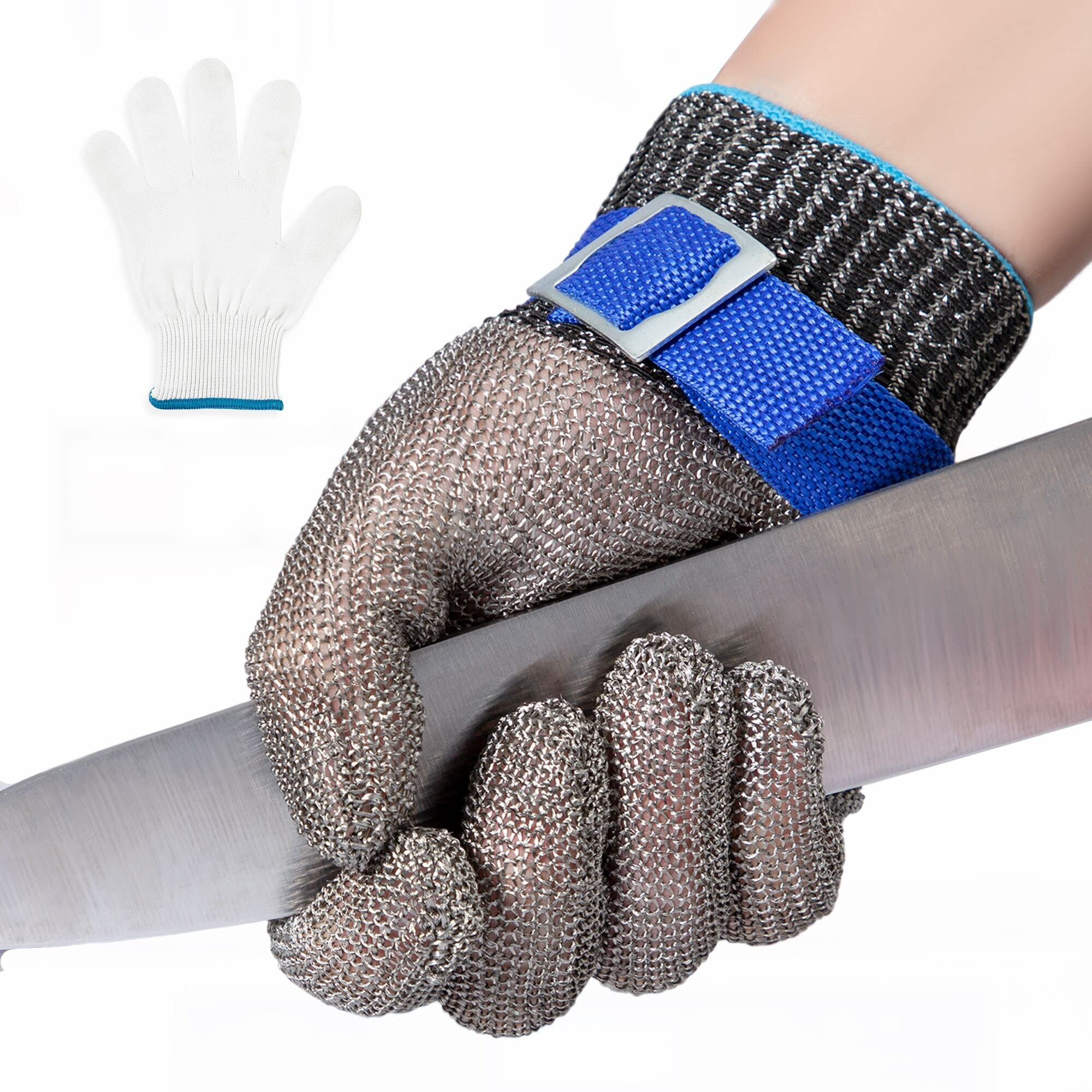
Stainless Steel
Stainless steel fiber is a long, fine metal fiber made from stainless steel, offering exceptional cut and puncture resistance. It provides the highest level of cut-resistance and is highly abrasion-resistant. It can also resist damage from chemical exposure and can be used in high-temperature environments. Stainless steel liners flexibly cover the hand, offering both protection and dexterity while guarding against severe cutting risks.
Stainless steel liners are ideal for industries with extreme cutting risks, such as food processing, meat processing, metalworking, machinery manufacturing, and tool making.
Conclusion
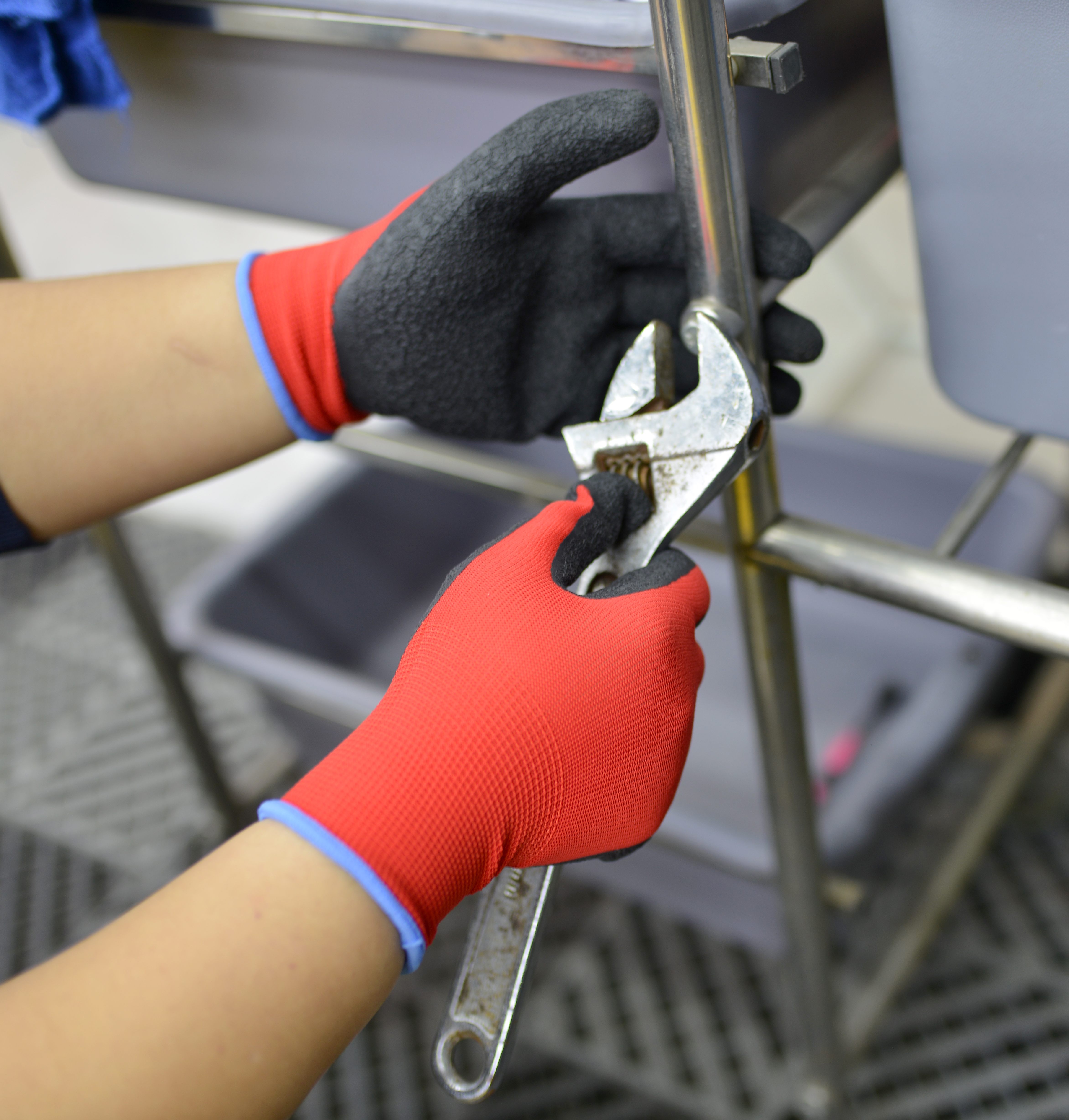
Understanding the different types of coatings can help you choose the most suitable cut-resistant gloves for your specific needs. Each coating has its unique functions and advantages, making it suitable for different scenarios. By considering key factors, you can select the best gloves to ensure hand safety.
If you are interested in cut-resistant gloves or wish to make a purchase, please contact us. Aibon will be happy to answer all your questions!
How to Measure Glove Sizes – Source: AIBON
Latex gloves– Source: AIBON
Safety gloves– Source: AIBON
Working gloves– Source: AIBON
 English
 Spanish
 Hindi
 Portuguese
 German
 Russian
 French
 Korean
 Japanese