


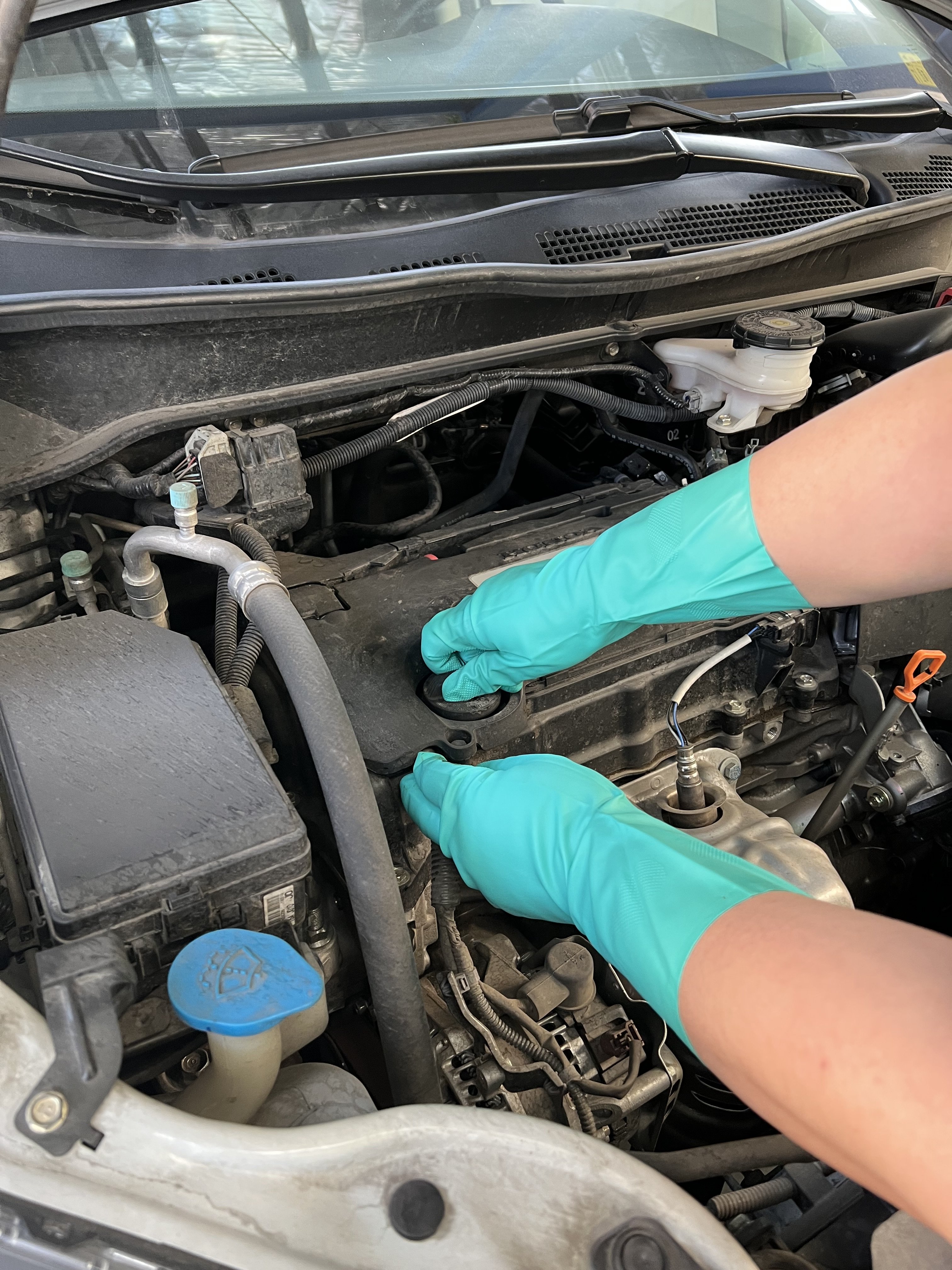
What Are Nitrile Gloves?
Nitrile gloves are mainly made by polymerizing acrylonitrile and butadiene through emulsion polymerization to produce nitrile rubber, then adding vulcanizing agents, stabilizers, accelerators, pigments, and other additives. After processes such as hand mold forming, vulcanization, cleaning, drying, and final demolding, the finished gloves are produced.
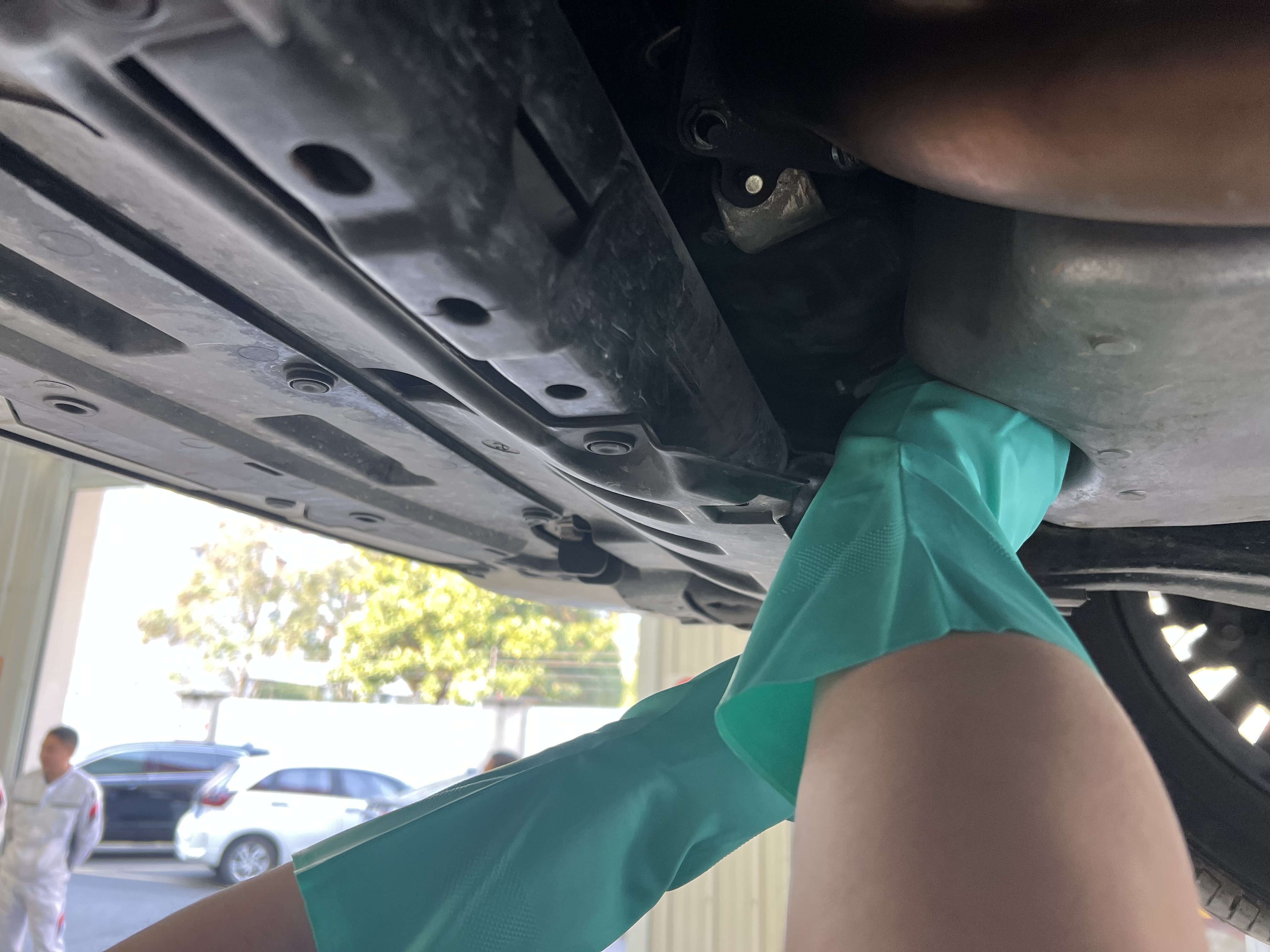
Strongly Corrosive Special Chemicals
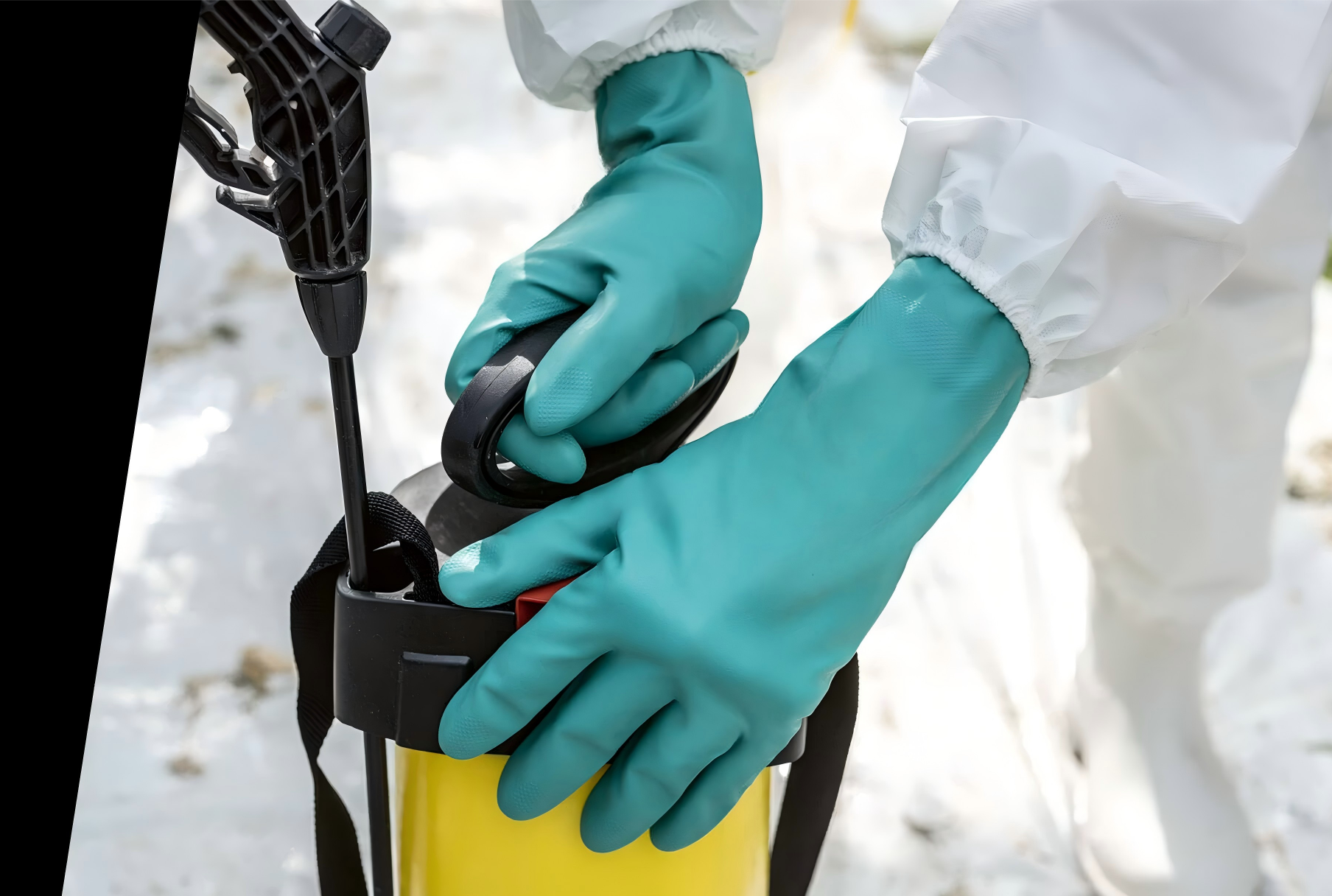
Nitrile gloves are capable of resisting oils such as gasoline, diesel, ethanol, and isopropyl alcohol, as well as some organic solvents and corrosive chemicals like acids and alkalis. However, they should not come into contact with high-concentration substances such as acetone, aromatic hydrocarbons, strong oxidizing agents, and certain organic solvents, in order to avoid swelling, aging, cracking, permeation, and other hazards that may compromise hand safety and cause injury.
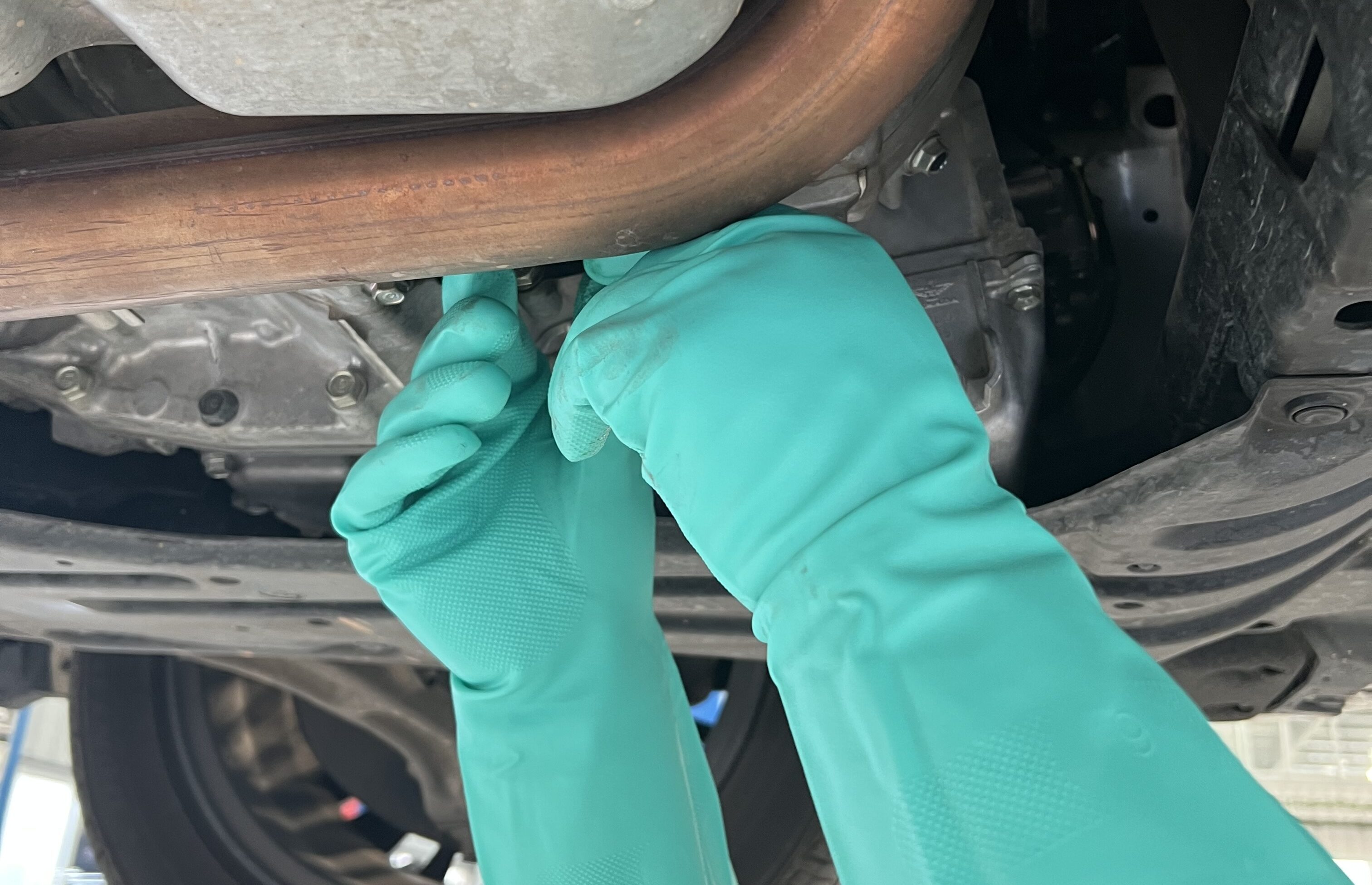
High-Temperature Environments
Due to the material properties of nitrile gloves, they are not suitable for long-term use in high-temperature environments such as metal processing, welding operations, or oven handling. Exposure to such conditions may cause the gloves to soften, melt, or even rupture rapidly, creating serious risks. If gloves are required in high-temperature environments, it is recommended to choose gloves specifically designed for heat insulation or high-temperature resistance.
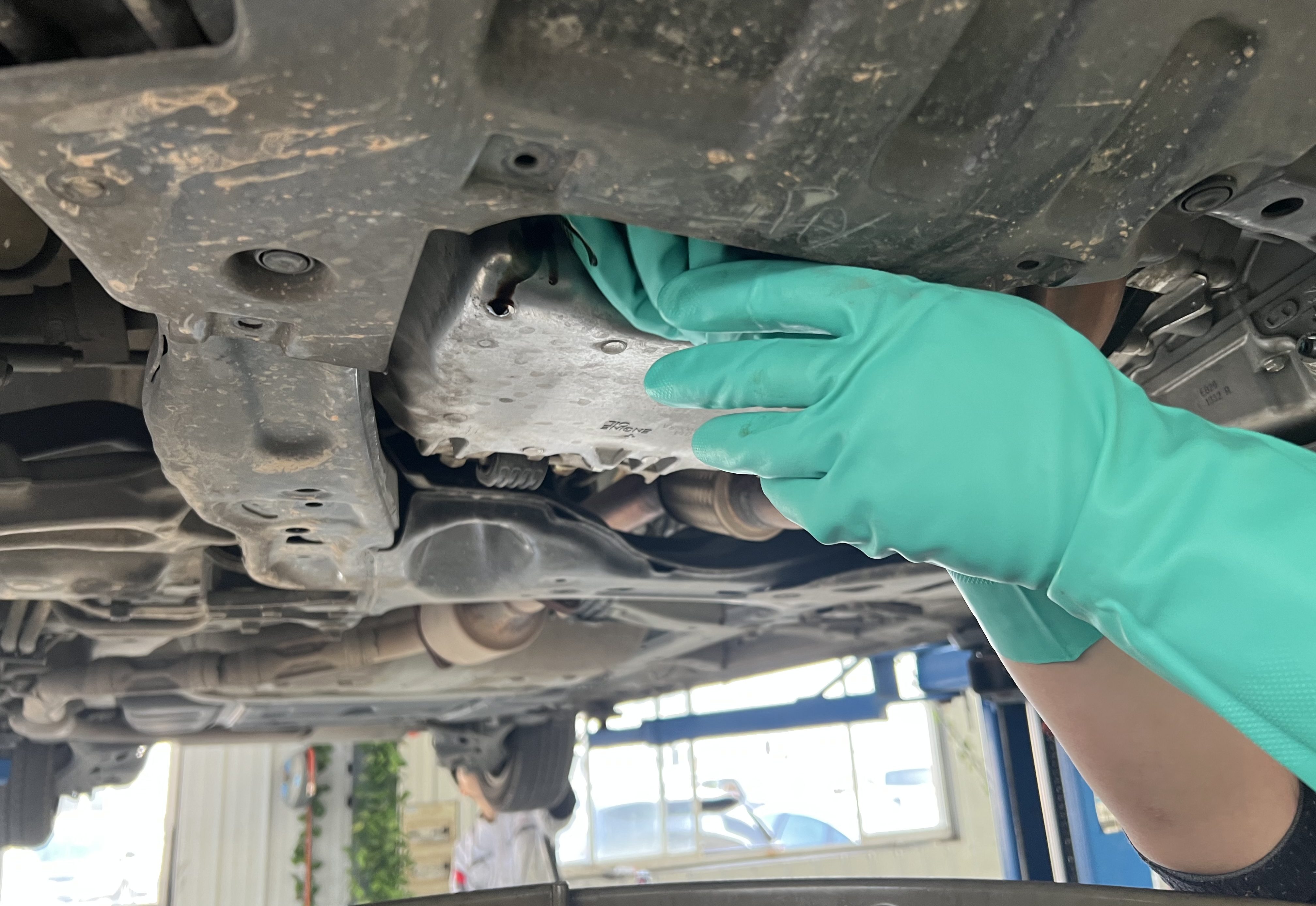
When Handling Sharp Objects
Although nitrile gloves have excellent puncture resistance, they do not provide superior cut resistance. If you need to handle sharp objects such as metal edges, glass, knives, or cutting machines, it is recommended to choose professional cut-resistant gloves to avoid unnecessary accidents.
Heavy-Duty Work
Although nitrile gloves offer excellent performance and durability, they may not always be the best choice for jobs requiring a higher level of protection. You should evaluate the hidden risks in your work and surrounding environment to determine and select the most suitable gloves for your needs.
Sensitivity to Nitrile Material
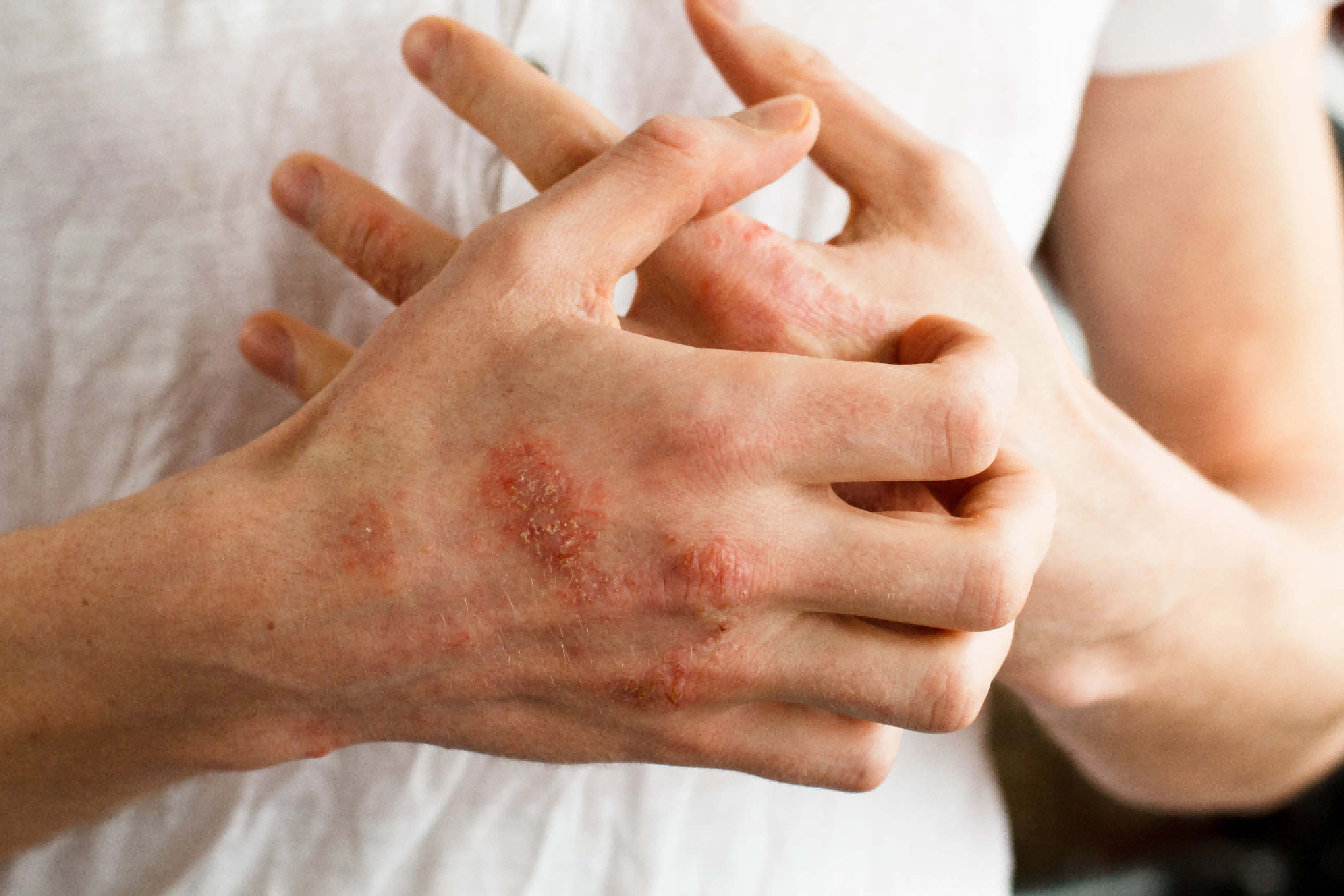
Although nitrile gloves do not contain natural latex proteins and therefore do not cause latex allergies, a small number of people may still experience irritation reactions to the nitrile material itself or to the chemical residues and additives used during glove production. Long-term use may lead to redness, itching, dryness, cracking, or stinging of the hands. In severe cases, it may even cause rashes, hives, and other forms of contact dermatitis, which can damage the skin barrier and affect normal work.
When Nitrile Gloves Are Damaged
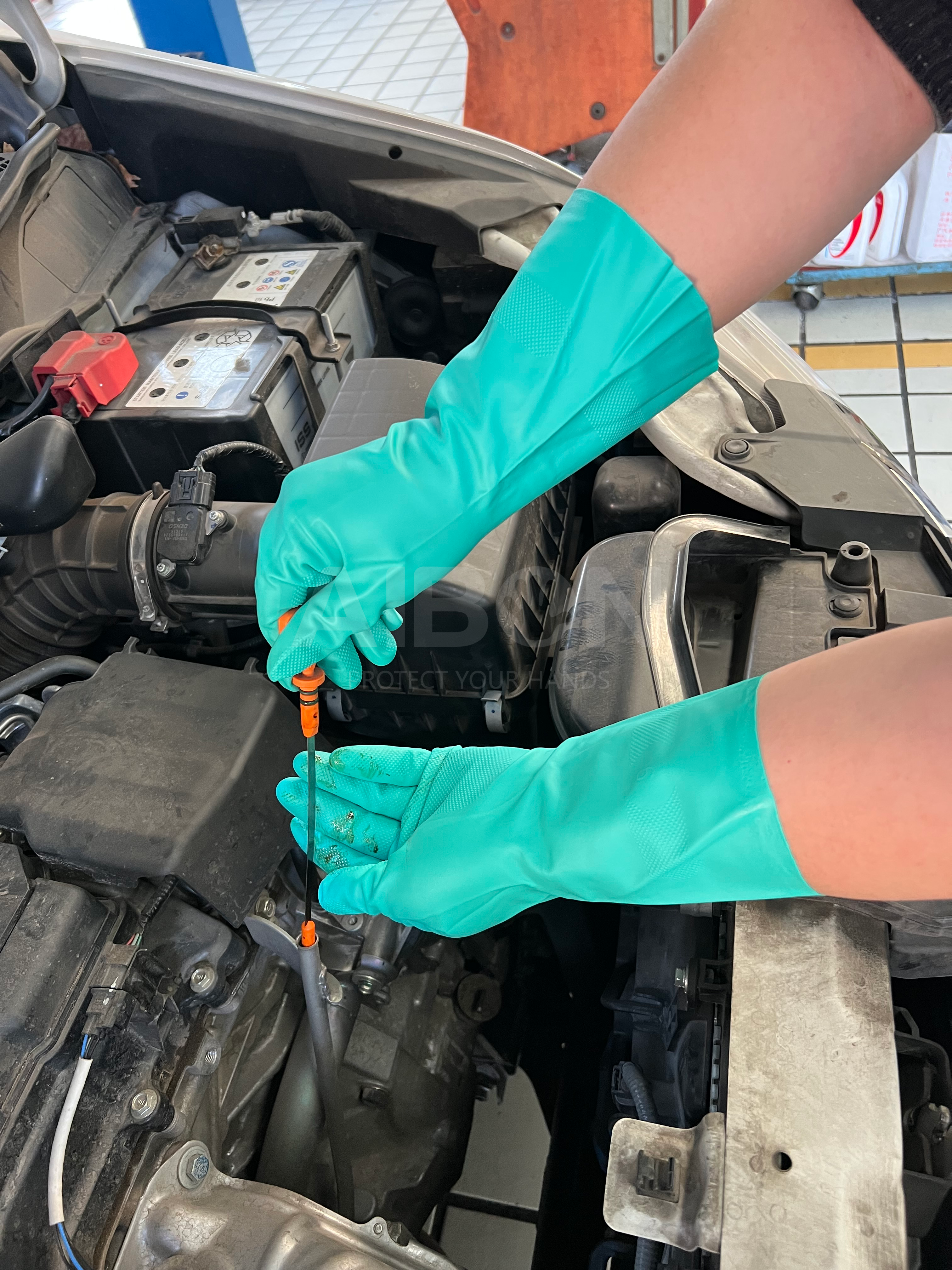
If you notice problems such as holes, cracks, thinning, tears, discoloration, or pinholes in your nitrile gloves, it is recommended to stop using them immediately and replace them promptly to ensure the safety of your hands.
Conclusion
As one of the most important products in personal protective equipment, nitrile gloves offer excellent overall performance. However, they are not “universal gloves.” In particular, they are not recommended for continued use in high-temperature environments, strongly corrosive chemical environments, situations involving sharp tools, or when the gloves have already been damaged.
Ensuring that your gloves are used in the correct scenarios and selecting the most suitable gloves for the appropriate environment is what we at Aibon are committed to doing. Choosing the right gloves is far more important than simply choosing “better” or “more expensive” gloves. Therefore, if you do not know how to select the right nitrile gloves for your needs or if you would like to purchase nitrile gloves, please contact us as soon as possible. We will provide you with full support and assistance throughout the entire process.
How to Measure Glove Sizes – Source: AIBON
Latex gloves– Source: AIBON
Safety gloves– Source: AIBON
Working gloves– Source: AIBON
FAQ
Can I see the gloves before production begins?
Don’t worry, we will produce pre-production samples so you can clearly see the appearance of the gloves. Production will only begin once you are 100% satisfied.
How can I check the current status of my order?
After placing an order for customized gloves, you will be assigned a dedicated customer service representative who can assist you. You can contact them at any time to inquire about the production progress.
What are the payment terms and methods?
Our standard payment terms require a deposit upfront, with the balance paid before shipment.We prefer bank transfer (T/T) to our company bank account. We also accept PayPal, T/T wire transfer, L/C (Letter of Credit), Alibaba, Alipay, WeChat Pay, and payments to personal bank accounts.
What is the lead time for custom gloves?
After receiving your order, we aim to complete production within 30 to 45 days. Large-volume orders may require 60 to 90 days. We can arrange flexibly—if you require an expedited order, please discuss the details with our team.
Please note: Our production lead time does not include shipping time and starts from the confirmation of your design artwork.
 English
 Spanish
 Hindi
 Portuguese
 German
 Russian
 French
 Korean
 Japanese